


Solution Hub Groups Pages Market Events Blogs Funding Offers Jobs Courses Movies Games Merits
 Terms and Conditions
 Legal & Business Law Agreement
 Child Safety & Policy
 App Installation Guide
 User Guide Page
 Investors & Partnership agreement
 Flowisetech ambassador policy
 About Us
 Flowisetech Earning Guide
 Terms of Use
 Privacy Policy
 Help
Help
 FAQs
FAQs
 Community Guidelines
 Our Purpose
 Withdrawal Terms
 Verification Terms
 Community Policy
How to Build a Strong Foundation for Your Future
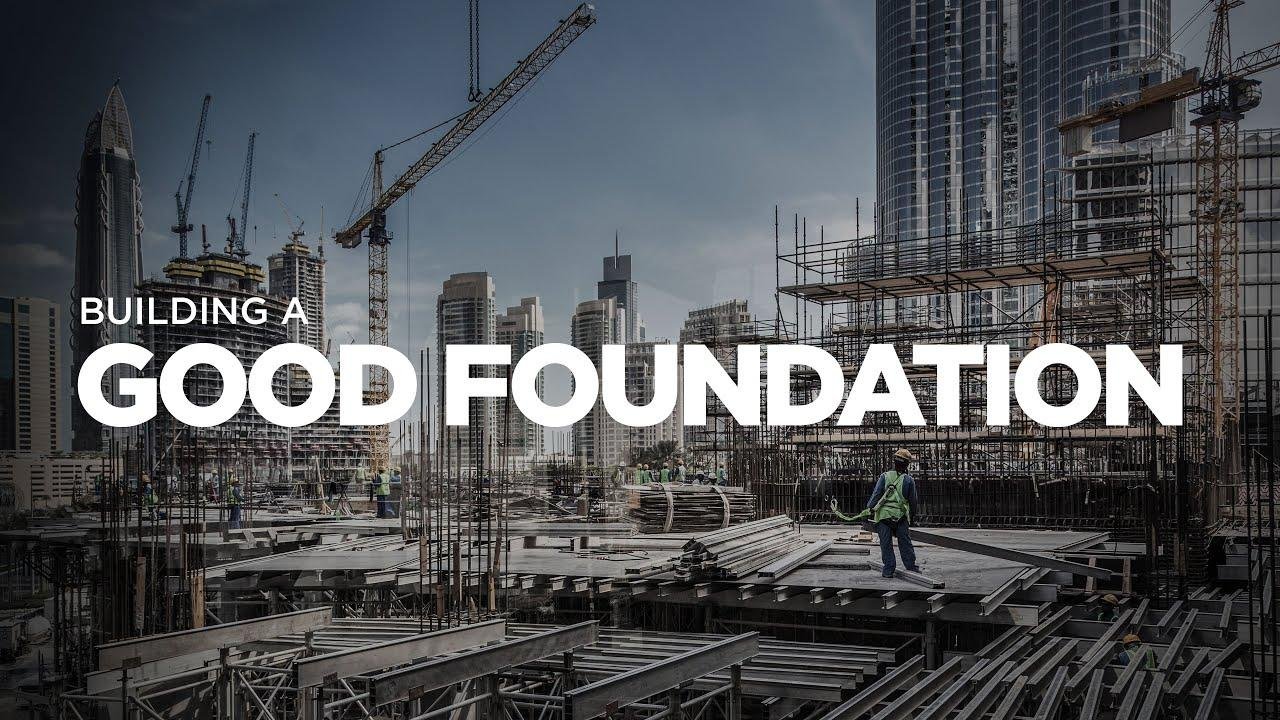
Building a strong foundation for your future is essential for creating a life of stability, growth, and lasting success. While dreaming big is important, dreams alone won’t create the life you envision. To thrive in a dynamic world, you need a solid base — a framework of habits, mindset, skills, and resources that supports every long-term goal.
This guide breaks down how to build that foundation, step by step, from self-awareness to financial literacy, health, relationships, and disciplined action. By the end, you’ll understand the pillars that make a resilient, future-ready life possible.
Understanding the Importance of a Strong Foundation
A strong foundation acts as the base for everything you do. Just as a skyscraper needs a solid footing to withstand storms and time, your life requires structure and stability to support growth. Without this base, even impressive achievements can crumble under pressure.
Key benefits of a strong foundation include:
-
Resilience in the face of challenges — ability to adapt and recover from setbacks.
-
Compound growth — small, consistent actions accumulate over time to produce extraordinary results.
-
Stress reduction — clear direction and preparation minimize uncertainty and fear.
-
Alignment with long-term goals — your daily actions support the life you want to create.
Cultivating Self-Awareness for a Solid Base
Self-awareness is the cornerstone of building a strong foundation. It allows you to understand your current position, your strengths, your weaknesses, and the habits that shape your life.
Identifying Strengths
Your strengths are the tools that will help you build your future. Identify what you excel at — problem-solving, leadership, creativity, empathy, analytical thinking — and look for ways to leverage them daily.
Recognizing Weaknesses
Acknowledging weaknesses isn’t about self-criticism; it’s about clarity. Understanding where you struggle allows you to build systems and habits to compensate, improve, or transform those areas over time.
Clarifying Values and Purpose
A strong foundation aligns with your values. Define what truly matters — integrity, freedom, growth, contribution, family — and ensure your decisions and actions reflect these priorities. When your life is value-driven, stability and satisfaction naturally follow.
Financial Security: The Cornerstone of Long-Term Stability
Financial stability is a critical pillar of a strong foundation. Money management creates options, reduces stress, and ensures your dreams aren’t compromised by financial insecurity.
Budgeting and Expense Management
Tracking your income and expenses is the first step. Create a realistic budget, identify areas for savings, and reduce unnecessary spending. Awareness of financial flows allows better planning for growth.
Building an Emergency Fund
Life is unpredictable. An emergency fund covering 3–6 months of living expenses protects you from sudden crises like job loss, medical emergencies, or unexpected major expenses.
Saving and Investing
Beyond budgeting, investing ensures long-term growth. Options include retirement accounts, index funds, real estate, or skill-based investments like education and certifications. Focus on compounding growth and avoid instant gratification.
Avoiding Lifestyle Inflation
As income rises, many people increase spending proportionally. Resist this. Maintain disciplined spending, prioritize savings, and allocate excess income toward investments and growth rather than indulgence.
Lifelong Learning and Skill Development
Knowledge and skills are crucial components of your foundation. They increase your value, adaptability, and opportunities.
Formal Education
Degrees, certifications, and professional courses provide credibility and essential knowledge. While formal education is valuable, it must be supplemented with practical skills for real-world success.
Practical Skills
Communication, problem-solving, critical thinking, leadership, and adaptability are skills that transfer across industries and life situations. Cultivate them consistently.
Daily Learning Habits
Even 10–20 minutes a day dedicated to reading, listening to podcasts, practicing new skills, or journaling compounds into deep expertise over months and years.
Learning to Learn
Adaptability depends on the ability to learn continuously. Embrace curiosity, remain open to new ideas, and commit to skill growth in areas aligned with your goals.
Health and Well-Being: The Non-Negotiable Pillar
Physical, mental, and emotional health enable every other part of your foundation. Without health, consistency, focus, and resilience suffer.
Physical Fitness
Exercise regularly to improve energy, mood, and longevity. Even daily walks or light workouts build discipline and support cognitive function.
Nutrition
Balanced nutrition fuels your body and mind. Prioritize whole foods, hydrate consistently, and maintain a diet that supports energy and focus.
Rest and Recovery
Adequate sleep and rest periods enhance productivity, cognitive function, and emotional balance. Treat sleep as a non-negotiable investment in your foundation.
Mental and Emotional Health
Stress management, mindfulness, journaling, and therapy cultivate clarity, emotional resilience, and decision-making capacity. Emotional well-being is critical for sustaining long-term growth.
Building Strong Relationships
Supportive, growth-oriented relationships form an essential component of your future foundation.
Family and Friends
Maintain close relationships with those who provide support, encouragement, and honest feedback. Strong personal connections reduce stress and enhance emotional stability.
Professional Networks
Mentors, colleagues, and peers offer guidance, collaboration, and opportunity. Cultivate meaningful professional relationships for long-term growth.
Community Engagement
Participation in communities fosters shared learning, networking, and social skills. Shared values in a community reinforce your growth mindset and habits.
Healthy Boundaries
Protect your energy by limiting exposure to toxic relationships or negative influences. Your social environment shapes habits, mindset, and emotional resilience.
Discipline and Consistency: The Daily Mechanics
Discipline and consistent action turn intentions into reality.
Daily Habits
Habits automate success. Morning routines, evening reflection, and habit stacking ensure your daily actions consistently move you toward long-term goals.
Time Management
Prioritize high-impact tasks using tools like the 80/20 principle or task batching. Efficient time management maximizes results and reduces wasted energy.
Delayed Gratification
Resist instant rewards in favor of long-term growth. Discipline and patience ensure lasting benefits rather than temporary pleasure.
Accountability
Track your progress, measure results, and adjust strategies. Accountability ensures momentum and alignment with your goals.
Strategic Planning
Strategic planning ensures that your foundation supports sustainable growth.
SMART Goals
Set goals that are Specific, Measurable, Achievable, Relevant, and Time-bound. SMART goals provide clarity, focus, and actionable direction.
Short-, Mid-, and Long-Term Planning
Break down ambitions into achievable phases. Short-term habits, mid-term projects, and long-term milestones build a roadmap toward success.
Contingency Planning
Life is unpredictable. Backup plans, financial buffers, and skill diversification ensure adaptability and minimize risk.
Regular Review
Periodic assessment of progress allows adjustments, refinements, and realignment with evolving goals and circumstances.
Mindset: The Invisible Pillar
Mindset underpins every other pillar of a strong foundation.
Growth Mindset
Believe that abilities, intelligence, and skills can improve through effort and learning. Growth mindset fosters resilience, curiosity, and persistence.
Embracing Failure
Treat failures as feedback, not finality. Analyze, adjust, and continue. Mistakes provide lessons for smarter future actions.
Patience and Long-Term Thinking
Progress takes time. Cultivate patience to navigate incremental gains, setbacks, and plateaus without losing motivation.
Confidence Through Preparedness
Confidence rooted in preparation and competence sustains performance under pressure. A strong foundation builds confidence naturally.
Avoiding Common Pitfalls
Mistakes often undermine foundations. Avoid:
-
Ignoring finances or health until crises occur.
-
Neglecting emotional and mental well-being.
-
Focusing only on short-term gains.
-
Surrounding yourself with negative influences.
-
Avoiding risks that limit growth.
Proactively addressing these prevents cracks in your foundation.
Taking Action Today
Start small. Consistency beats occasional grand gestures.
-
Reflect on values and strengths.
-
Track finances and create a small budget.
-
Begin one health habit today.
-
Commit to learning for 10–20 minutes daily.
-
Nurture at least one meaningful relationship.
-
Plan your week with at least one action in each pillar.
Every small, deliberate action strengthens your base and compounds over time.
The Long-Term Impact of a Strong Foundation
Years of disciplined, intentional foundation-building yield:
-
Financial independence and security.
-
Health and energy to sustain growth.
-
Deep knowledge, skills, and adaptability.
-
Strong relationships and social support.
-
Resilience in facing life’s challenges.
-
Confidence, purpose, and clarity.
With these elements in place, your life becomes more stable, meaningful, and capable of achieving long-term success.
“Learn how to build a strong foundation for your future with actionable strategies for financial security, personal growth, health, relationships, and mindset for long-term success.”
Conclusion
A strong foundation is the invisible structure supporting every goal, dream, and aspiration. Through self-awareness, financial literacy, continuous learning, health, relationships, discipline, planning, and mindset, you can create a life resilient to challenges and poised for growth.
Start today. Every choice, habit, and step adds strength to the foundation beneath you. Your future self will thank you for the groundwork you lay now.
Categories
- Make Money
- Product Review
- Social Media
- Excel
- Graphics design
- Freelancing/Consulting
- E-commerce and Digital Marketing
- Business
- Self Development
- Tips to Success
- Video Editing
- Photo Editing
- Website Promotion
- YouTube
- Computer
- Phone
- Music
- Spirituality & Faith
- School
- Tech & Digital
- Gaming
- News
- Digital Economy / Technology
- Relationship
- Real Estate
- Creative Arts & Design
- Medical
- Causes
- Networking
Read More
Most people don’t have a money problem—they have a system problem. They earn, spend, and try to save what’s left. Some months it works. Most months it doesn’t. The result is inconsistency, stress, and slow progress. A personal money system changes that. It removes guesswork, reduces pressure, and gives every naira a clear role. Instead of reacting to money, you start...

Have you ever felt incredibly motivated to start something new, only to lose that excitement a few days later? It happens to almost everyone. One day you're excited about learning a new skill, going to the gym, building a business, or pursuing your dream career. You create plans, buy the tools you need, and promise yourself that this time will be different. Then life gets busy. Your energy...

Starting from zero in the online world can feel overwhelming. No experience, no clear direction, and countless “opportunities” that seem too good to be true. But the truth is simple: everyone who earns online today once started as a complete beginner. This guide walks through a realistic journey—from confusion to clarity—and shows how consistent effort and focus can...

Finding fulfillment in your career is not just about earning a paycheck—it’s about aligning your passion with your profession. Too many people spend their lives in jobs that drain their energy, rather than fuel their creativity and purpose. The good news? It’s absolutely possible to build a career around what you love. With the right mindset, strategy, and persistence, you can...

Artificial Intelligence (AI) is no longer a concept reserved for science fiction movies or research laboratories. It has become a part of our everyday lives, quietly transforming the way we communicate, learn, work, shop, travel, and even make decisions. Whether you realize it or not, AI is already shaping your future. As technology continues to evolve at an unprecedented pace, understanding...