


Solution Hub Groups Pages Market Events Blogs Funding Offers Jobs Courses Movies Games Merits
 Terms and Conditions
 Legal & Business Law Agreement
 Child Safety & Policy
 App Installation Guide
 User Guide Page
 Investors & Partnership agreement
 Flowisetech ambassador policy
 About Us
 Flowisetech Earning Guide
 Terms of Use
 Privacy Policy
 Help
Help
 FAQs
FAQs
 Community Guidelines
 Our Purpose
 Withdrawal Terms
 Verification Terms
 Community Policy
The Role of Youth in Nigerian Politics: Are Things Finally Changing?
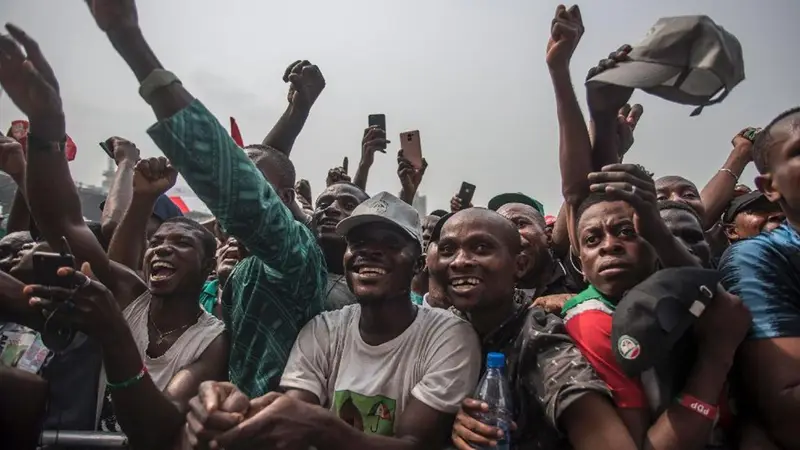
Nigeria, Africa’s most populous country, has long been criticized for the marginalization of its youth in politics. Despite making up over 60% of the population, young Nigerians have historically struggled to secure meaningful representation at both local and national levels. But with the 21st century bringing new movements, digital activism, and unprecedented youth engagement, the political landscape is starting to shift.
This article explores the evolving role of youth in Nigerian politics and whether real change is finally taking place.
Youth Demographics: A Powerful Force
Nigeria’s population is overwhelmingly young. According to the National Bureau of Statistics (NBS), more than 60% of Nigerians are under the age of 30. This demographic should, in theory, wield enormous political influence, especially in elections. Yet for decades, decision-making power has remained concentrated among older political elites.
The Historical Challenges
Several factors have historically limited youth participation in Nigerian politics:
-
Age barriers and electoral laws – While the Constitution allows youth to run for certain offices, the reality of campaigns often favors older, well-funded candidates.
-
Economic constraints – Political campaigns are expensive, and young people often lack access to capital.
-
Political culture – Established political networks and patronage systems make it difficult for young voices to break through.
Signs of Change
Recent years, however, have seen significant developments:
1. Rise of Youth Movements
Movements like #NotTooYoungToRun, which led to the 2018 constitutional amendment reducing age requirements for political offices, have empowered youth to participate actively. Now, individuals as young as 25 can run for the House of Representatives, and 30 for the Senate.
2. Digital Activism
Social media platforms such as Twitter, Instagram, and TikTok have allowed youth to organize, campaign, and hold leaders accountable like never before. Hashtags and online petitions now translate into real-world political pressure.
3. Youth in Office
In recent elections, more young Nigerians have won positions at state and local levels. Though still a minority, their presence signals a gradual shift toward more inclusive governance.
Challenges That Remain
Despite progress, youth in Nigerian politics still face hurdles:
-
Tokenism – Some young politicians are used as symbolic representatives without real influence.
-
Funding gaps – Campaign financing remains a major barrier.
-
Political violence and intimidation – Safety concerns discourage active participation.
How Youth Can Continue Driving Change
To consolidate progress, Nigerian youth must:
-
Engage early – Participate in local governance, councils, and grassroots organizations.
-
Leverage digital tools – Use social media strategically to influence policy and campaigns.
-
Build coalitions – Collaborate across parties, regions, and interest groups for greater impact.
-
Stay informed – Understand policies, budgets, and governance processes to hold leaders accountable.
The Verdict: Is Change Happening?
Yes—but it is gradual. The youth in Nigeria are no longer passive observers; they are active participants, shaping campaigns, influencing elections, and demanding accountability. While the path to full inclusion is still long, the trajectory is positive.
Nigeria’s future political landscape will likely be shaped increasingly by this energetic, informed, and ambitious generation. For the first time, the youth are not just waiting for change—they are creating it.
Categories
- Make Money
- Product Review
- Social Media
- Excel
- Graphics design
- Freelancing/Consulting
- E-commerce and Digital Marketing
- Business
- Self Development
- Tips to Success
- Video Editing
- Photo Editing
- Website Promotion
- YouTube
- Computer
- Phone
- Music
- Spirituality & Faith
- School
- Tech & Digital
- Gaming
- News
- Digital Economy / Technology
- Relationship
- Real Estate
- Creative Arts & Design
- Medical
- Causes
- Networking
Read More
Starting a business is easier today than ever before. With access to digital tools, online marketplaces, artificial intelligence, and global audiences, anyone with determination and a good idea can launch a company. However, building a successful business requires far more than passion or technical expertise. Many entrepreneurs assume that being skilled in their profession automatically...
Sharing content online has become one of the most common activities in today’s digital world. People enjoy watching short videos, learning new things, and sharing entertaining clips with friends and family. Social media platforms like TikTok have made it easy to discover creative videos, but sometimes users want to share those videos outside the app as well. This is where tools designed...

What is Dart? Dart is an open-source, object-oriented, class-based programming language developed by Google in 2011. Its main goal is to provide developers with a language that is both easy to learn and powerful enough to handle complex applications. While Dart can be used for many purposes, it gained massive popularity as the official language for Flutter, Google’s UI toolkit for...

Sure! Let’s break it down carefully and fully, especially if you’re just getting into video editing. I’ll cover: Core features of video editing Important tools/software to know A beginner-friendly "how to start" guide Some extra tips to grow faster Video Editing: Core Features When you edit videos, you're working with these basic...

Finding fulfillment in your career is not just about earning a paycheck—it’s about aligning your passion with your profession. Too many people spend their lives in jobs that drain their energy, rather than fuel their creativity and purpose. The good news? It’s absolutely possible to build a career around what you love. With the right mindset, strategy, and persistence, you can...