


Solution Hub Groups Pages Market Events Blogs Funding Offers Jobs Courses Movies Games Merits
 Terms and Conditions
 Legal & Business Law Agreement
 Child Safety & Policy
 App Installation Guide
 User Guide Page
 Investors & Partnership agreement
 Flowisetech ambassador policy
 About Us
 Flowisetech Earning Guide
 Terms of Use
 Privacy Policy
 Help
Help
 FAQs
FAQs
 Community Guidelines
 Our Purpose
 Withdrawal Terms
 Verification Terms
 Community Policy
Wealth Is the By-Product of Solving Meaningful Problems

Many people spend years searching for the secret to building wealth. They pursue higher-paying jobs, chase the latest investment trends, or look for shortcuts that promise quick financial success. While these strategies may produce temporary gains, they often overlook one timeless principle that has created lasting wealth throughout history:
Wealth is the by-product of solving meaningful problems.
Money does not exist in isolation. It flows toward people and organizations that create value by improving lives, solving challenges, and meeting genuine human needs. Whether you are an entrepreneur, employee, investor, freelancer, or creator, your long-term financial success is directly connected to the value you bring to others.
If you want to build sustainable wealth, stop asking, "How can I make more money?" Instead, begin asking, "What meaningful problems can I solve?"
Understanding How Wealth Is Created
At its core, wealth creation is an exchange of value.
People willingly spend money when they believe a product, service, or skill will improve their lives, save time, reduce costs, increase convenience, or help them achieve a desired outcome.
Every successful business exists because it solves a problem.
Every respected professional earns trust because they provide valuable expertise.
Every thriving entrepreneur creates solutions that people genuinely need.
The marketplace consistently rewards those who make life better for others.
The Value Creation Cycle
             IDENTIFY A PROBLEM
                     │
                     ▼
          UNDERSTAND PEOPLE'S NEEDS
                     │
                     ▼
          DEVELOP A VALUABLE SOLUTION
                     │
                     ▼
            CREATE VALUE CONSISTENTLY
                     │
                     ▼
         EARN TRUST AND BUILD REPUTATION
                     │
                     ▼
            GENERATE INCOME AND WEALTH
                     │
                     ▼
         REINVEST, IMPROVE, AND EXPAND
This cycle demonstrates that wealth is rarely the starting point. It is the natural outcome of consistently creating value and solving problems that matter.
1. Every Great Business Begins With a Problem
Behind every successful company is a challenge that needed a better solution.
Transportation services make travel easier.
Healthcare providers improve well-being.
Educational platforms make knowledge more accessible.
Financial institutions simplify money management.
Technology companies increase productivity and communication.
These organizations did not become successful by focusing on wealth alone. They became successful because they focused on solving problems effectively.
Profit is often the reward for sustained value creation.
2. The Bigger the Problem, the Greater the Opportunity
Not all problems have the same impact.
Some affect a small number of people, while others influence entire industries or communities.
Generally, the more meaningful the problem you solve, the greater the opportunity to create value and generate wealth.
Ask yourself:
-
What frustrations do people experience every day?
-
What processes are unnecessarily slow or expensive?
-
What needs remain unmet?
-
What can be made simpler, faster, safer, or more affordable?
Every meaningful problem represents an opportunity waiting for someone willing to create a solution.
3. Skills Become Valuable When They Solve Real Problems
Knowledge alone does not create wealth.
Its value depends on how effectively it is applied.
A software developer creates applications that improve efficiency.
A teacher equips students with knowledge that changes lives.
A financial advisor helps families build secure futures.
A designer improves communication and customer experiences.
An engineer develops systems that solve practical challenges.
The more effectively your skills improve the lives of others, the more valuable they become.
4. Focus on Service Before Profit
One of the greatest mistakes entrepreneurs make is chasing money before earning trust.
Customers are not searching for businesses that want to make a profit.
They are searching for businesses that solve their problems.
Organizations that consistently prioritize quality, integrity, innovation, and customer satisfaction build loyal audiences and sustainable growth.
When service becomes your priority, profit often follows.
5. Innovation Begins With Observation
Many life-changing ideas begin with a simple question:
"Why is this still a problem?"
Innovation is not always about inventing something entirely new.
Sometimes it means:
-
Improving an existing product.
-
Simplifying a complicated process.
-
Making a service more affordable.
-
Increasing convenience.
-
Delivering a better customer experience.
The world's most successful innovators are often careful observers before they become successful creators.
6. Wealth Rewards Long-Term Thinking
Meaningful problems are rarely solved overnight.
Building an outstanding product, developing expertise, earning trust, and growing a business all require patience and persistence.
Those who remain committed to continuous improvement often create solutions that stand the test of time.
Lasting wealth is usually the result of years of consistent value creation rather than short-term financial gains.
7. Your Mindset Determines the Problems You Notice
People with a growth mindset naturally look for opportunities to contribute.
Instead of complaining about challenges, they ask:
-
How can this be improved?
-
What solution is missing?
-
How can I make life easier for others?
-
What value can I create?
This shift in thinking transforms obstacles into opportunities and encourages innovation.
Opportunity often begins with curiosity.
Wealth Is More Than Financial Success
Although solving meaningful problems can lead to financial rewards, true wealth extends beyond money.
It also includes:
-
A reputation for excellence.
-
Meaningful relationships.
-
Valuable knowledge and skills.
-
Positive influence.
-
The satisfaction of making a difference.
-
A legacy that benefits future generations.
Money is one result of value creation, but impact is often the greatest reward.
How to Become a Problem Solver
Developing a problem-solving mindset begins with intentional observation and continuous learning.
Start by:
-
Listening carefully to people's frustrations.
-
Developing skills that address real needs.
-
Staying curious about new ideas and technologies.
-
Seeking feedback to improve your solutions.
-
Focusing on long-term value rather than quick profits.
-
Committing to excellence in everything you create.
Every solution you develop increases your ability to create value in the marketplace.
Final Thoughts
The pursuit of wealth should never begin with money—it should begin with purpose.
Every lasting fortune has its roots in solving problems that matter. Whether through innovation, education, technology, business, healthcare, finance, or creative work, the people who create the greatest value often experience the greatest financial rewards.
Instead of asking how to earn more, challenge yourself to become someone who consistently improves the lives of others. Learn valuable skills, pay attention to unmet needs, and commit to creating solutions with excellence and integrity.
Remember, wealth is not the starting point of success. It is the by-product of meaningful contribution, consistent service, and the willingness to solve problems that truly matter.
When your focus shifts from chasing money to creating value, you build something far greater than income—you build trust, influence, opportunity, and a legacy that can impact generations.
Categories
- Make Money
- Product Review
- Social Media
- Excel
- Graphics design
- Freelancing/Consulting
- E-commerce and Digital Marketing
- Business
- Self Development
- Tips to Success
- Video Editing
- Photo Editing
- Website Promotion
- YouTube
- Computer
- Phone
- Music
- Spirituality & Faith
- School
- Tech & Digital
- Gaming
- News
- Digital Economy / Technology
- Relationship
- Real Estate
- Creative Arts & Design
- Medical
- Causes
- Networking
Read More
As an ethical hacker (also known as a white-hat hacker or penetration tester), you use various tools to test and secure systems against potential cyber threats. These tools help in vulnerability assessment, penetration testing, network scanning, password cracking, and more. Below is a detailed explanation of some of the most commonly used ethical hacking tools, along with examples: 1....

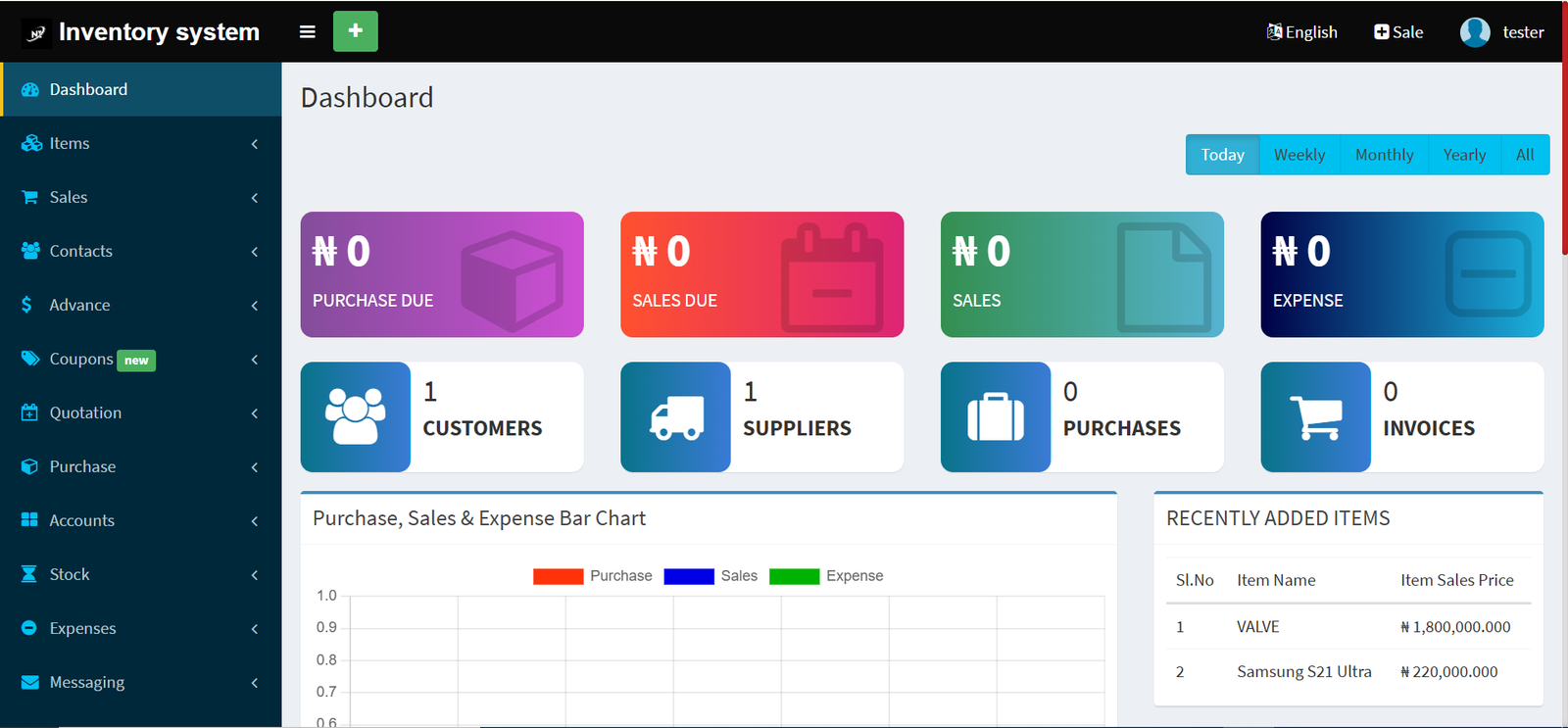
This demo gives you a quick look at our inventory management platform. You can explore how products, categories, stock levels, and transactions are managed through a clean and easy-to-use interface. Please note — this is a general demo version. We offer full customization based on your business size, preferred modules, and specific requirements. Custom features and integrations are...
The global specialty chemicals industry continues to expand as manufacturers seek high-purity reagents that support advanced research, pharmaceutical development, chemical synthesis, and industrial manufacturing. Reagent Grade 16A Methyl Epoxide has become an important specialty chemical due to its high purity, excellent reactivity, and broad applicability across pharmaceutical production,...

Keeping your vehicle clean does not have to take a lot of time. If you are looking for a quick, reliable, and professional exterior car wash, auto wash near me in Chula Vista is a great choice. Conveniently located at 2115 Olympic Pkwy, Chula Vista, this location is designed for drivers who want a clean and shiny vehicle without spending a long time waiting. Whether you drive to work every...

Introduction Optimizing your online store is crucial for increasing conversions, improving user experience, and maximizing revenue. With the right strategies, you can attract more visitors, enhance engagement, and encourage repeat purchases. Step 1: Improve Website Speed and Performance A slow website can lead to high bounce rates and lost sales. Optimize performance by: Using a...