


Solution Hub Groups Pages Market Events Blogs Funding Offers Jobs Courses Movies Games Merits
 Terms and Conditions
 Legal & Business Law Agreement
 Child Safety & Policy
 App Installation Guide
 User Guide Page
 Investors & Partnership agreement
 Flowisetech ambassador policy
 About Us
 Flowisetech Earning Guide
 Terms of Use
 Privacy Policy
 Help
Help
 FAQs
FAQs
 Community Guidelines
 Our Purpose
 Withdrawal Terms
 Verification Terms
 Community Policy
10 Small Business Ideas You Can Start With Little Capital

Starting a business does not always require a large office, expensive equipment, or significant investment.
In many cases, the biggest barriers are not money but finding a real problem to solve, choosing the right market, and starting with what you already have.
Technology has also lowered the cost of starting many businesses. A smartphone, internet connection, basic digital skills, and the ability to reach customers online can be enough to start a small operation.
The goal should not be to find a business that requires absolutely no money.
The goal is to find a business where your initial investment is small compared with the potential value you can create.
Here are 10 small business ideas that can be started with relatively little capital.
1. Social Media Management
Many small businesses know they need to be active on social media but do not have the time or skills to manage their accounts consistently.
This creates an opportunity for someone who understands platforms such as Facebook, Instagram, TikTok, LinkedIn, or X.
A social media manager can help businesses with:
-
Content planning
-
Posting
-
Graphic design
-
Short-form videos
-
Community engagement
-
Basic analytics
-
Customer responses
-
Social media strategy
You can start with a smartphone, internet connection, and basic design skills.
The important part is not simply posting content.
Businesses are paying for results such as better visibility, customer engagement, leads, and sales.
As your experience grows, you can turn the service into a small digital marketing agency.
2. Website Development
Businesses increasingly need websites, landing pages, online stores, booking systems, and other digital tools.
If you know how to build websites, this can become a relatively low-cost business.
You do not necessarily need an office.
You can work remotely and provide services such as:
-
Business websites
-
Landing pages
-
E-commerce websites
-
Portfolio websites
-
Booking systems
-
Blog websites
-
Business dashboards
-
Website maintenance
The opportunity becomes even stronger when you stop selling "a website" and start selling a business solution.
Instead of telling a customer, "I will build you a website," you could offer:
"I will build an online system that allows your customers to view your products, place orders, make payments, and receive updates."
That is a much more valuable proposition.
3. Graphic Design
Every business needs visual communication.
Logos, social media graphics, flyers, presentations, advertisements, product images, business cards, banners, and other materials are constantly needed.
A beginner can start with relatively inexpensive or free design tools and gradually improve their skills.
You can specialize in a particular market.
For example:
-
Restaurant branding
-
Real estate graphics
-
Social media content
-
Business presentations
-
Event materials
-
Product advertising
-
YouTube thumbnails
Specialization can make it easier to differentiate yourself from thousands of general graphic designers.
4. Freelance Writing
If you are good at writing, you can turn that skill into a business.
Companies need written content for:
-
Websites
-
Blogs
-
Newsletters
-
Product descriptions
-
Social media
-
Email campaigns
-
Business documents
-
Technical documentation
You can start by creating several strong writing samples.
Then approach businesses directly or use freelance marketplaces to find clients.
The biggest opportunity is to specialize.
A writer who says, "I write anything" may struggle to stand out.
A writer who says, "I write technology articles for software companies" has a clearer market position.
5. Online Tutoring
Education is another business that can be started with relatively little infrastructure.
If you have strong knowledge in a particular subject, you can teach students online.
Potential areas include:
-
Mathematics
-
Programming
-
English
-
Science
-
Business
-
Accounting
-
Digital skills
-
Exam preparation
You can teach through video calls, learning platforms, messaging applications, or your own website.
You can also move beyond one-to-one tutoring.
A successful tutor can eventually create:
Recorded courses → digital products → membership programs → group classes → learning platforms.
This creates opportunities to move from selling time to selling educational products.
6. Cleaning Services
Not every low-capital business needs to be digital.
Cleaning services can be started with basic equipment and expanded gradually.
Potential markets include:
-
Homes
-
Offices
-
Shops
-
Restaurants
-
Short-term rentals
-
Schools
-
Construction sites
The key is reliability.
Customers want people who show up on time, do quality work, and can be trusted.
A small cleaning business can eventually grow by hiring additional workers and developing recurring contracts.
Recurring customers are particularly valuable because they can provide predictable revenue.
7. Food and Meal Services
Food is a market that will always have demand.
Instead of immediately opening a restaurant, an entrepreneur can start much smaller.
For example:
-
Home meal delivery
-
Snacks
-
Baking
-
Lunch packages
-
Catering
-
Office meals
-
Event food
-
Specialized diets
The important principle is to start with a focused offering.
Rather than trying to sell everything, choose a specific customer and need.
For example:
"Affordable lunch delivery for office workers."
That is more focused than simply saying:
"We sell food."
Social media and messaging platforms can also make it easier to promote the business without spending heavily on traditional advertising.
8. Reselling Products Online
You do not necessarily need to manufacture products to start a business.
You can source products at a reasonable price and resell them at a profit.
Potential categories include:
-
Fashion
-
Phone accessories
-
Home products
-
Beauty products
-
Electronics accessories
-
Office supplies
-
Household items
The biggest challenge is choosing products with sufficient demand and healthy margins.
You also need to consider:
-
Supplier reliability
-
Delivery costs
-
Product quality
-
Competition
-
Returns
-
Customer service
A reseller can begin with a small inventory rather than purchasing large quantities.
As demand becomes clearer, inventory can increase.
9. Digital Products
Digital products are particularly interesting because they do not require physical inventory.
You can create something once and sell it repeatedly.
Examples include:
-
E-books
-
Templates
-
Study materials
-
Design assets
-
Business spreadsheets
-
Checklists
-
Online courses
-
Software tools
-
Website themes
-
Digital guides
The difficult part is not producing the file.
The difficult part is creating something people actually want.
A successful digital product solves a specific problem.
Instead of creating a generic business ebook, for example, you might create:
"Small Business Cash-Flow Spreadsheet for Retail Shops."
Specific problems often create stronger opportunities than broad topics.
10. Local Digital Services
One of the most overlooked opportunities is helping traditional local businesses become more digital.
Many small businesses still need help with basic digital operations.
You could offer services such as:
-
Google Business profile setup
-
Website creation
-
Online ordering
-
Digital payment setup
-
Business email
-
Social media setup
-
Online booking
-
Digital menus
-
Customer databases
-
Inventory systems
-
Basic business automation
The opportunity is particularly strong because many businesses do not need complicated technology.
They need someone who can take a confusing digital problem and make it simple.
That is a business opportunity.
How to Choose the Right Business Idea
Having ten ideas does not mean you should start ten businesses.
The better approach is to evaluate each opportunity.
Ask five questions.
1. Is There a Real Problem?
Do people actually need what you are offering?
A business should solve a problem or satisfy a meaningful demand.
2. Who Will Pay?
"Everyone" is not a target market.
Identify the specific people or organizations most likely to buy.
3. Can I Start Small?
Look for a model that allows you to test demand before making a large investment.
This reduces your risk.
4. Can I Make a Profit?
Revenue is not the same as profit.
Calculate your costs carefully.
Consider:
-
Materials
-
Transportation
-
Marketing
-
Software
-
Labor
-
Payment fees
-
Taxes
-
Equipment
-
Customer acquisition
A business can generate significant revenue and still lose money.
5. Can It Grow?
A small business does not have to remain small.
Ask whether you can eventually:
-
Increase prices
-
Add products
-
Hire employees
-
Automate processes
-
Reach more customers
-
Enter new markets
-
Create recurring revenue
A good starting business can become the foundation for something much larger.
Start With the Customer, Not the Business Idea
One of the biggest mistakes new entrepreneurs make is falling in love with an idea before finding customers.
They spend money on branding.
They build a website.
They buy equipment.
They create products.
Then they discover that very few people actually want what they built.
A better approach is to start with the problem.
Find people who have a problem.
Talk to them.
Understand how they currently solve it.
Find out what frustrates them.
Then design your offer around that information.
The customer should influence the business.
Not the other way around.
Start Small and Learn Fast
Your first version does not need to be perfect.
If you want to start a cleaning service, you do not need ten employees.
Start with a few customers.
If you want to sell digital products, start with one useful product.
If you want to build websites, find one business and create a strong case study.
If you want to sell food, test a small menu.
The objective is to learn before you scale.
Every customer interaction teaches you something.
You discover what people value.
You discover what they dislike.
You discover what they are willing to pay for.
You discover where your costs are too high.
You discover what can be improved.
That information is more valuable than assumptions.
Technology Can Help You Start With Less
Modern technology has made it possible to operate many small businesses with surprisingly little infrastructure.
You can use digital tools for:
-
Marketing
-
Accounting
-
Customer management
-
Communication
-
Scheduling
-
Payments
-
Inventory
-
Design
-
Content creation
-
Project management
-
Automation
Artificial intelligence can also help with research, customer communication, content creation, analysis, and other repetitive activities.
The important thing is not to use technology simply because it exists.
Use it where it saves time, reduces costs, improves quality, or creates a better customer experience.
The Best Business May Be the One You Already Have the Skills to Start
Sometimes entrepreneurs search endlessly for a "perfect" business idea when they already possess a useful skill.
Maybe you can design.
Maybe you can write.
Maybe you can code.
Maybe you can cook.
Maybe you can teach.
Maybe you can repair devices.
Maybe you understand accounting.
Maybe you are good at sales.
Your existing skills can reduce the cost of starting because you do not need to learn everything from scratch.
The next step is finding people who have a problem that your skill can solve.
That is where a skill becomes a business.
Final Thoughts
Starting with little capital does not mean starting with little ambition.
Some of the world's largest businesses began by solving a small problem for a small group of customers.
The objective is not to look like a large company on day one.
The objective is to create something people value and build from there.
Whether you choose website development, social media management, tutoring, food services, reselling, digital products, cleaning, writing, design, or another service, the same principle applies:
Start with a real problem. Find people who will pay to solve it. Deliver value. Learn from customers. Then scale what works.
You do not need millions to start a business.
You need a useful idea, a specific customer, a workable offer, and the discipline to begin.
Categories
- Make Money
- Product Review
- Social Media
- Excel
- Graphics design
- Freelancing/Consulting
- E-commerce and Digital Marketing
- Business
- Self Development
- Tips to Success
- Video Editing
- Photo Editing
- Website Promotion
- YouTube
- Computer
- Phone
- Music
- Spirituality & Faith
- School
- Tech & Digital
- Gaming
- News
- Digital Economy / Technology
- Relationship
- Real Estate
- Creative Arts & Design
- Medical
- Causes
- Networking
Read More
is one of those designers who not only talks about sustainability efforts but she truly walks the walk. Bottega Veneta Sale each season look forward to hearing what she has to say at the end of her runway shows. As much as tried to narrow it down to one had to include a second styles in this month list. the interest has been even for both. he fashion industry employs people in. It creates...

When people think about success, they often imagine it as the product of raw talent. The gifted athlete, the natural-born leader, the brilliant student—all of them seem destined for greatness. But if you look closer, you’ll see a different truth: talent may start the race, but discipline finishes it. Self-discipline is the quiet force behind every long-term success story. It...

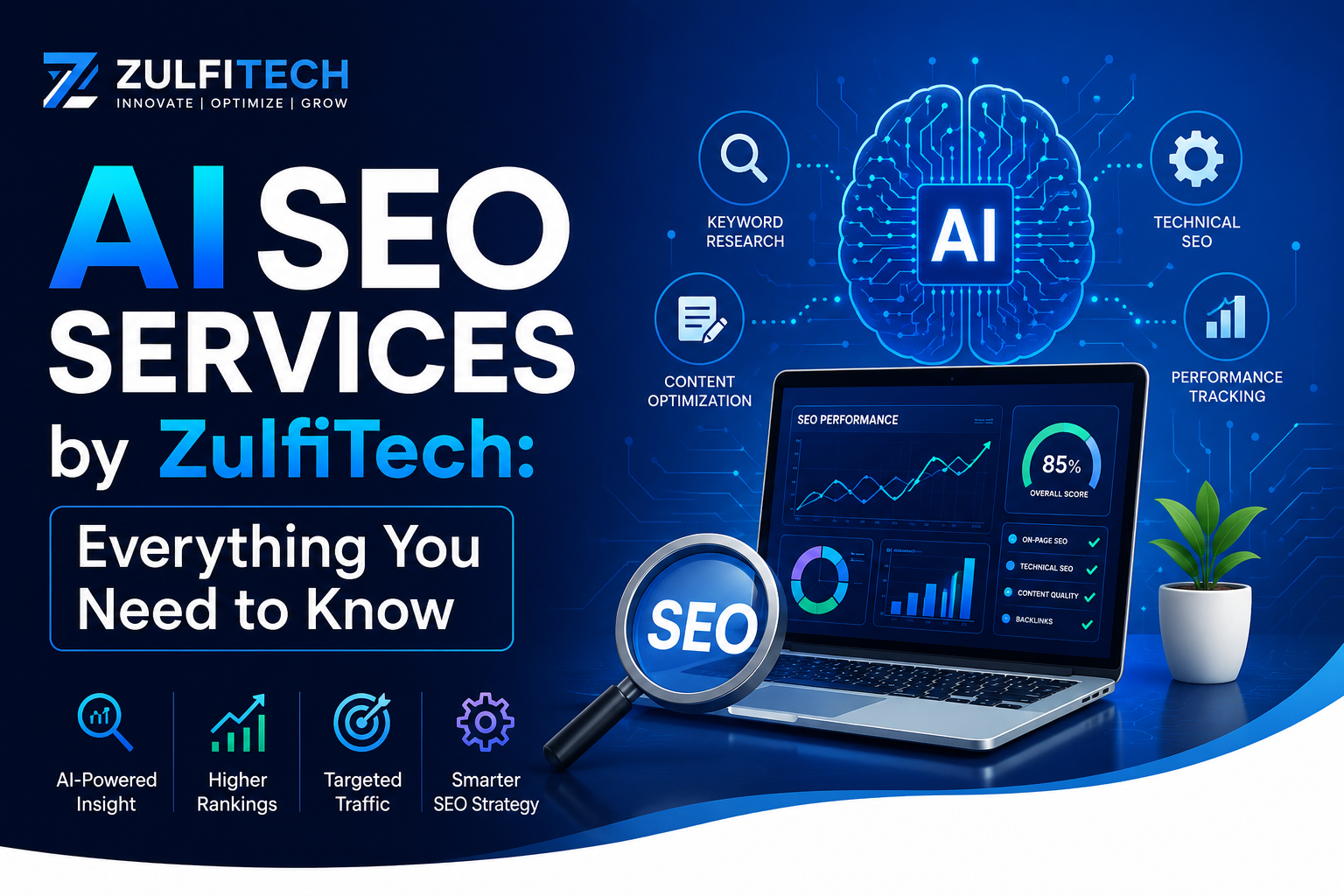
Search engine optimization is changing faster than ever. Search engines now use advanced artificial intelligence to understand content, user intent, and website quality. Because of these changes, businesses need smarter SEO strategies that go beyond traditional keyword optimization. This is where AI SEO Services make a real difference. By combining artificial intelligence with proven SEO...
One of the biggest financial misconceptions is believing that earning more money automatically leads to wealth. It's an understandable assumption—if your income increases, your financial life should improve, right? Yet countless people with high-paying jobs struggle financially, while others with modest incomes quietly build impressive wealth over time. The truth is simple: earning more...

Technology is one of the most powerful tools of our time. It helps us learn faster, communicate instantly, and access opportunities that were impossible just a few years ago. For students and young people especially, technology can be a strong advantage. However, the same technology that helps us grow can also become a major source of distraction if it is not used intentionally. The goal is...