


















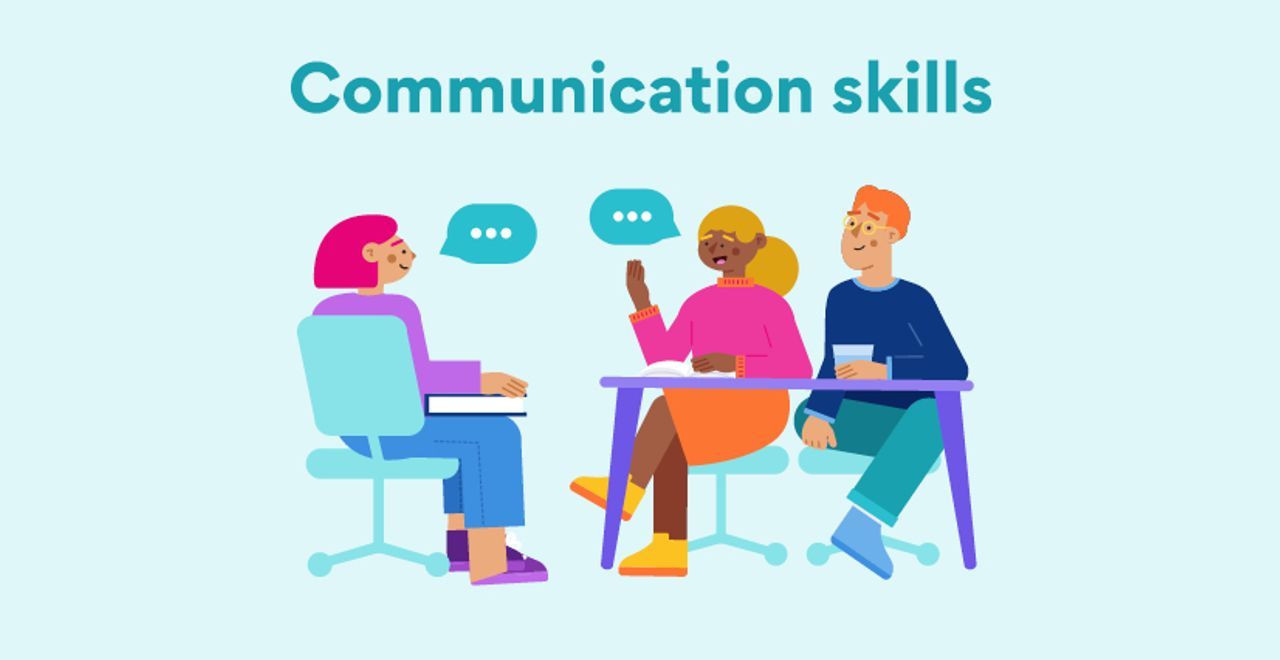

Communication is an essential part of everyday life. From interacting with classmates and lecturers to participating in group projects, presenting ideas, and building relationships, students rely on communication skills in almost everything they do.
Academic success is not determined by intelligence or the ability to pass examinations alone. A student's ability to express ideas clearly, listen to others, ask questions, and interact effectively can also influence their overall development.
Unfortunately, many students underestimate the importance of communication. Some find it difficult to express their opinions, participate in discussions, speak confidently in public, or communicate their thoughts effectively.
Developing strong communication skills can help students overcome these challenges and prepare for opportunities beyond the classroom.
Here are some reasons communication skills are important in student life and how students can improve them.
1. Communication Improves Academic Performance
One of the most important benefits of effective communication is its contribution to academic development.
Students who communicate confidently are often more comfortable asking questions when they do not understand a topic. Rather than remaining silent, they can seek clarification from lecturers and classmates.
Good communication also makes it easier to participate in classroom discussions, explain ideas, and contribute to academic activities.
For example, when a student can clearly explain a concept in their own words, it demonstrates an ability to organise and communicate what they have learned.
Developing this skill can make learning more interactive and productive.
2. It Helps Students Build Meaningful Relationships
Student life involves interacting with people from different backgrounds, cultures, experiences, and perspectives.
Effective communication makes it easier to establish friendships, develop trust, and maintain healthy relationships.
Students who know how to communicate respectfully are better positioned to understand others, resolve misunderstandings, and build positive connections.
These relationships can also create opportunities for collaboration, academic support, and personal development.
Learning how to communicate with different people is an important skill that will remain valuable long after graduation.
3. It Builds Confidence and Self-Expression
Many students have valuable ideas but struggle to express them because they are afraid of making mistakes or being judged.
Developing communication skills can help overcome this challenge.
When students learn how to organise their thoughts and express themselves clearly, they become more comfortable sharing opinions, asking questions, and participating in discussions.
Public speaking, classroom presentations, debates, and group activities provide opportunities to practise these skills.
Confidence does not develop overnight. However, consistent practice can gradually make communication feel more natural.
4. It Improves Teamwork and Collaboration
Group assignments, academic projects, research activities, and student organisations often require students to work together.
For teamwork to be successful, members must communicate their ideas, understand their responsibilities, listen to different opinions, and coordinate their efforts.
Poor communication can lead to misunderstandings, missed deadlines, and unnecessary disagreements.
On the other hand, effective communication helps students share responsibilities, solve problems, and work towards common objectives.
Learning to collaborate with others also prepares students for professional environments where teamwork is an important part of daily responsibilities.
5. It Develops Leadership Abilities
Good leaders must know how to communicate.
Whether a student is serving as a class representative, leading an academic group, coordinating an event, or participating in a student association, communication plays an important role in effective leadership.
A student leader must be able to explain decisions, listen to concerns, provide guidance, and communicate information clearly.
Leadership is not simply about holding a position or giving instructions. It also involves understanding people and creating an environment where others can contribute.
Students who develop strong communication skills are better prepared to take on leadership responsibilities.
6. It Helps Students Resolve Conflicts
Disagreements are a normal part of interacting with other people.
Students may experience conflicts during group assignments, misunderstandings with friends, disagreements with classmates, or differences of opinion during discussions.
Without proper communication, small disagreements can develop into bigger problems.
Effective communication encourages students to listen carefully, explain their concerns respectfully, and consider other people's perspectives.
It also teaches them to disagree without being disrespectful.
The ability to handle disagreements constructively is valuable not only in school but also in professional and personal relationships.
7. It Prepares Students for Employment and Career Opportunities
Academic qualifications are important, but employers also value individuals who can communicate effectively.
During job interviews, workplace meetings, presentations, and professional interactions, communication skills can influence how individuals present themselves and their ideas.
Students who develop these abilities early may find it easier to participate in interviews, write professional emails, interact with colleagues, and explain their work.
Communication is also important for entrepreneurs, freelancers, and individuals who intend to establish their own businesses.
Whether you want to work for an organisation or build something of your own, the ability to communicate effectively can create valuable opportunities.
8. It Encourages Networking and Opportunity Discovery
Opportunities often come through relationships and conversations.
Students who know how to communicate effectively can introduce themselves, connect with professionals, participate in meaningful discussions, and build relationships with people who share similar interests.
Networking does not mean approaching people only because you want something from them. It involves building genuine relationships, exchanging knowledge, and creating opportunities for mutual growth.
A simple conversation with a lecturer, fellow student, entrepreneur, or professional can introduce you to information and opportunities you might not have discovered otherwise.
Learning how to communicate with people respectfully can expand your network and expose you to new possibilities.
9. It Strengthens Writing and Digital Communication Skills
Communication is not limited to face-to-face conversations.
Students also communicate through emails, text messages, academic reports, presentations, online discussions, and social media platforms.
The ability to write clearly and professionally is particularly important in academic and professional environments.
Students should learn how to structure their writing, use appropriate language, communicate ideas logically, and maintain a respectful tone when interacting online.
Digital communication also requires responsibility. Before sharing information or responding to messages, students should consider the accuracy, relevance, and possible consequences of what they communicate.
Developing these skills can improve both academic performance and professional readiness.
10. It Helps Students Become Better Listeners
Effective communication is not only about speaking. Listening is equally important.
Some students focus so much on expressing their opinions that they forget to pay attention to what others are saying.
Good listening involves concentrating on the speaker, understanding their message, asking relevant questions, and responding appropriately.
In the classroom, listening carefully helps students understand lectures and follow instructions. In group discussions, it allows them to appreciate different perspectives and contribute more meaningfully.
Being a good listener also demonstrates respect and helps build stronger relationships.
Practical Ways Students Can Improve Their Communication Skills
Communication is a skill that improves with practice. Students do not need to be naturally outspoken to become effective communicators.
Here are some practical ways to develop this ability:
-
Read regularly: Reading books, articles, and educational materials can improve vocabulary and help you express ideas more effectively.
-
Practise public speaking: Take opportunities to speak during classroom discussions, presentations, and group activities.
-
Ask questions: Do not be afraid to seek clarification when you do not understand something.
-
Listen actively: Pay attention when others speak instead of thinking only about what you want to say next.
-
Improve your writing: Practise writing essays, reports, emails, and other forms of professional communication.
-
Join group activities: Participate in student organisations, debates, volunteering, and collaborative projects.
-
Accept feedback: Be willing to learn from constructive criticism and improve areas where you struggle.
-
Think before speaking: Organise your thoughts and choose words that communicate your message clearly and respectfully.
These small steps can gradually improve how you interact with people in different situations.
Conclusion
Communication skills are among the most valuable abilities every student should develop. They influence academic participation, personal relationships, leadership, teamwork, networking, and future career opportunities.
Being academically intelligent is important, but knowing how to communicate what you understand is equally valuable.
As a student, do not limit your development to classroom knowledge alone. Learn how to express your ideas, listen to others, write effectively, and interact confidently with people from different backgrounds.
The communication skills you develop today can become some of your greatest assets tomorrow.
Your education prepares you with knowledge, but your ability to communicate helps you share that knowledge, build meaningful relationships, and turn opportunities into progress.