



















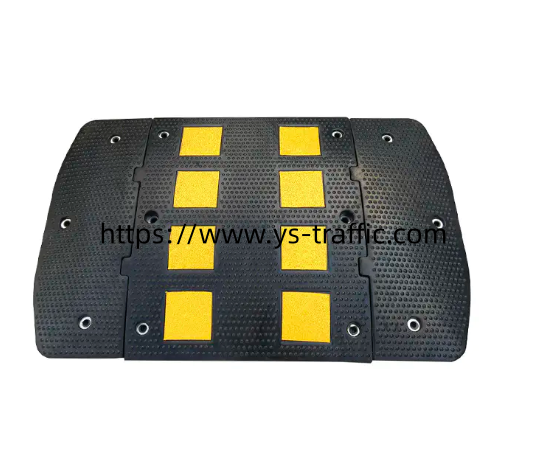

Speed Bump selection requires buyers to look beyond product appearance and unit price. For parking facility operators, construction contractors, wholesalers, and importers, the purchasing process should begin with the intended application, vehicle characteristics, installation environment, and project budget. These factors help determine which product configuration is appropriate for a particular location. As a traffic safety equipment manufacturer, ys-traffic works with customers seeking practical rubber products for commercial, residential, and industrial environments.
Define the Project Requirements Before Purchasing
Every installation project starts with a different set of requirements. A residential community may need equipment near internal roads and pedestrian areas, while a warehouse may require products around loading entrances and vehicle access routes.
Buyers should identify the purpose of the installation and record the locations where the equipment will be used. Consider the daily vehicle volume, vehicle categories, road width, and whether pedestrians regularly share the same area.
It is also useful to determine the expected installation quantity at an early stage. For projects involving multiple entrances, preparing a site plan can help estimate the number of sections required and reduce uncertainty during quotation.
Examine Material Composition and Manufacturing Details
Material selection influences flexibility, product weight, durability, and maintenance requirements. Rubber is commonly considered for outdoor traffic management applications because its flexible construction can accommodate repeated contact with passing vehicles.
However, buyers should not evaluate material based on appearance alone. Ask the manufacturer about the rubber compound, production process, surface finish, and relevant material characteristics. These details provide a clearer basis for comparing different product options.
Outdoor exposure should also be considered. Sunlight, rain, moisture, and temperature changes may influence the condition of rubber products over time. Importers should communicate the destination market and expected operating environment when requesting technical information.
Match Product Dimensions With the Installation Area
Measurements are essential when preparing an order. Buyers should confirm the overall length, width, height, and profile of the proposed product before deciding on the required quantity.
Vehicle clearance is another important consideration. Passenger cars, vans, and commercial vehicles have different structural dimensions, so the selected configuration should reflect the vehicles that regularly use the location.
For wide entrances or long access routes, modular sections may provide a convenient way to plan coverage. Request dimension drawings from the manufacturer and compare them with actual site measurements. This step can help prevent quantity errors and installation difficulties.
Review Color, Reflective Elements, and Surface Design
Visibility is an important part of product selection. Drivers should be able to recognize changes in the road surface when approaching an installation area, particularly in locations with limited lighting.
Buyers can review the color arrangement, reflective strip design, and surface texture. Contrasting colors may help distinguish the product from the surrounding pavement, while reflective components can provide additional visual information under suitable lighting conditions.
Consider the appearance from different driving directions rather than examining only a product photograph taken from above. For underground garages, warehouse entrances, and outdoor parking facilities, it may be useful to request photographs showing the product in an installed environment.
Confirm Fixing Accessories and Ground Compatibility
The installation surface can influence the fixing method. Concrete and asphalt may require different mounting arrangements, so buyers should identify the ground material before confirming their order.
Ask whether mounting holes are pre-drilled and whether suitable anchors or other accessories are included. It is also important to confirm the recommended number and position of fixing points.
For projects covering several locations, record the ground conditions at each site. If the surfaces differ, discuss the installation requirements separately with the supplier. This information helps purchasing teams prepare the necessary accessories and coordinate installation work.
Discuss Customization and Order Preparation
Wholesale buyers and project contractors may need specifications that differ from standard configurations. Depending on manufacturing availability, customization discussions may cover dimensions, colors, reflective components, product markings, and packaging.
Before requesting a quotation, prepare a written specification containing the required quantity, product dimensions, preferred colors, destination country, and expected delivery schedule. Drawings and photographs can also help communicate project details.
Packaging should not be overlooked. Importers should confirm carton dimensions, packing quantities, protective materials, labeling requirements, and loading arrangements. These details can influence storage space, transportation planning, and receiving procedures.
Evaluate Supplier Communication and Production Support
A purchasing decision also involves the manufacturer's ability to communicate product information clearly. Buyers should ask for technical drawings, product photographs, available specifications, and explanations of relevant manufacturing arrangements.
For larger orders, discuss sample availability, inspection procedures, production scheduling, and order confirmation documents. Written records of agreed specifications can help both parties avoid misunderstandings during manufacturing and shipment.
At ys-traffic, customers can share their project information and discuss product requirements with the manufacturing team. Providing accurate measurements, application details, and estimated quantities helps establish a clearer basis for quotation and order preparation.Before placing an order, buyers should compare the proposed product configuration with the actual installation environment and confirm all relevant details in writing. Material composition, dimensions, visual design, fixing accessories, packaging, and production arrangements all deserve attention during procurement. Whether you are sourcing equipment for a residential development, commercial parking facility, or industrial access area, ys-traffic can discuss your requirements and provide relevant product information. Visit https://www.ys-traffic.com/ to review the company and its available product range.