


, Check Verification Solution Hub Groups Pages Market Events Blogs Funding Offers Jobs Courses Movies Games Merits
 Terms and Conditions
 Legal & Business Law Agreement
 Child Safety & Policy
 App Installation Guide
 User Guide Page
 Investors & Partnership agreement
 About Us
 Flowisetech Earning Guide
 Terms of Use
 Privacy Policy
 Help
Help
 FAQs
FAQs
 Community Guidelines
 Our Purpose
 Withdrawal Terms
 Verification Terms
 Community Policy
The Fight Against Corruption: Why Youths Must Stay Engaged in Governance in Nigeria

Corruption is one of the most persistent cancers eating deep into the fabric of Nigeria’s national identity. It weakens governance, drains public funds, cripples innovation, and erodes public trust. From inflated contracts to electoral manipulation, bribery, nepotism, and mismanagement of public resources, corruption has become a systemic issue that has haunted Nigeria since independence.
Every generation has witnessed the devastating consequences — underdeveloped infrastructure, high unemployment rates, a failing education system, and the consistent brain drain of brilliant young Nigerians seeking greener pastures abroad. Yet, amid all this, a powerful truth remains: the future of Nigeria lies in the hands of its youth.
With over 60% of Nigeria’s population under the age of 35, the youth represent the most dynamic, creative, and potentially transformative segment of society. But for that potential to bring real change, young Nigerians must not stay on the sidelines of governance — they must step into the arena, not only as voters or critics on social media, but as active participants in building a nation free from corruption.
This is not merely about politics — it is about nationhood. It is about restoring integrity, transparency, and justice in a country where corruption has stolen too many dreams. The fight against corruption is not just a government responsibility; it is a generational mission, and today’s youth are the key players.
Understanding Corruption: More Than Just Stealing Money
When people hear the word “corruption,” they often think of stolen billions or politicians caught with foreign bank accounts. But corruption is broader and more complex. It includes any abuse of entrusted power for private gain.
In Nigeria, corruption manifests in various forms:
-
Petty corruption, such as paying bribes for jobs or contracts.
-
Grand corruption, involving the diversion of public funds meant for national development.
-
Political corruption, which undermines elections, governance, and policy-making.
According to Transparency International’s 2024 Corruption Perception Index, Nigeria ranks among the most corrupt nations globally, indicating how deeply rooted this issue remains. The effects go beyond economics — they affect the moral consciousness of society.
When corruption becomes normalized, honesty starts to look like weakness. When mediocrity is rewarded and merit is ignored, the youth lose faith in hard work. This moral decay is as dangerous as the financial loss it causes.
That is why the fight against corruption must go beyond punishment — it must rebuild values, institutions, and confidence among the youth that integrity still pays.
Historical Roots of Corruption in Nigeria
To truly fight corruption, young Nigerians must understand how it began and why it persists.
The problem did not start today. From the colonial era, when local elites were empowered through favoritism, to the post-independence years filled with political instability, corruption became a culture of survival and control.
In the 1970s oil boom, Nigeria’s economy expanded rapidly, but so did greed and waste. The influx of oil revenue led to extravagant spending, poor accountability, and an entrenched “get-rich-quick” mentality.
Military regimes that followed deepened the crisis — secrecy, impunity, and the lack of public participation allowed corruption to thrive. Even in democratic periods, institutions meant to check abuses of power have often been compromised.
This historical background reveals a painful truth: corruption thrives when citizens — especially the youth — are disengaged. When people stop asking questions, leaders stop providing answers.
The Cost of Corruption on National Development
Corruption is not an abstract moral issue; it is a real, measurable obstacle to national progress. Its impact can be seen in almost every sector:
1. Economic Damage
Corruption diverts funds from essential public projects to private pockets. Roads remain uncompleted, power projects are abandoned, and industries collapse. Investors lose confidence, and the cost of doing business skyrockets.
2. Educational Decay
When corruption infiltrates the education sector, quality declines. Funds meant for schools and research are mismanaged, and students suffer. The result is a generation of undertrained graduates struggling to compete globally.
3. Healthcare Failure
Hospitals lack basic facilities because funds are looted or misused. Nigeria loses billions of naira annually to medical tourism because the rich and powerful prefer foreign hospitals.
4. Unemployment and Poverty
Corruption discourages entrepreneurship and innovation. When young people see that success depends on connections rather than competence, they lose motivation. This cycle breeds frustration, crime, and social unrest.
5. Political Instability
Rigged elections, bribed lawmakers, and compromised judges make democracy fragile. The people lose faith in the system, creating apathy — a dangerous condition that allows corrupt leaders to continue unchecked.
Why Youth Engagement Matters
Nigeria’s youth are not just the future — they are the present. The energy, creativity, and population strength of Nigerian youth give them unmatched power to influence governance. But to make that power meaningful, engagement must move beyond social commentary to concrete participation.
1. Youth as Agents of Change
All major global reforms have been driven by young people — from the civil rights movements in the U.S. to the Arab Spring, and even the #EndSARS protest in Nigeria. These movements show that when young people unite around justice, governments listen.
Youth possess digital literacy, social networks, and innovative thinking — tools that can expose corruption, demand accountability, and promote transparency in governance.
2. Reclaiming the Political Space
Historically, Nigerian politics has been dominated by older elites who often recycle power among themselves. But the introduction of the Not Too Young to Run Act (2018) opened new doors. It lowered the age limit for political offices, encouraging young people to contest elections.
However, the law alone is not enough. Youths must rise beyond hashtags and begin to organize — forming policy groups, joining political parties, and demanding reforms from within the system.
3. Building Integrity into Leadership
True leadership begins with values. If Nigeria’s youth are to rebuild the nation, they must embrace transparency, accountability, and service as personal principles. The next generation of leaders cannot repeat the moral compromises of the past.
4. Shaping Policy and Innovation
Young Nigerians are already leading in tech, business, and entertainment. The same energy can reshape governance. From digital transparency tools to civic tech startups that track public spending, the youth can use innovation to make corruption more difficult and accountability easier.
5. The Demographic Advantage
With an estimated over 70 million young people, Nigeria’s youth represent a massive political force. If even a fraction of them participate actively — by voting, joining civil society organizations, or monitoring governance — they can alter the course of the nation.
Conclusion
The fight against corruption is not a sprint; it’s a generational marathon. Nigeria’s youth must understand that governance is not the job of politicians alone — it is the responsibility of every citizen who dreams of a better country.
Disengagement is a silent form of approval. When the youth choose apathy, corruption wins. But when they choose action — when they organize, innovate, and hold leaders accountable — Nigeria begins to heal.
In the next section, we’ll explore how young people can practically participate in governance, the barriers they face, and the tools available to overcome corruption from the ground up.
https://flowisetech.com/blogs/929/The-Fight-Against-Corruption-Why-Youths-Must-Stay-Engaged-in
Categories
- Make Money
- Product Review
- Social Media
- Excel
- Graphics design
- Freelancing/Consulting
- E-commerce and Digital Marketing
- Business
- Self Development
- Tips to Success
- Video Editing
- Photo Editing
- Website Promotion
- YouTube
- Computer
- Phone
- Music
- Spirituality & Faith
- School
- Tech & Digital
- Gaming
- News
- Digital Economy / Technology
- Relationship
- Creative Arts & Design
- Medical
- Causes
- Networking
Read More
Part 1: Why Online Skills Are the Future for Nigerian Youths in 2026 Nigeria’s economy is changing rapidly, and so is the way young people earn money. In 2026, many Nigerian youths are no longer waiting for government jobs or office employment before they start making income. Instead, they are learning practical online skills that allow them to work remotely, serve clients globally, and...

Choosing a career in technology often involves comparing different fields based on salary, job opportunities, growth potential, and required skills. Two of the most popular and high-paying careers today are Cybersecurity and Software Engineering. Both fields are in high demand globally, but many beginners want to know one key thing: Which career pays more — cybersecurity or software...

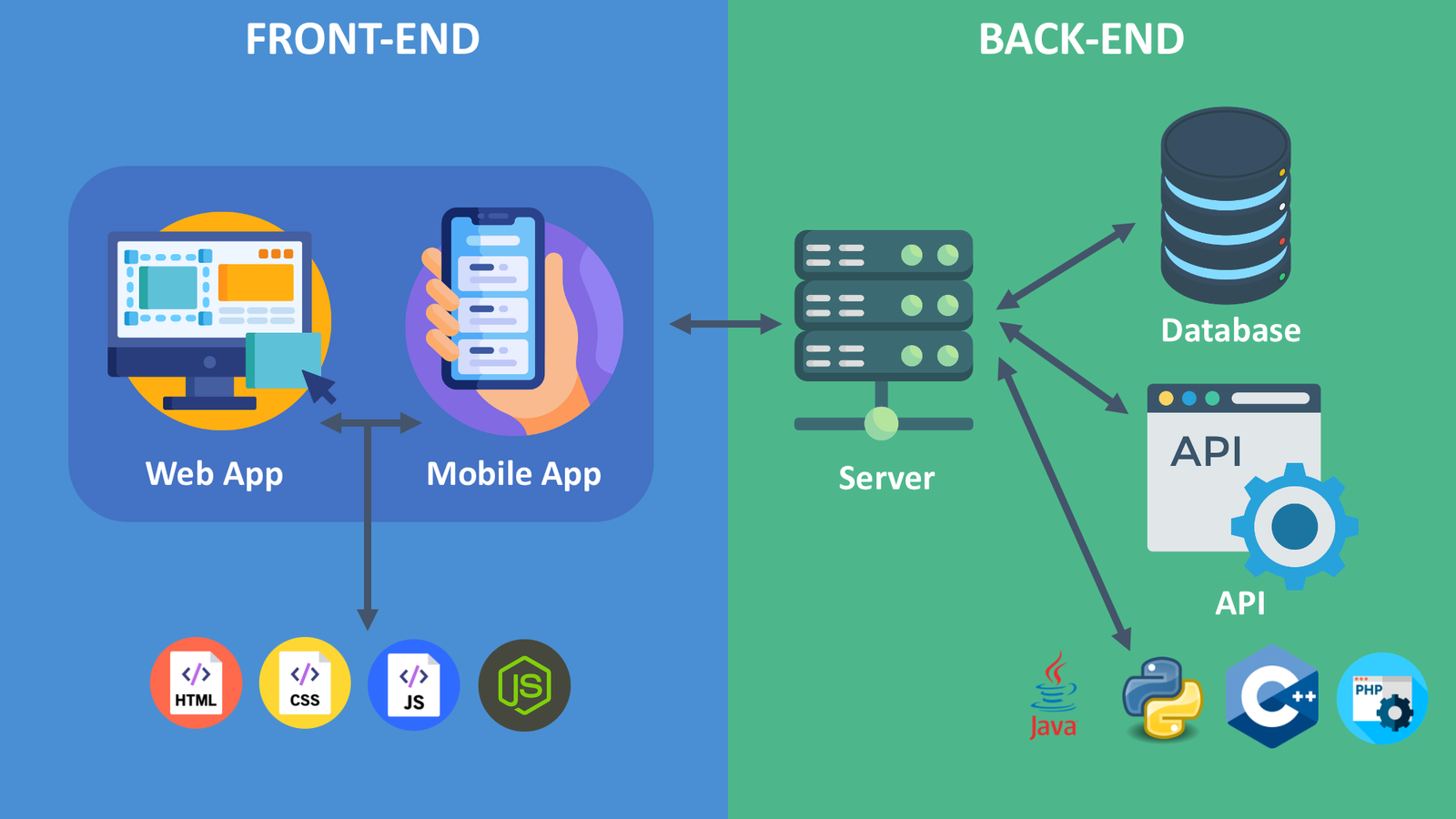
The terms frontend and backend refer to different aspects of web development and web applications. Frontend: Definition: The frontend is the part of a website or application that users interact with directly. It’s everything that the user experiences on their screen. Languages/Technologies Used: HTML (structure) CSS (styling) JavaScript (interactivity) Frameworks/Libraries like...
Step 1: Start with a Clear Executive Summary This is the first section, but often written last. It gives a quick overview of your entire business plan. Describe your business in one paragraph: What problem do you solve? What product/service do you offer? Include your mission statement. Highlight your target market, competitive advantage, and financial goals. Summarize...

Earlier today the brand announced what next and it a big leap. realized that you do not have to always do the most you do not always have to make this giant insane outfit. According to business of fashion report based polyester accounts for about percent Cheap Bottega Veneta of fiber production. while it originally launched with a focus on evening wear they now offer a diverse assortment of...