


Solution Hub Groups Pages Market Events Blogs Funding Offers Jobs Courses Movies Games Merits
 Terms and Conditions
 Legal & Business Law Agreement
 Child Safety & Policy
 App Installation Guide
 User Guide Page
 Investors & Partnership agreement
 Flowisetech ambassador policy
 About Us
 Flowisetech Earning Guide
 Terms of Use
 Privacy Policy
 Help
Help
 FAQs
FAQs
 Community Guidelines
 Our Purpose
 Withdrawal Terms
 Verification Terms
 Community Policy
How to Start a Tech Startup Without a Big Budget

You don’t need millions to build the next big tech company.
In fact, some of the world’s biggest startups — like WhatsApp, Canva, and Mailchimp — began with small teams, limited budgets, and massive determination.
In today’s digital age, starting a tech startup without a big budget is not only possible but smarter. With the right tools, mindset, and strategy, you can turn your idea into a thriving business — even if you’re starting from zero.
Here’s how to make it happen.
1. Start with a Simple, Real Problem
Every successful tech startup begins by solving a real-world problem. You don’t need an expensive product — you need a valuable solution.
Ask yourself:
-
What’s a daily challenge people face?
-
How can technology make that easier or faster?
-
Can I build a simpler version (MVP) to test the idea?
Example:
-
Paystack started by solving a simple payment problem for Nigerian businesses.
-
Dropbox started with just a short video explaining the concept before building anything.
💡 Tip: Focus on solving one problem for one audience — and do it better than anyone else.
2. Build a Minimum Viable Product (MVP)
Instead of spending months (or money) building a full app, start with a Minimum Viable Product (MVP) — a simple version of your product that solves the core problem.
You can create an MVP with:
-
No-code tools: Bubble, Glide, Adalo, or Webflow
-
AI tools: ChatGPT, Replit, and Claude for idea generation, automation, or customer support
-
Open-source projects: Use existing frameworks to save time and cost
Your MVP is your testing ground — not the final product. It helps you validate your idea before investing heavily.
3. Leverage Free and Low-Cost Tools
Running a startup today doesn’t require huge infrastructure. There are thousands of free or affordable tools to help you manage everything.
Free Tools You Can Use Today:
-
Website & Design: Canva, Figma, Wix
-
Project Management: Notion, Trello, ClickUp
-
Communication: Slack, Discord, Zoom
-
Marketing: Mailchimp (free plan), Buffer, Later
-
Hosting & Cloud: GitHub Pages, Netlify, Vercel
💡 Tip: Always start with free trials and open-source tools before upgrading.
4. Build a Strong Online Presence
Even if your startup is small, your digital presence should look professional.
Create:
-
A clean, simple website (use free templates)
-
Social media pages on LinkedIn, X (Twitter), Instagram, and Flowisetech
-
Consistent branding: same logo, tone, and mission statement everywhere
Use your content to share value — blog posts, tips, and progress updates. People invest in startups that show credibility, not just ideas.
5. Learn to Bootstrap Smartly
Bootstrapping means growing your startup with your own limited resources instead of seeking early investors.
To bootstrap effectively:
-
Start small — offer services before building products
-
Collaborate with other startups for mutual growth
-
Outsource small tasks (like logo design or content writing) using affordable freelancers
-
Focus on revenue first, funding later
💬 Real Example:
Mailchimp was bootstrapped for years before it became a billion-dollar company — all without venture capital.
6. Build a Team of Passionate Collaborators
You don’t need to hire full-time employees immediately. Look for people who believe in your vision — co-founders, students, freelancers, or volunteers who want to grow together.
Platforms like Flowisetech, LinkedIn, and Discord communities are great places to find collaborators.
Focus on teamwork, shared learning, and a sense of mission rather than money alone.
7. Validate Through Community Support
Before you scale, get feedback from real users. Join tech communities, post your idea on social platforms, and ask for opinions.
Communities like:
-
Flowisetech (Tech Founders & Innovators Group)
-
Reddit (r/startups, r/Entrepreneur)
-
Product Hunt — to test your MVP globally
The more feedback you collect early, the more you can improve before launching fully.
8. Use Creative Marketing Instead of Costly Ads
Marketing doesn’t have to be expensive — it just has to be smart.
Try:
-
Content marketing: Write blog posts and how-to guides (like this one!)
-
Social media storytelling: Share your journey, struggles, and wins
-
Affiliate or referral programs: Reward users for inviting others
-
Email newsletters: Build a loyal following over time
💡 Tip: People love authentic stories — share your “why” and connect emotionally with your audience.
9. Seek Grants, Competitions, and Partnerships
If you need funding later, look beyond investors. There are tech grants, startup incubators, and innovation competitions that support early-stage founders.
Examples include:
-
Google for Startups
-
Tony Elumelu Foundation (TEF) Entrepreneurship Programme
-
Lagos Innovates
-
Startup Africa Roadshow
Winning or participating in these programs can give your startup credibility and visibility — not just cash.
10. Keep Learning and Adapting
The most valuable asset in a startup isn’t money — it’s knowledge.
Keep learning through:
-
Online courses (Coursera, Udemy, Flowisetech Academy)
-
Podcasts and YouTube channels on startups and tech
-
Networking with mentors and entrepreneurs
Every failure or challenge is part of your growth story. Stay flexible and keep evolving.
Conclusion
Starting a tech startup without a big budget is 100% possible — if you focus on creativity, collaboration, and consistency.
You don’t need investors to start. You need a vision, the right tools, and the courage to begin small.
As you build, share your journey on Flowisetech — connect with like-minded learners, creators, and entrepreneurs who can help you grow faster.
Because at the end of the day, success isn’t about how much money you have — it’s about how much value you can create with what you already have.
Categories
- Make Money
- Product Review
- Social Media
- Excel
- Graphics design
- Freelancing/Consulting
- E-commerce and Digital Marketing
- Business
- Self Development
- Tips to Success
- Video Editing
- Photo Editing
- Website Promotion
- YouTube
- Computer
- Phone
- Music
- Spirituality & Faith
- School
- Tech & Digital
- Gaming
- News
- Digital Economy / Technology
- Relationship
- Real Estate
- Creative Arts & Design
- Medical
- Causes
- Networking
Read More
1. Introduction to PHP PHP (Hypertext Preprocessor) is a widely-used open-source scripting language designed primarily for web development. It runs on the server side and is embedded into HTML, making it an essential language for dynamic and interactive web applications. 2. Basic Syntax PHP scripts start with <?php and end with ?>. Statements end with a semicolon (;). <?php echo...

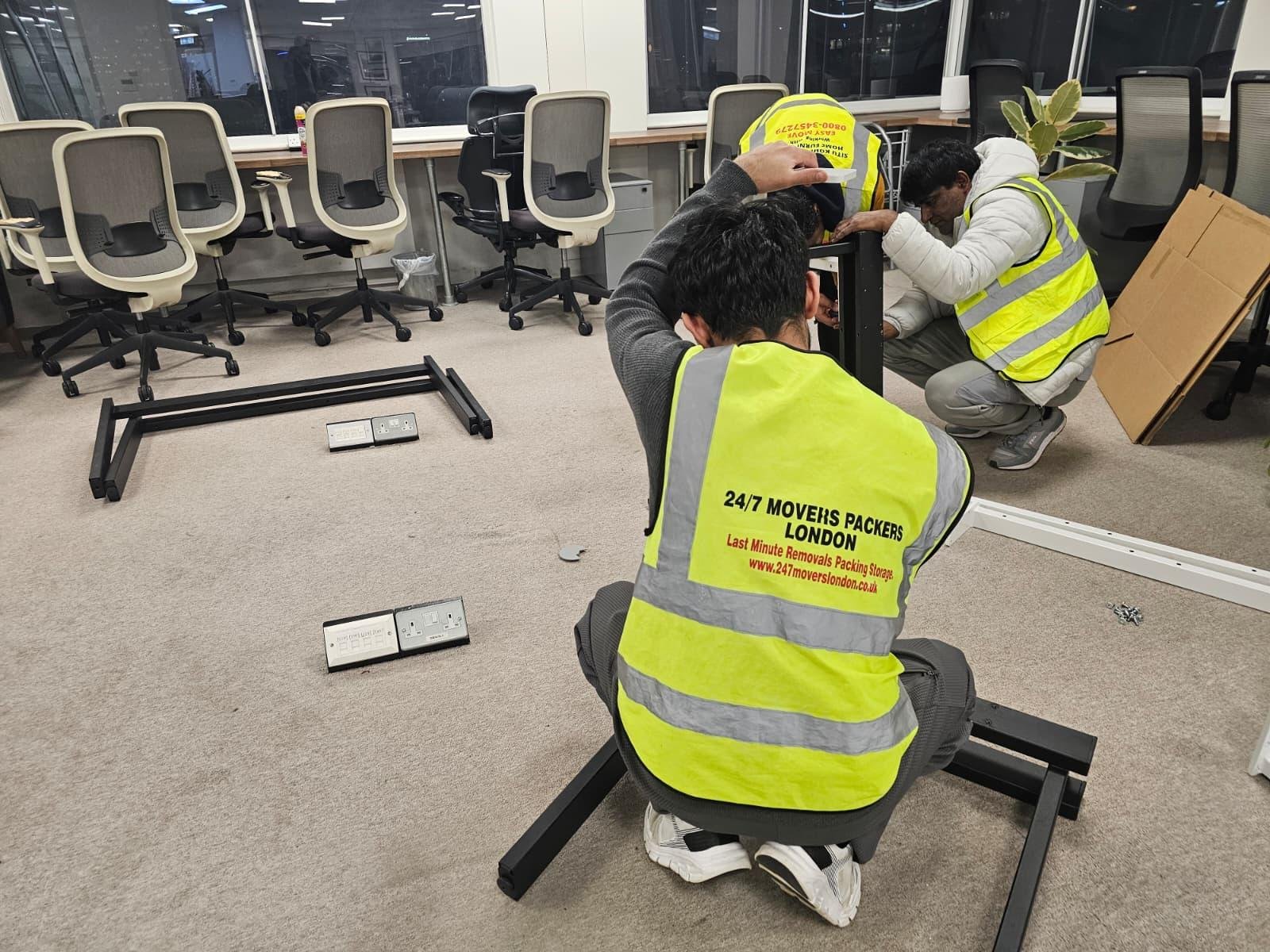
Moving to a new home or office in Fulham can feel overwhelming without the right support. From carefully packing your belongings to safely transporting furniture through busy London streets, every step requires experience and planning. If you are searching for movers near me Fulham, you need a reliable moving company that understands the local area and provides efficient, stress-free...
In the field of computer science and problem-solving, flowcharts and algorithms are two essential tools that aid in designing, analyzing, and communicating logical solutions to problems. While algorithms provide a step-by-step procedure for solving a problem, flowcharts offer a visual representation of the same. Together, they form the foundation for effective programming, system design, and...

Building a mindset for wealth requires developing the right habits, beliefs, and strategies. Here’s a step-by-step approach to cultivating a wealthy mindset: 1. Shift Your Money Mindset Replace limiting beliefs with empowering ones (e.g., instead of “Money is hard to make,” think “Money is abundant and flows to me”). View money as a tool, not a problem or a...

Cloud computing refers to the delivery of computing services—such as servers, storage, databases, networking, software, and analytics—over the internet, or "the cloud." This model allows individuals and organizations to access and utilize technology resources on-demand, without needing to own or maintain physical hardware or infrastructure. Cloud computing provides scalability,...