 Français
 English

 About Us
What Java is Used For
Non classé |
2025-02-14 19:26:33
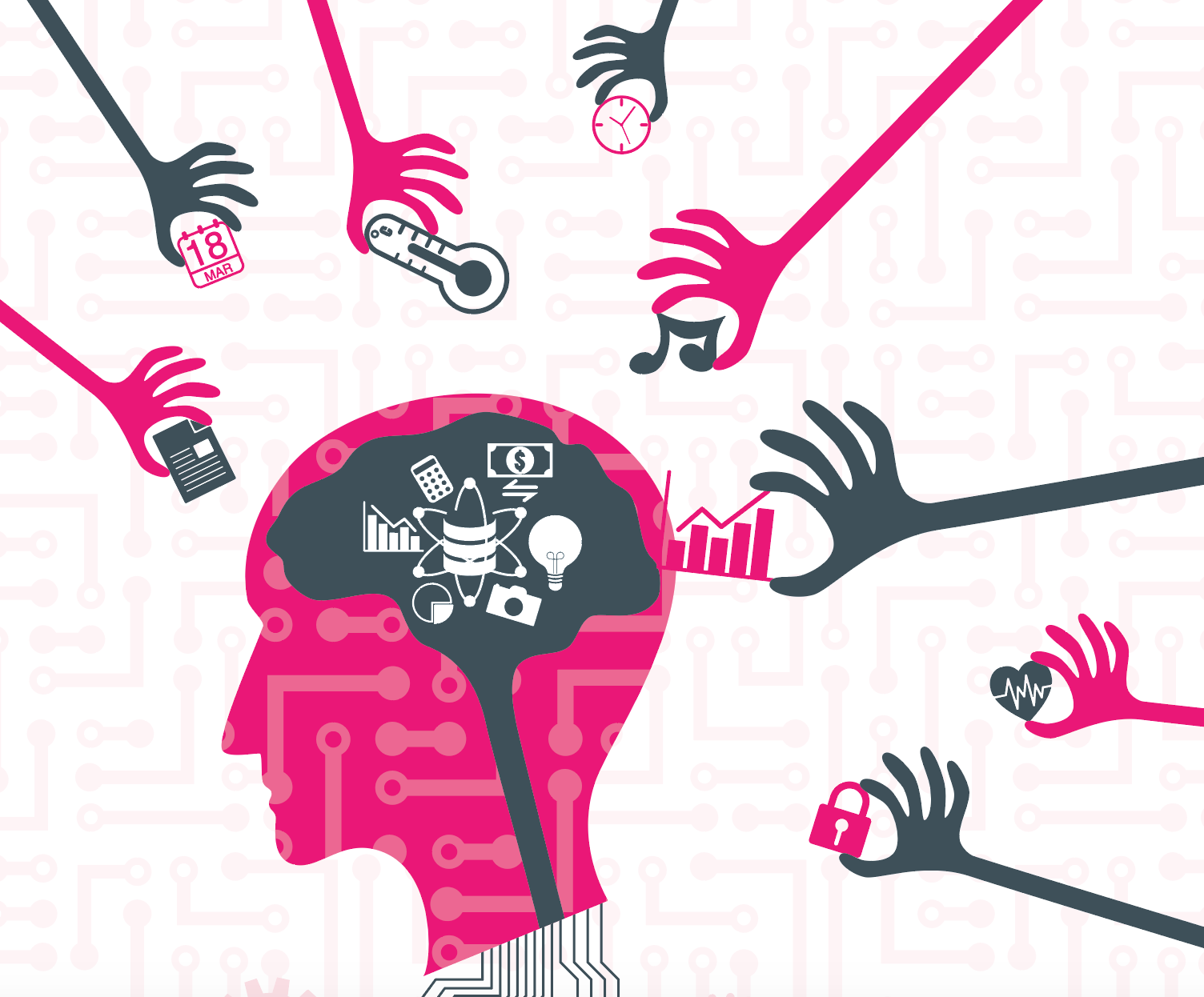
The 21st century is an age of speed, information overload, constant noise, and endless comparison. Yet despite technology, convenience, and global connection, many people feel disconnected — from themselves, their purpose, their values, and even their potential.
In a world where everything seems loud and urgent, becoming a whole person is not just a personal achievement; it is a survival skill, a competitive advantage, and a pathway to deep inner peace.
But what does it mean to be “whole”?
It means being grounded mentally, emotionally, physically, socially, and spiritually.
It means understanding who you are, what you value, and what you are becoming.
It means developing harmony between your inner world and your outer actions.
And most importantly, it means living intentionally rather than reactively.
This holistic guide explores how to grow into a balanced, resilient, and fully aligned version of yourself in the modern world.
Self-awareness is the ability to see yourself clearly — your strengths, weaknesses, motivations, patterns, and triggers. Without it, growth cannot begin.
Self-awareness turns unconscious habits into intentional choices.
Journaling, reflection, and mindfulness help you recognize what drives your actions.
Knowing yourself makes it easier to design a life aligned with your true values.
The modern world tries to tell you who to be.
Self-awareness helps you take that power back.
In the 21st century, emotional intelligence (EQ) is more valuable than raw talent.
EQ allows you to navigate relationships, manage stress, and express yourself with clarity.
Emotional maturity leads to better decisions and stronger relationships.
Recognizing your emotions prevents self-sabotage.
Learning empathy improves communication, leadership, and collaboration.
When you understand your emotions, they become tools — not obstacles.
Mental growth isn’t just about learning; it’s about expanding your perspective.
Lifelong learning builds adaptability — a crucial skill in a fast-changing world.
A growth mindset allows you to turn challenges into opportunities.
Reading, taking courses, and exploring new ideas keep your mind sharp and relevant.
A whole person never stops growing mentally.
Your physical health affects your clarity, productivity, mood, and motivation.
Regular movement boosts energy and reduces stress.
Nutrition supports cognitive performance and emotional balance.
Sleep restores the body and sharpens the mind.
Your body is the foundation of your daily experience — treat it with respect.
No one becomes whole in isolation.
Human connection shapes identity, purpose, and emotional stability.
Quality relationships matter more than quantity.
Surrounding yourself with supportive, growth-minded people elevates your potential.
Healthy boundaries protect your energy and peace.
A whole person builds communities that nourish them — not drain them.
Technology is powerful, but it can fragment your attention and weaken presence.
Reducing digital noise increases focus and emotional clarity.
Mindful tech use helps you stay present in real life.
Limiting online comparison strengthens self-esteem.
Being whole means using technology consciously, not compulsively.
Purpose is the compass of a whole person.
It gives your actions weight, your struggles meaning, and your success depth.
Purpose doesn’t have to be grand — it just has to be true to you.
Aligning your life with your values creates fulfillment.
A strong sense of meaning protects you during difficult seasons.
Without purpose, people feel lost even when they look successful.
Finances influence stress, opportunity, and peace of mind.
A whole person develops a healthy, intentional relationship with money.
Financial literacy builds independence.
Budgeting and minimalism reduce anxiety.
Investing in skills and assets creates long-term growth.
Money is not everything — but managing it wisely enhances every part of life.
Spirituality (in any form) gives you depth, perspective, and inner strength.
Practices like meditation, reflection, and gratitude cultivate inner peace.
Spiritual grounding helps you handle uncertainty with grace.
It reminds you that life is bigger than achievements and failures.
Spirituality is not about religion — it’s about rootedness.
To be whole is to be consistent — the same person in private and in public.
Integrity builds self-respect and trust.
When your actions reflect your values, you feel internally aligned.
Honesty with yourself promotes emotional and mental freedom.
Integrity is the quiet strength that holds the whole person together.
A whole person doesn’t just survive — they create, explore, and imagine.
Creativity helps you solve problems and express yourself.
Curiosity keeps life interesting and fuels innovation.
Exploration opens the door to new opportunities and perspectives.
Curiosity keeps the mind alive; creativity keeps the soul awake.
Life will test you. Growth will stretch you.
Resilience ensures you rise stronger each time.
Resilience is built through consistent self-care and support systems.
Failing forward turns obstacles into lessons.
Adaptability keeps you steady in a world that changes constantly.
Resilience turns challenges into stepping stones.
You don’t become a whole person in a day — or even in a year.
It is a continuous journey of unlearning, learning, adjusting, and evolving.
It is about becoming deeply connected to who you are, consistently working on what you can improve, and embracing the fullness of life with courage and clarity.
To be whole is to be:
mentally sharp
emotionally grounded
physically strong
financially stable
socially connected
spiritually centered
purpose-driven
creatively alive
resilient in the face of change
In the 21st century — a world of distraction, pressure, and constant speed — becoming a whole person is the most powerful thing you can do.
It’s not just personal growth.
It’s freedom.
It’s clarity.
It’s peace.
It’s strength.
It is becoming the person you were always meant to be.