


, Check Verification Solution Hub Groupes Pages Marketplace Evènements Blogs Financement Offres Emplois Courses Film Jeux Merits
 Terms and Conditions
 Legal & Business Law Agreement
 Child Safety & Policy
 App Installation Guide
 User Guide Page
 Investors & Partnership agreement
 About Us
 Flowisetech Earning Guide
 Terms of Use
 Politique de confidentialité
 Help
Help
 FAQs
FAQs
 Community Guidelines
 Our Purpose
 Withdrawal Terms
 Verification Terms
 Community Policy
Community-Based Programs That Support Youth Growth and Empowerment
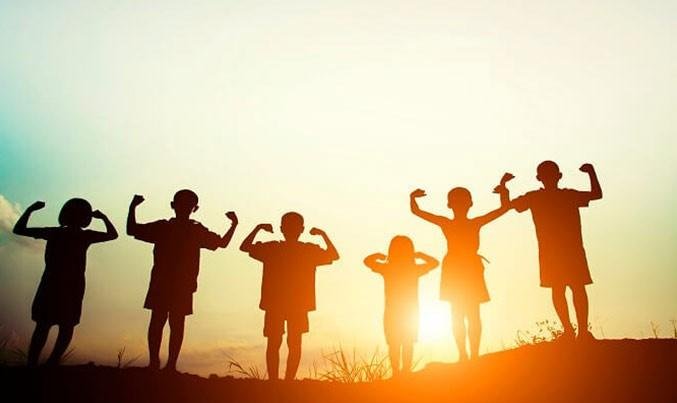
1. Introduction: Why Community Matters in Youth Development
Young people grow best when supported by a network — not just parents and schools, but also communities that provide opportunities, mentorship, and real-world exposure.
Community-based programs are essential because they:
-
Create safe spaces for learning
-
Offer mentorship and guidance
-
Build life and leadership skills
-
Provide emotional and social support
-
Empower young people to contribute positively to society
These programs help youth discover their interests, build confidence, and develop skills that prepare them for adulthood.
2. Types of Community-Based Programs That Empower Youth
Community programs vary widely, but they share one purpose: to build well-rounded, confident, skillful young individuals. Below are the major types and how each contributes to youth empowerment.
A. Mentorship and Leadership Programs
Mentorship programs connect young people with adults who guide them academically, emotionally, and professionally.
Key Benefits
-
Provide role models
-
Build confidence and self-esteem
-
Teach communication and social skills
-
Support career and academic planning
-
Reduce risky behaviors
Examples:
Community mentoring centers, youth leadership clubs, church youth groups, NGO mentorship programs.
B. Academic Support and Tutoring Programs
These programs help young people strengthen their academic performance and build strong study habits.
What They Offer
-
Homework assistance
-
After-school tutoring
-
STEM clubs
-
Reading programs
-
Exam preparation support
Impact
-
Improved academic performance
-
Better time management
-
Increased motivation to learn
-
Reduced school dropout rates
C. Skill Development and Vocational Training Programs
These prepare young people for real-world jobs and entrepreneurship.
Skills They Teach
-
Digital skills (coding, graphic design, digital marketing)
-
Handcrafting (tailoring, carpentry, beadwork)
-
Technical skills (mechanics, welding, electrical work)
-
Entrepreneurial skills (business basics, money management)
Why They Matter
-
Youth become employable
-
Reduces unemployment
-
Builds financial independence
-
Inspires innovation and creativity
D. Sports and Recreation Programs
Sports shape discipline, resilience, and teamwork.
Benefits
-
Improve physical and mental health
-
Teach teamwork and cooperation
-
Instill discipline and responsibility
-
Reduce stress and keep youth active
-
Create opportunities for scholarships and careers
Examples:
Football academies, basketball clubs, dance groups, martial arts centers, community gyms.
E. Arts, Culture, and Creative Expression Programs
Creative programs allow young people to explore their identity and express themselves in positive ways.
Activities Often Include
-
Music classes
-
Drama and theatre
-
Drawing, painting, and crafts
-
Photography and filmmaking
-
Cultural dance and storytelling
Impact on Youth
-
Boost self-esteem and confidence
-
Reduce stress and anxiety
-
Improve communication skills
-
Support identity development
F. Mental Health and Emotional Wellness Programs
These programs create safe spaces where youth can discuss challenges, learn coping skills, and develop emotional intelligence.
Common Elements
-
Peer support groups
-
Youth counseling sessions
-
Emotional resilience workshops
-
Seminars on stress, anger, and anxiety
-
Programs that build self-awareness and empathy
Why They’re Important
-
Improve emotional wellbeing
-
Prevent negative coping behaviors
-
Build confidence and self-control
-
Strengthen interpersonal skills
G. Community Service and Volunteer Programs
These teach young people the value of giving back.
Typical Activities
-
Environmental clean-ups
-
Charity outreach
-
Helping at orphanages or shelters
-
Community awareness campaigns
-
Supporting local events and programs
Benefits
-
Builds empathy and compassion
-
Enhances leadership and responsibility
-
Strengthens a sense of belonging
-
Helps youth develop civic responsibility
H. Technology, Innovation, and STEM Programs
The modern world requires digital fluency. Community tech programs prepare youth for the digital age.
They Offer
-
Coding and programming clubs
-
Robotics workshops
-
Tech labs and makerspaces
-
Digital innovation challenges
-
Online safety and digital citizenship training
Impact
-
Stimulates creativity
-
Prepares youth for future careers
-
Reduces the digital divide
-
Encourages problem-solving and innovation
I. Entrepreneurship and Financial Literacy Programs
These help youth become self-reliant, creative, and financially smart.
Key Lessons
-
How to start and manage a small business
-
Budgeting and saving
-
Understanding credit and debt
-
Investment basics
-
Marketing and branding skills
Benefits
-
Youth become income-generators
-
Reduces dependency and unemployment
-
Sparks innovation and ambition
-
Teaches responsibility and discipline
3. How Community Programs Empower Youth Long-Term
Community-based programs shape young people in ways that schools or families alone may not achieve.
Long-Term Impacts
-
Stronger self-esteem
-
Better decision-making
-
Greater resilience and adaptability
-
Improved academic and career outcomes
-
Strong sense of identity and purpose
-
Leadership and communication skills
-
Increased civic responsibility and social awareness
These programs create confident, empowered youth who contribute positively to their communities.
4. What Makes a Strong and Successful Youth Program?
Not all programs are created equal. Successful community-based programs share key qualities:
1. Accessibility:
Affordable or free, open to all young people.
2. Safe Environment:
Emotionally and physically secure.
3. Skilled and Caring Mentors:
Adults who genuinely want to support youth.
4. Structured but Flexible:
Clear goals but adaptable to young people’s needs.
5. Youth Participation:
Programs where youth have a voice in planning and decisions.
6. Consistency:
Regular schedules and long-term availability.
7. Real-Life Application:
Programs that teach skills youth can directly use.
When these elements align, youth feel supported, understood, and empowered.
5. How Communities Can Strengthen Youth Programs
Communities can improve youth empowerment by:
-
Providing safe spaces for programs
-
Supporting volunteers and mentors
-
Partnering with schools and local businesses
-
Funding youth activities and facilities
-
Offering scholarships and training materials
-
Encouraging parents to participate
-
Raising awareness so more youth join
A community grows stronger when its youth grow stronger.
6. Conclusion: Empowering Youth Empowers the Future
Community-based programs are more than activities — they are lifelines that shape the next generation. They help young people discover their strengths, build character, learn practical skills, and make meaningful contributions to society.
When communities invest in youth empowerment, they are investing in a future of brighter leaders, innovators, creators, and responsible citizens.
Empowered youth become empowered adults — and empowered adults transform communities.
If you want, I can also:
Catégories
- Make Money
- Product Review
- Social Media
- Excel
- Graphics design
- Freelancing/Consulting
- E-commerce and Digital Marketing
- Business
- Self Development
- Tips to Success
- Video Editing
- Photo Editing
- Website Promotion
- YouTube
- Computer
- Téléphone
- Music
- Spirituality & Faith
- École
- Tech & Digital
- Gaming
- News
- Digital Economy / Technology
- Relation
- Creative Arts & Design
- Medical
- Causes
- Networking
Lire la suite
Choosing the right dog collar is not just about functionality—it's a reflection of your pet's personality and your design taste. At tallfly, we understand that pet accessories are as much about style as they are about safety. Our range of China Dog Collar designs combines traditional craftsmanship with innovative materials, offering a solution that is both practical and visually...

What is Ruby? Ruby is a high-level, easy-to-read programming language created in the mid-1990s by Yukihiro Matsumoto (known as Matz).It was designed to be: ✔ Simple✔ Productive✔ Enjoyable to write Ruby focuses on making programmers happy by giving them a clean, readable, and flexible language. Why Ruby Is Popular 1. Very Easy to Learn Ruby has a clean, English-like syntax. Example: puts...

Here’s a detailed explanation of How Cryptocurrencies Work, including a step-by-step breakdown, key points, and technical insights. Introduction Cryptocurrencies are digital or virtual currencies that use cryptography for security. Unlike traditional currencies, they are decentralized, meaning no single entity (like a government or central bank) controls them. Instead, they rely on...

The digital age has changed how money is made. You no longer need multiple physical businesses, huge capital, or powerful connections to earn from more than one source. With a phone, internet access, and the right strategy, anyone can build multiple income streams—even while keeping a regular job. Here’s a clear, practical guide to doing it the smart way. 1. Start With One...

Finding fulfillment in your career is not just about earning a paycheck—it’s about aligning your passion with your profession. Too many people spend their lives in jobs that drain their energy, rather than fuel their creativity and purpose. The good news? It’s absolutely possible to build a career around what you love. With the right mindset, strategy, and persistence, you can...