


, Check Verification Solution Hub Groupes Pages Marketplace Evènements Blogs Financement Offres Emplois Courses Film Jeux Merits
 Terms and Conditions
 Legal & Business Law Agreement
 Child Safety & Policy
 App Installation Guide
 User Guide Page
 Investors & Partnership agreement
 About Us
 Flowisetech Earning Guide
 Terms of Use
 Politique de confidentialité
 Help
Help
 FAQs
FAQs
 Community Guidelines
 Our Purpose
 Withdrawal Terms
 Verification Terms
 Community Policy
The Discipline You Need to Achieve Anything
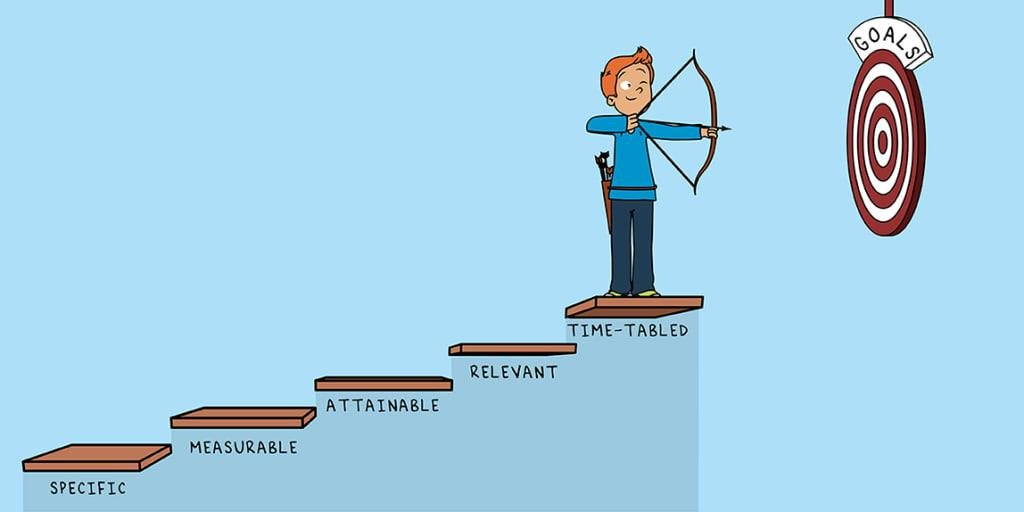
Discipline is the quiet force that separates those who dream from those who achieve. It is the bridge between intention and execution, desire and accomplishment, goals and results. While talent gives you potential and motivation gives you a spark, discipline gives you consistency—an unshakeable commitment to doing what needs to be done even when you don’t feel like doing it. Achieving anything meaningful—whether in your career, finances, health, relationships, or personal development—requires discipline as the foundational pillar.
Discipline is not punishment; it is self-respect. It is the ability to govern your actions, control your impulses, delay gratification, and act according to your values and long-term vision. It creates structure where chaos wants to exist, makes progress predictable, and transforms ordinary people into extraordinary achievers.
In a world filled with distractions, instant gratification, and constant noise, cultivating true discipline is a superpower. It unlocks levels of success that remain inaccessible to those who rely solely on motivation or emotion. This guide breaks down the form of discipline you need, the mindset behind unstoppable consistency, and the daily behaviors that make achieving anything possible.
Understanding the True Nature of Discipline
Before developing discipline, you must first understand what it is—and what it is not. Many people think discipline is about strict routines, harsh self-control, or forcing yourself into misery. But discipline is far more intelligent and purposeful.
Discipline Is a System, Not a Struggle
True discipline comes from building systems that support your goals. It is about designing your environment, habits, and routines in a way that makes success easier and failure harder.
For example:
-
If your goal is fitness, discipline means having a workout schedule and sticking to it.
-
If your goal is financial stability, discipline means budgeting and tracking expenses.
-
If your goal is self-improvement, discipline means reading consistently.
Discipline is not about doing more; it’s about doing the right things regularly.
Discipline Requires Identity, Not Just Willpower
You cannot rely on willpower alone. Willpower is limited. Identity, however, is powerful. When something becomes part of who you are, discipline becomes natural.
A disciplined person doesn’t have to force themselves to act—they behave consistently because it aligns with their identity.
Discipline Is Consistency Without Emotion
Motivation depends on feelings; discipline depends on commitment. When you are disciplined, you act regardless of fear, boredom, discomfort, laziness, or excuses. This emotional neutrality gives you unstoppable momentum.
Why Discipline Matters More Than Motivation
Motivation may start the journey, but discipline finishes it. Without discipline:
-
Projects remain half-done
-
Goals remain wishes
-
Dreams remain fantasies
-
Skills remain undeveloped
-
Potential remains unrealized
Discipline ensures you show up every day—even when it’s inconvenient or difficult. It transforms long-term goals into short-term actionable steps. It gives your life structure and reliability.
Discipline Creates Predictable Success
Success is not luck. It is the predictable outcome of disciplined behavior. Even small actions, repeated consistently, compound into massive results over time.
Discipline Builds Confidence and Self-Trust
Every time you keep a promise to yourself, you build self-respect. You begin to trust your own word. You feel capable, strong, and dependable. Confidence is not created by achievements; it is created by showing up consistently.
Discipline Reduces Stress and Decision Fatigue
Discipline simplifies life. When routines and habits are established, you no longer struggle with indecision. You know exactly what to do and when to do it. This creates clarity and mental peace.
Types of Discipline You Must Develop to Achieve Anything
To accomplish big goals, you must master multiple layers of discipline. Each one plays a unique role in shaping your behaviors, habits, mindset, and long-term outcomes.
Mental Discipline: Training Your Thoughts and Focus
The mind is the battlefield. Mental discipline is the ability to choose your thoughts, direct your attention, and control your internal narrative.
Elements of Mental Discipline
Focus Management
You must train yourself to concentrate deeply without distraction. In a world of notifications and digital noise, focus is rare—and powerful. Focused effort outperforms scattered effort.
Emotional Regulation
Mental discipline means responding instead of reacting. You learn to pause, breathe, and remain calm under pressure.
Controlling Negative Thoughts
You develop the ability to challenge limiting beliefs, silence mental resistance, and shift your internal dialogue.
Clarity of Purpose
Without clarity, the mind becomes chaotic. Mental discipline means knowing exactly what you want and why it matters.
Physical Discipline: Training Your Body to Support Your Goals
Your body either fuels your ambitions or slows them down. Physical discipline includes the habits and routines that maintain energy, strength, and vitality.
Core Components of Physical Discipline
Consistent Exercise
A strong body supports a strong mind. Regular physical activity increases discipline in every area of life.
Healthy Nutrition
Food directly affects cognitive function, mood, energy, and focus. Discipline in your diet creates discipline everywhere else.
Quality Sleep
Rest is part of discipline. Sleep restores the brain, enhances memory, increases willpower, and improves decision-making.
Daily Movement
Simple daily activities—walking, stretching, hydration—support physical and mental resilience.
Emotional Discipline: Mastering Your Reactions and Choices
Emotional discipline is the power to guide your actions based on logic and purpose rather than feelings and impulses.
Key Elements of Emotional Discipline
Delayed Gratification
Successful people choose long-term rewards over short-term pleasure. This is a cornerstone of achievement.
Staying Calm Under Pressure
Emotional discipline allows you to remain steady during chaos. You think clearly when others lose control.
Handling Stress Constructively
Instead of shutting down or panicking, you approach stress with strategic thinking.
Avoiding Impulsive Decisions
Emotional discipline prevents decisions based solely on excitement, fear, anger, or desire.
Behavioral Discipline: Showing Up Every Day
Behavioral discipline is the ability to take action consistently, regardless of mood. It is the foundation of high achievement.
Elements of Behavioral Discipline
Routine
Creating daily routines eliminates uncertainty and increases consistency.
Habit Building
Discipline thrives on habits, and habits thrive on repetition. Small consistent actions eventually become automatic.
Accountability
You hold yourself responsible. Even on difficult days, you do what needs to be done.
Consistent Effort
You work steadily, avoiding both burnout and laziness. Slow and steady progress builds unstoppable momentum.
Financial Discipline: Controlling Your Money, Not Letting Money Control You
Financial discipline is essential for anyone seeking independence, stability, or long-term success.
Elements of Financial Discipline
-
Budgeting
-
Tracking expenses
-
Saving and investing
-
Avoiding debt
-
Spending intentionally
-
Building emergency funds
Money is not only earned through skill; it is grown through disciplined management.
Discipline in Your Environment: Designing Spaces That Support Success
Your environment can either reinforce discipline or destroy it. The most successful people shape their surroundings to support their goals.
Ways to Build Environmental Discipline
-
Keep your workspace clean
-
Organize digital files
-
Remove distractions
-
Surround yourself with inspiring people
-
Create systems that reduce friction
Your environment should fuel your growth, not hinder it.
How to Build Discipline Even If You Have None
Discipline is a skill, not a personality trait. Anyone can develop it with intentional practice.
Start Small
Begin with tiny, manageable actions. Small wins build momentum, and momentum fuels discipline.
Set Clear Goals
Clarity makes discipline easier. Know what you want and why you want it.
Remove Temptations
Make failure harder to access. Reduce distractions, environmental triggers, and emotional triggers.
Use Habit Tracking
Tracking progress increases consistency and accountability.
Build Routines
Systems remove the need for motivation. When something is part of your routine, discipline becomes automatic.
Celebrate Small Wins
Rewarding progress reinforces disciplined behavior and strengthens identity.
Why People Fail at Discipline—and How to Avoid It
Most people struggle with discipline because they rely on:
-
Motivation instead of systems
-
Emotion instead of habits
-
Intensity instead of consistency
-
Unrealistic goals instead of small steps
-
Willpower instead of identity
To avoid these pitfalls, focus on building strong routines, supportive environments, and identity-based habits.
The Power of Long-Term Discipline
When discipline becomes part of your character, you no longer chase success—success is drawn to you. Discipline compounds over time, creating powerful results such as:
-
Higher income
-
Better health
-
Stronger relationships
-
Clearer thinking
-
Greater confidence
-
Mastery in your craft
-
Mental and emotional resilience
-
A deeper sense of purpose
Long-term discipline makes anything possible.
Final Reflection: Discipline Is the Engine of Achievement
Discipline is not a punishment but a pathway to freedom. When you are disciplined, you gain control over your life. You direct your energies toward what matters. You rise above distractions and excuses. You become someone your future self will thank.
Anyone can dream, but only the disciplined can achieve.
The life you want is built by the discipline you practice daily.
Catégories
- Make Money
- Product Review
- Social Media
- Excel
- Graphics design
- Freelancing/Consulting
- E-commerce and Digital Marketing
- Business
- Self Development
- Tips to Success
- Video Editing
- Photo Editing
- Website Promotion
- YouTube
- Computer
- Téléphone
- Music
- Spirituality & Faith
- École
- Tech & Digital
- Gaming
- News
- Digital Economy / Technology
- Relation
- Creative Arts & Design
- Medical
- Causes
- Networking
Lire la suite
“You are what you eat” applies not just to physical health but also mental well-being. The foods you consume directly influence your brain, mood, and energy levels. A balanced diet can improve focus, reduce anxiety, and support long-term mental health. How Nutrition Impacts Mental Health Omega-3 Fatty Acids (Fish, Walnuts, Flaxseeds): Boost brain function and reduce...

Have you ever had a brilliant mobile app idea but didn’t know where to start? The good news is—you don’t need to be a coding expert to turn your vision into reality. In this beginner-friendly guide, we’ll walk you through how to build your first mobile app step by step, even if you have zero technical experience. Whether you want to build an app for your business,...

Making at least ₦2,000 daily in Nigeria is very achievable, especially with consistency and the right approach. Below are some practical steps and key guides (both online and offline) that you can use to make money every day. Offline Options (Without Internet) 1. Resell Fast-Moving Items (Mini Importation or Local Wholesales) Buy small items in bulk (e.g., socks, phone accessories,...

You don’t need millions to build the next big tech company. In fact, some of the world’s biggest startups — like WhatsApp, Canva, and Mailchimp — began with small teams, limited budgets, and massive determination. In today’s digital age, starting a tech startup without a big budget is not only possible but smarter. With the right tools, mindset, and strategy, you...

Have you ever wondered why some people seem to attract wealth with ease while others constantly struggle, no matter how hard they work? The truth may lie not in their bank accounts, but in their beliefs. Many of us carry deep-rooted ideas about money—some inherited, others shaped by experiences—that quietly sabotage our financial progress. These beliefs are powerful. They operate...