


Refer and earn for every successful referral. Also, the most active user wins ₦5,000 in cash!
, Check Verification Solution Hub Groupes Pages Marketplace Evènements Blogs Financement Offres Emplois Courses Film Jeux Merits
 Terms and Conditions
 Legal & Business Law Agreement
 Child Safety & Policy
 App Installation Guide
 User Guide Page
 Investors & Partnership agreement
 About Us
 Flowisetech Earning Guide
 Terms of Use
 Politique de confidentialité
 Help
Help
 FAQs
FAQs
 Community Guidelines
 Our Purpose
 Withdrawal Terms
 Verification Terms
 Community Policy
From Self-Doubt to Self-Belief: A Guide for Nigerian Youths

Self-doubt is a quiet struggle many young Nigerians face. It shows up in unanswered questions—Am I good enough? Do I really have what it takes? What if I fail? In a country full of talent but limited opportunities, these doubts can feel heavy and constant. Yet, self-belief is not reserved for a lucky few; it is a skill that can be developed with intention and consistency.
This guide explores how Nigerian youths can move from uncertainty to confidence, from fear to courage, and from hesitation to purposeful action.
Understanding Self-Doubt in the Nigerian Context
Self-doubt often begins early. It can come from academic pressure, financial hardship, repeated rejection, or comparison with peers who appear to be “ahead.” Social media amplifies these feelings by presenting success without context, making many young people feel left behind.
For Nigerian youths, self-doubt is often fueled by:
-
Limited access to opportunities
-
Fear of public failure and social judgment
-
Economic uncertainty
-
Lack of guidance or mentorship
-
Constant comparison with others
Acknowledging these realities is important. Self-doubt is not a personal flaw; it is a response to pressure. What matters is how you respond to it.
The Cost of Living with Self-Doubt
Unchecked self-doubt can quietly limit potential. It can stop you from applying for scholarships, starting a business, learning a new skill, or speaking up in class or at work. Over time, it convinces you to settle for less—not because you lack ability, but because you lack belief.
Self-doubt does not protect you from failure; it only protects you from trying.
Shifting the Mindset: The First Step to Self-Belief
Self-belief begins with a mindset shift. Instead of asking “What if I fail?”, start asking “What can I learn?” Growth-focused thinking allows room for mistakes without damaging self-worth.
Key mindset shifts include:
-
Seeing failure as feedback, not a final verdict
-
Understanding that confidence grows through action
-
Accepting that no one starts fully prepared
Belief grows when you give yourself permission to be a learner.
Building Self-Belief Through Daily Practice
1. Start with Self-Awareness
Know your strengths, interests, and values. You may not be excellent at everything, but you are capable of something. Confidence grows when you focus on what you can build, not what you lack.
Ask yourself:
-
What skills am I curious about?
-
What problems do I enjoy solving?
-
What values guide my decisions?
Clarity creates direction, and direction builds belief.
2. Develop Skills That Create Confidence
Self-belief is stronger when supported by competence. Whether it is academics, technology, communication, creativity, or a trade, consistent learning builds confidence naturally.
Small improvements done daily compound into strong self-trust over time.
3. Take Action Before You Feel Ready
Many young people wait for confidence before acting, but confidence comes after action. Apply, attempt, speak, and try—imperfectly.
Every step you take is evidence that you are capable.
4. Learn to Control Your Inner Voice
Pay attention to how you talk to yourself. Replace harsh self-criticism with constructive self-talk.
-
Instead of “I can’t,” say “I am learning”
-
Instead of “I failed,” say “I gained experience”
Your inner voice shapes your confidence more than external opinions.
The Role of Community and Mentorship
No one builds self-belief alone. Surround yourself with people who encourage growth and accountability.
-
Seek mentors who have walked similar paths
-
Join communities that value learning and integrity
-
Reduce exposure to negative voices that reinforce fear
Healthy environments strengthen belief in yourself.
Turning Failure into a Teacher
Failure is often the turning point between self-doubt and self-belief. Each setback carries lessons that sharpen judgment, resilience, and skill.
When you fail:
-
Reflect honestly, without self-blame
-
Identify what you can improve
-
Adjust your approach and try again
Resilience is not avoiding failure—it is rising stronger because of it.
Staying Grounded While Growing Confident
True self-belief is not arrogance. It is quiet confidence rooted in humility and purpose. As you grow:
-
Stay open to learning
-
Respect others’ journeys
-
Measure success by growth, not comparison
Confidence and character grow best together.
Final Thoughts: Becoming Who You Are Meant to Be
Moving from self-doubt to self-belief is a journey, not a single decision. There will be days of uncertainty, but those days do not erase your potential. Each step forward—no matter how small—builds the confidence you seek.
As a Nigerian youth, your environment may be challenging, but your future is not limited by it. Self-belief begins when you decide to trust your ability to grow, adapt, and persist.
And that decision can start today.
Catégories
- Make Money
- Product Review
- Social Media
- Excel
- Graphics design
- Freelancing/Consulting
- E-commerce and Digital Marketing
- Business
- Self Development
- Tips to Success
- Video Editing
- Photo Editing
- Website Promotion
- YouTube
- Computer
- Téléphone
- Music
- Spirituality & Faith
- École
- Tech & Digital
- Gaming
- News
- Digital Economy / Technology
- Relation
- Creative Arts & Design
- Medical
- Causes
- Networking
Lire la suite
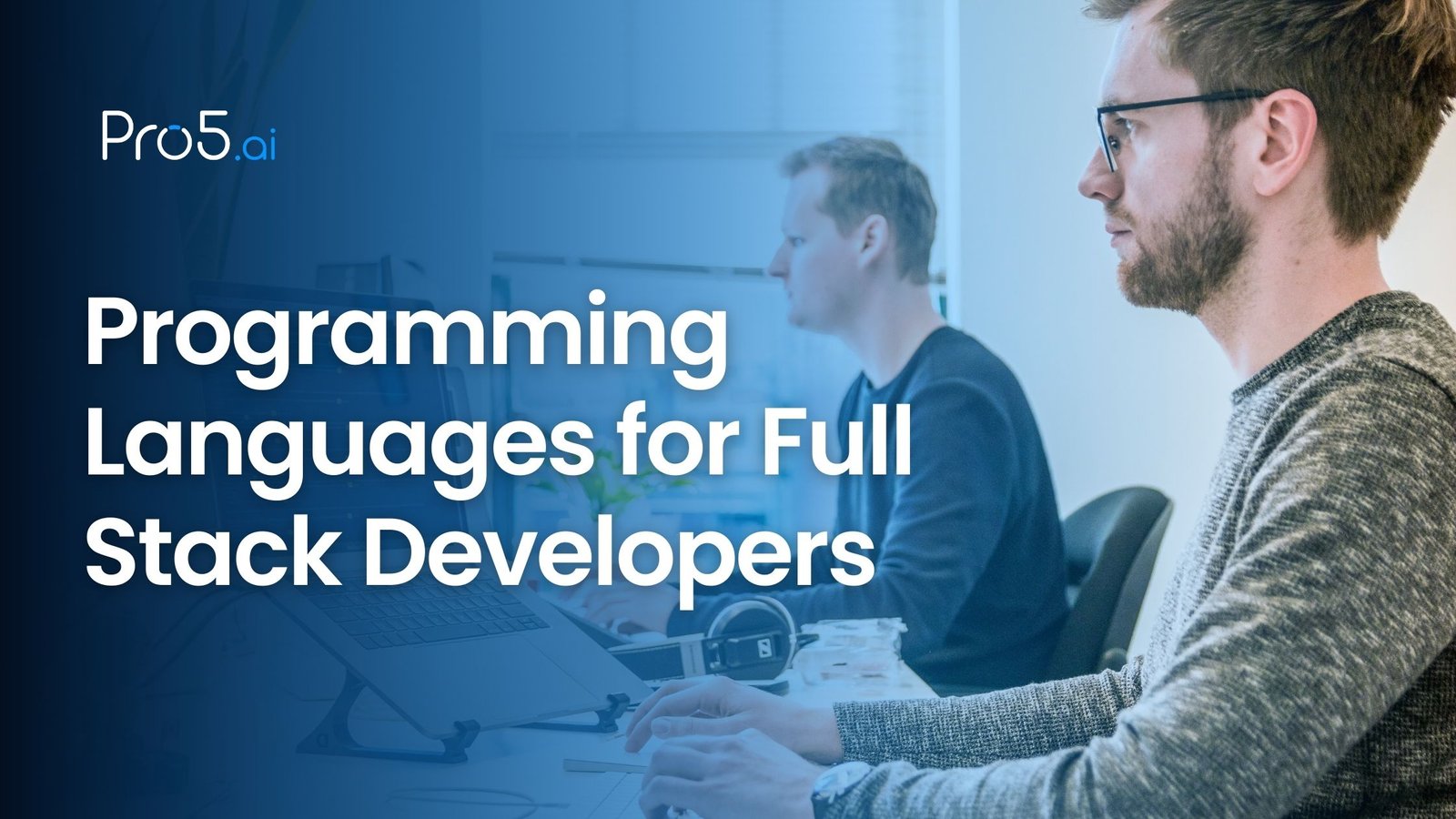
Here are the top 5 programming languages for beginners in 2025, along with the core reasons to start with each and their relevance in the tech industry: 1. Python Why Start With It: Simple and readable syntax — great for beginners. Large supportive community and tons of free tutorials. Widely used for automation, data science, web development, AI, and more....
Starting a business no longer requires huge capital or office space. In today’s digital world, you can build a profitable online business with zero investment—all you need is creativity, consistency, and the right strategy. Whether you’re a student, freelancer, or aspiring entrepreneur, this guide will show you step-by-step how to get started. Why Start an Online Business...

In a world where technology evolves rapidly, one major concern for beginners and professionals alike is this: “Will this skill still be relevant in the future?” While no skill is completely immune to change, some tech skills are future-proof—meaning they remain valuable despite technological shifts. These skills are not just tied to trends; they are built on foundational...

say no were smart because why should we invent something completely new He got his eyes on whether other fashion weeks might adopt similar criteria next particularly where like in there is a strong line up of smaller independent brands. Sure those labels have a presence but there are also young designers mixing fashion with art and performance evening wear for princesses even collections of...

Database design and modeling involve creating a structured framework for storing and organizing data. Here are some key concepts and steps in the process: Requirements Gathering: Understand the data needs of the application or organization. This involves discussing with stakeholders to identify what data needs to be stored and how it will be used. Conceptual Design: Create a...