

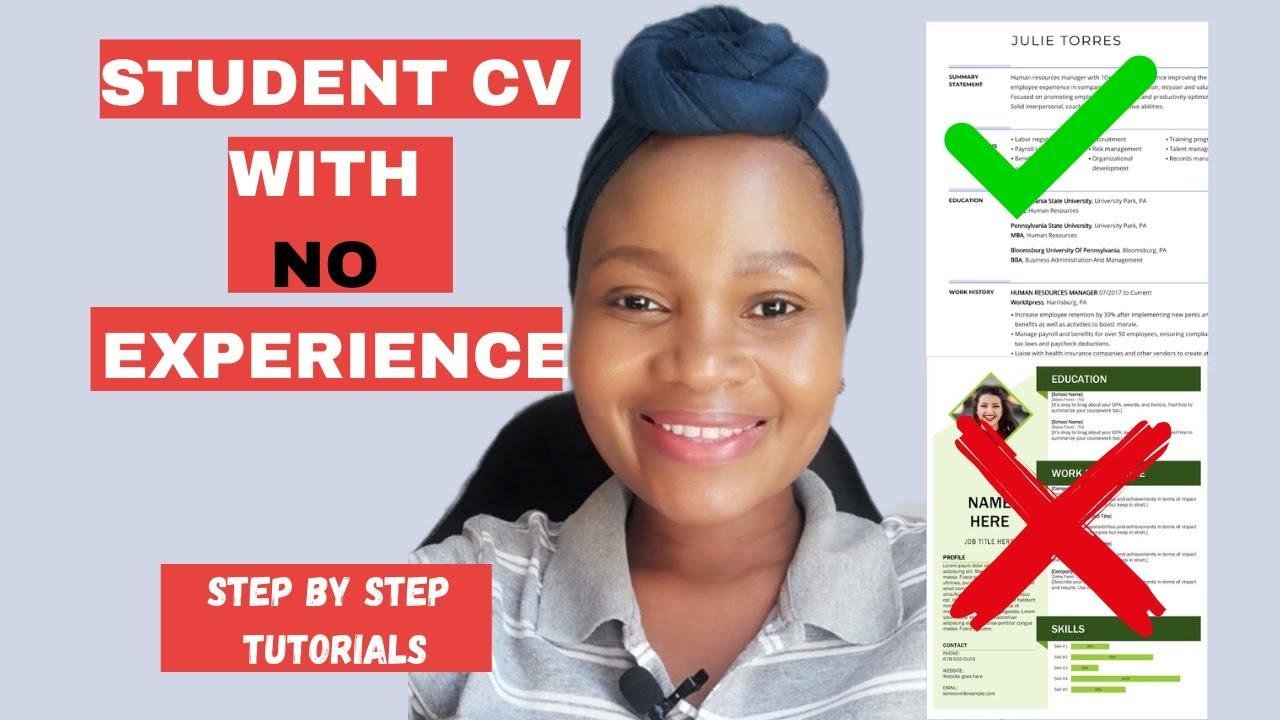
How to Build a CV With No Work Experience (A Complete Beginner’s Guide)
One of the most common challenges students and fresh graduates face is this question:
“How do I build a CV when I have no work experience?”
The good news is this: employers don’t only hire experience—they hire potential, skills, and attitude. Even without formal job experience, you can still create a strong, professional CV that opens doors.
This guide will show you step by step how to do it.
1. Understand What Employers Really Look For
When recruiters review entry-level CVs, they focus on:
-
Skills
-
Willingness to learn
-
Communication ability
-
Initiative and responsibility
They already know you may not have work experience. What matters is how you present what you do have.
2. Start With a Clear Professional Summary
Instead of listing work experience you don’t have, start with a professional summary.
Example:
Motivated university student with strong communication skills and basic digital knowledge. Passionate about learning, problem-solving, and contributing positively to team environments.
This section sets the tone and tells employers who you are.
3. Highlight Your Education Properly
Your education is your strongest asset at this stage.
Include:
-
Institution name
-
Course of study
-
Level or graduation year
-
Relevant coursework (optional)
Example:
B.Sc. Computer Science
University of Lagos (2022 – Present)
If your CGPA is good, include it. If not, you can leave it out.
4. Add Skills (This Is Very Important)
Skills can replace work experience—if presented correctly.
Types of skills to include:
-
Technical skills:
Microsoft Word, Excel, Canva, basic coding, data entry -
Soft skills:
Communication, teamwork, time management -
Digital skills:
Social media management, content writing, basic design
💡 Platforms like Flowisetech help students and youth acquire practical digital skills that can be confidently listed on a CV.
5. Include Academic Projects and Personal Work
You may not have worked for a company, but you’ve likely done:
-
School projects
-
Group assignments
-
Personal practice work
Example:
Academic Project:
Designed a basic website as part of a web development course using HTML and CSS.
Projects show practical ability, not just theory.
6. Add Online Courses, Certifications, and Training
Online learning counts—especially when it’s skill-based.
Include:
-
Online courses
-
Workshops
-
Bootcamps
-
Skill programs
Example:
Introduction to Digital Marketing – Flowisetech Learning Program
This shows initiative and continuous learning.
7. Volunteer Work and Leadership Roles Matter
If you’ve been:
-
A class rep
-
A group leader
-
A church or community volunteer
These count as experience.
Example:
Volunteer, Media Team
Assisted with content creation and event coordination.
Leadership and responsibility are highly valued.
8. Keep Your CV Simple and Professional
Avoid:
-
Too many colors
-
Long paragraphs
-
False information
CV formatting tips:
-
1 page only
-
Clear headings
-
Professional font
-
PDF format
Simplicity increases readability.
9. Add Contact Details and Online Presence
Include:
-
Phone number
-
Professional email
-
LinkedIn profile (if available)
-
Portfolio link (Google Drive, GitHub, Behance, etc.)
Building an online profile through platforms like Flowisetech helps students showcase skills and connect with opportunities.
10. Tailor Your CV for Each Opportunity
Don’t send the same CV everywhere.
Adjust:
-
Skills
-
Summary
-
Keywords
This increases your chances of getting shortlisted.
Sample CV Sections for Beginners
-
Personal Information
-
Professional Summary
-
Education
-
Skills
-
Projects / Training
-
Volunteer Experience
-
Certifications
Final Thoughts
Not having work experience does not mean you have nothing to offer.
What matters is:
-
How willing you are to learn
-
How well you present your skills
-
How prepared you are
With the right structure, honesty, and continuous improvement—your CV can stand out.
Key Takeaway
Skills + Projects + Good Presentation = A Strong Beginner CV