


Solution Hub Groups Pages Market Events Blogs Funding Offers Jobs Courses Movies Games Merits
 Terms and Conditions
 Legal & Business Law Agreement
 Child Safety & Policy
 App Installation Guide
 User Guide Page
 Investors & Partnership agreement
 Flowisetech ambassador policy
 About Us
 Flowisetech Earning Guide
 Terms of Use
 Privacy Policy
 Help
Help
 FAQs
FAQs
 Community Guidelines
 Our Purpose
 Withdrawal Terms
 Verification Terms
 Community Policy
How Young People Are Building Global Careers Without Leaving Home
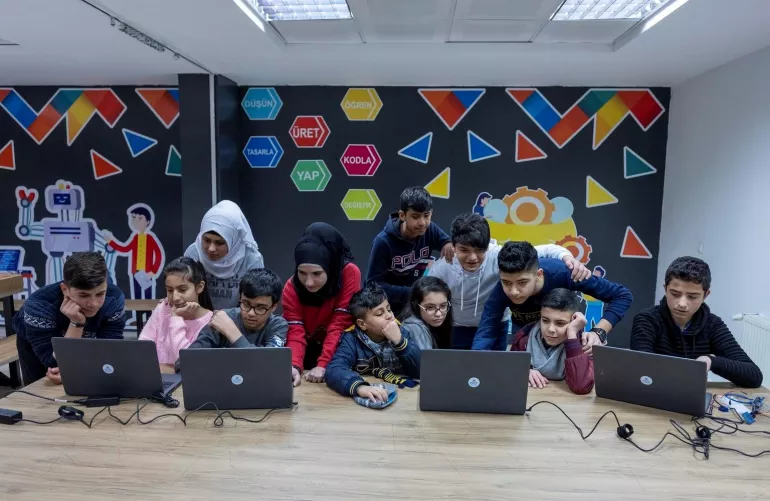
There was a time when building a “global career” meant one thing: leaving home.
You had to relocate to a big city, move abroad, or chase opportunities far away from your roots. For many young people, especially in emerging economies, that dream felt distant, expensive, or impossible.
Today, that story has changed.
Young people are now building international careers from their bedrooms, earning global income, and working with companies across continents—without crossing borders.
Here’s how it’s happening.
1. The World Has Gone Remote
The biggest shift is simple: work is no longer a place—it’s an activity.
Companies now care more about:
-
Results, not office attendance
-
Skill, not nationality
-
Communication, not location
Remote work has turned the globe into one labor market. If you can deliver value online, you can compete globally.
For young people, this means:
-
No visa stress
-
No relocation costs
-
No waiting for “connections abroad”
Just skill + internet.
2. Skills Have Become Global Currency
In today’s economy, skills travel better than passports.
High-demand skills include:
-
Software development
-
Graphic and UI/UX design
-
Content writing and copywriting
-
Digital marketing
-
Data analysis
-
Video editing
These skills are needed everywhere—and they can be learned anywhere.
A young person in Uyo, Nairobi, Accra, or Dhaka can serve clients in New York or Berlin as long as they deliver quality work.
3. Learning Is No Longer Locked Behind Universities
The internet has removed the monopoly on knowledge.
Young people are learning through:
-
Online courses
-
YouTube tutorials
-
Communities and forums
-
Practice-based projects
What matters most now is not where you learned, but what you can show.
Portfolios, GitHub pages, personal websites, and real projects speak louder than certificates.
4. Platforms Have Replaced Traditional Employers
Global careers are being built on digital platforms that connect talent to opportunity.
Examples include:
-
Freelancing platforms
-
Remote job boards
-
Creator platforms
-
Social networks like LinkedIn, X, and YouTube
These platforms allow young people to:
-
Find international clients
-
Build professional reputation
-
Earn in stronger currencies
-
Scale their visibility
Your profile is now your CV—and it’s visible worldwide.
5. Personal Branding Is the New Résumé
Young professionals are no longer waiting to be discovered—they’re showing their work publicly.
They:
-
Share insights online
-
Document what they’re learning
-
Teach what they know
-
Build trust before asking for opportunities
When people see your value consistently, opportunities come to you—often from outside your country.
Your online presence is your global introduction.
6. Payment Systems Have Closed the Gap
One of the biggest barriers before was getting paid.
Today, digital payment systems allow young people to:
-
Receive international payments
-
Work with foreign clients easily
-
Earn in dollars or euros
This has made global work practical, not just possible.
7. Community and Collaboration Make It Easier
Young people are not building global careers alone.
They join:
-
Online communities
-
Learning groups
-
Skill hubs
-
Digital ecosystems
These communities provide:
-
Support
-
Accountability
-
Opportunities
-
Shared growth
Collaboration has replaced competition.
Final Thought: You Don’t Have to Leave Home to Go Global
The new global career path doesn’t require migration—it requires adaptation.
Young people who are winning globally are not necessarily the smartest or richest. They are the ones who:
-
Learn relevant skills
-
Use the internet intentionally
-
Build visible value
-
Stay consistent
The world is now closer than ever.
You don’t need to leave home to go global.
You just need to plug into the right opportunities and do the work.
Categories
- Make Money
- Product Review
- Social Media
- Excel
- Graphics design
- Freelancing/Consulting
- E-commerce and Digital Marketing
- Business
- Self Development
- Tips to Success
- Video Editing
- Photo Editing
- Website Promotion
- YouTube
- Computer
- Phone
- Music
- Spirituality & Faith
- School
- Tech & Digital
- Gaming
- News
- Digital Economy / Technology
- Relationship
- Real Estate
- Creative Arts & Design
- Medical
- Causes
- Networking
Read More
Your life doesn’t transform overnight — it shifts gradually, day by day, with small choices that build momentum. In just 90 days, consistent daily habits can lead to a healthier body, clearer mind, stronger discipline, and a more purpose-driven life. Here are the daily habits that, when practiced consistently, can truly change your life: 1. Wake Up Early (5 AM - 6 AM) Why it...

A few years ago, many students believed that the only path to success was graduating, finding a job, and hoping life would work out. But things are changing fast. In 2026, students are making money, building businesses, and creating opportunities for themselves directly from their phones and laptops. The truth is, school education is important, but learning valuable online skills can...

There are seasons in life when everything feels like it's standing still. You wake up, go through the motions, and lie back down at night wondering what it all means. The days blend into each other, and a silent, restless question lingers in your chest: What am I really meant to be doing with my life? This feeling—of being lost, uncertain, or stuck—is more common than most people...

1. Freelancing (Online Jobs) Platforms: Upwork, Fiverr, Freelancer, Toptal Skills that pay well: Web development (HTML, CSS, JS, PHP, React, WordPress) Mobile app development (Flutter, React Native, Kotlin) Graphic/UI/UX design Data analysis (Excel, Python, Power BI) Copywriting & content writing Earning potential: Even one small gig (like...

Artificial Intelligence (AI) is no longer a concept reserved for science fiction movies or research laboratories. It has become a part of our everyday lives, quietly transforming the way we communicate, learn, work, shop, travel, and even make decisions. Whether you realize it or not, AI is already shaping your future. As technology continues to evolve at an unprecedented pace, understanding...