

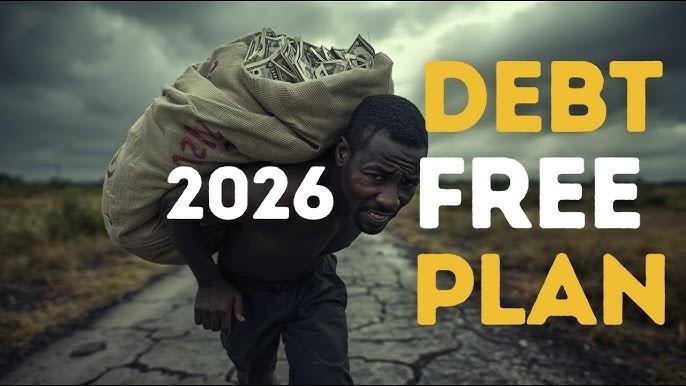

Starting a new year debt-free is more than a financial goal—it’s a transformative life choice. For young adults, entering 2026 without debt can reduce stress, increase financial confidence, and set the stage for wealth accumulation. While debt is often unavoidable in early adulthood, strategic planning, disciplined habits, and financial literacy can make a debt-free start realistic and sustainable.
1. Understand Your Financial Reality
The first step toward financial freedom is knowing exactly where you stand. Take a comprehensive look at your debts:
-
List every obligation: Credit cards, student loans, personal loans, unpaid bills, and any recurring liabilities.
-
Record key details: Total amount owed, interest rates, minimum monthly payments, and due dates.
-
Analyze your financial behavior: How did you accumulate this debt? Is it from overspending, emergencies, or poor planning?
Understanding your current financial situation allows you to make informed decisions. Knowledge is power: once you see the full picture, you can prioritize the most effective strategies to eliminate debt.
2. Create a Detailed Budget
A budget is not just about restricting spending—it’s a roadmap to financial freedom. Follow these steps:
-
Track all income and expenses: Use apps, spreadsheets, or even a simple notebook to monitor cash flow.
-
Separate needs from wants: Essentials include rent, utilities, groceries, and transportation. Non-essentials—like dining out, subscriptions, or entertainment—can be reduced.
-
Allocate specifically for debt repayment: Dedicate a fixed portion of your income to debt each month. Even small, consistent payments create momentum.
For example, the 50/30/20 rule is a simple approach: 50% for essentials, 30% for discretionary spending, and 20% for debt repayment and savings. Adjust this according to your income and debt priorities.
3. Prioritize High-Interest Debt
All debts are not equal. High-interest debt—like credit cards or payday loans—grows rapidly, making it harder to escape. Experts recommend two key strategies:
-
Debt avalanche method: Focus on paying off the highest-interest debt first while making minimum payments on others. This minimizes interest accumulation.
-
Debt snowball method: Start with the smallest debts to gain psychological momentum. Paying off even a small balance provides motivation to tackle larger debts.
Example: If you owe $1,500 on a credit card at 20% interest and $5,000 on a student loan at 5% interest, paying extra toward the credit card first saves money in interest while speeding up repayment.
4. Avoid Accumulating New Debt
To start 2026 debt-free, you must stop creating new liabilities. Practical steps include:
-
Limit credit card usage: Pay with cash or debit to avoid interest charges.
-
Delay non-essential purchases: Ask yourself if you truly need an item or if it can wait.
-
Build discipline through small wins: Even skipping one luxury item per week can free up hundreds of Naira for debt repayment over a year.
5. Increase Your Income Streams
Reducing debt is easier when you can increase your cash flow. Consider:
-
Side hustles: Freelancing, tutoring, or online gigs can generate extra income.
-
Monetize skills or hobbies: Photography, graphic design, coding, or writing can provide flexible earning opportunities.
-
Temporary part-time work: Even a short-term role can help you make a significant dent in debt.
Extra income should primarily go toward paying off debt rather than lifestyle upgrades. This accelerates your journey to debt freedom.
6. Build an Emergency Fund
While paying off debt, unexpected expenses—like medical emergencies or urgent repairs—can derail your plans. An emergency fund acts as a safety net:
-
Start small: Aim for at least 1 month’s essential expenses. Gradually increase it to 3–6 months over time.
-
Keep it accessible but separate: Use a savings account that is easy to access but not for daily spending.
This fund ensures that you don’t rely on new debt when life throws surprises your way.
7. Commit to Long-Term Financial Habits
Debt freedom is a lifestyle, not a one-time achievement. To maintain it:
-
Track and review expenses regularly: Weekly check-ins prevent overspending.
-
Invest in financial literacy: Learn about budgeting, investing, and wealth-building strategies.
-
Automate payments and savings: Reduce the risk of missed deadlines and ensure consistency.
-
Plan for future goals: Once debt-free, focus on investments, savings for homeownership, or retirement planning.
Key Takeaways for Young Adults
-
Know your debt: Transparency is the first step toward freedom.
-
Budget smartly: Structure your income and prioritize repayment.
-
Target high-interest debt first: Save money on interest and reduce debt faster.
-
Avoid new debt: Discipline is essential for long-term freedom.
-
Increase income: Side hustles accelerate repayment.
-
Build a safety net: Emergency funds prevent setbacks.
-
Adopt sustainable habits: Financial literacy and consistency lead to lasting freedom.
Starting 2026 debt-free is not just a financial milestone—it’s a foundation for independence, growth, and empowerment. By combining self-awareness, planning, and disciplined action, young adults can transform their finances, reduce stress, and enter the new year with confidence.