


, Check Verification Solution Hub Groupes Pages Marketplace Evènements Blogs Financement Offres Emplois Courses Film Jeux Merits
 Terms and Conditions
 Legal & Business Law Agreement
 Child Safety & Policy
 App Installation Guide
 User Guide Page
 Investors & Partnership agreement
 About Us
 Flowisetech Earning Guide
 Terms of Use
 Politique de confidentialité
 Help
Help
 FAQs
FAQs
 Community Guidelines
 Our Purpose
 Withdrawal Terms
 Verification Terms
 Community Policy
How Discipline Beats Motivation in Achieving Financial Goals
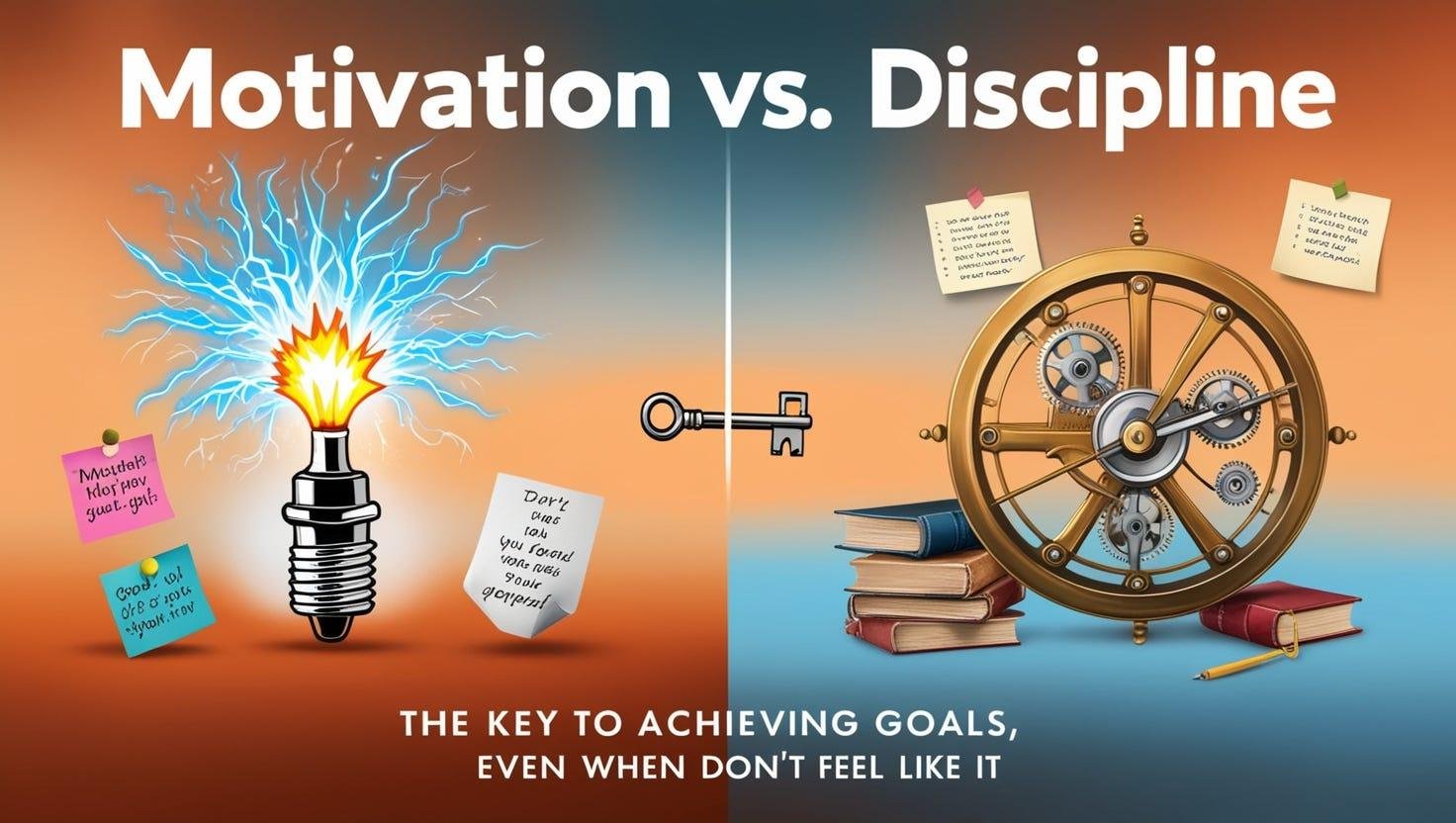
When it comes to achieving financial goals, many young adults rely on motivation—the excitement of a new plan, the thrill of potential rewards, or the fear of missing out. While motivation can spark action, it is often temporary, inconsistent, and unreliable. In contrast, discipline is the steady, structured practice that drives long-term financial success, regardless of mood or circumstances. Understanding the difference between these two forces is key to achieving lasting wealth.
1. Motivation is Fleeting; Discipline is Consistent
Motivation is an emotional response that comes and goes. You might feel inspired to start budgeting or investing after reading a financial article or hearing a success story—but that energy can fade in days, hours, or even minutes.
Discipline, on the other hand, relies on habit, routine, and commitment. Financially disciplined individuals:
-
Stick to a budget even when they feel like spending
-
Contribute to savings and investments regularly, regardless of immediate desire
-
Make financial decisions based on long-term goals, not short-term impulses
Example: Even on a day you feel unmotivated, a disciplined saver will transfer 10% of their income to an investment account automatically. Motivation alone would likely fail in this scenario.
2. Discipline Creates Predictable Progress
Financial goals—whether paying off debt, saving for a home, or investing for retirement—require consistent actions over time. Discipline ensures that small, incremental steps accumulate into significant results.
-
Debt repayment: Making consistent extra payments toward high-interest loans reduces total interest faster than occasional bursts of effort fueled by motivation.
-
Savings: Contributing to an emergency fund monthly, regardless of mood, builds security gradually.
-
Investments: Regular contributions to retirement or mutual funds benefit from compounding over years, a strategy that requires consistency, not occasional enthusiasm.
Fact: Research shows that consistency and habits are more predictive of financial success than short-term bursts of motivation.
3. Discipline Reduces Emotional Spending
Impulse purchases and lifestyle inflation are often triggered by emotion—boredom, peer pressure, or the thrill of instant gratification. Motivation alone is unlikely to prevent these behaviors, as emotions fluctuate.
Discipline helps financial goals prevail over temporary urges:
-
Setting spending limits and sticking to them
-
Automating savings and bill payments
-
Planning purchases ahead of time with a clear “need vs. want” distinction
This controlled approach minimizes debt accumulation and maximizes financial stability.
4. Discipline Builds a Financial Routine
Creating a disciplined routine makes financial management automatic rather than forced. Examples of routines include:
-
Reviewing expenses weekly or monthly
-
Automating transfers to savings or investment accounts
-
Scheduling regular financial check-ins for goal tracking
Over time, these routines replace motivation-dependent efforts with habitual actions that reliably produce results.
5. Discipline Ensures Long-Term Vision Over Short-Term Emotions
Motivation often focuses on immediate gratification—“I want to buy this now” or “I want to see results quickly.” Discipline keeps attention on long-term objectives:
-
Paying off debt systematically instead of chasing temporary “feels good” rewards
-
Investing consistently, even when the market seems unexciting or risky
-
Maintaining frugal habits to enable larger future investments
This long-term mindset protects financial goals from being derailed by temporary impulses.
Key Takeaways
-
Motivation sparks action, discipline sustains it. Motivation gets you started; discipline ensures you finish.
-
Consistency beats intensity. Small, regular contributions to savings, debt repayment, or investments compound faster than occasional bursts of effort.
-
Habits override emotion. Discipline reduces emotional spending and ensures smart financial decisions.
-
Routine builds freedom. Structured financial habits free you from constantly relying on willpower or emotional highs.
-
Long-term vision is protected. Discipline prioritizes lasting financial goals over immediate gratification.
Conclusion:
Motivation is like a spark—it can ignite your journey toward financial goals—but discipline is the steady flame that keeps it burning. By building disciplined habits, automating processes, and maintaining long-term focus, young adults can achieve financial independence, pay off debt, save strategically, and invest wisely—regardless of whether they “feel motivated” on any given day.
Catégories
- Make Money
- Product Review
- Social Media
- Excel
- Graphics design
- Freelancing/Consulting
- E-commerce and Digital Marketing
- Business
- Self Development
- Tips to Success
- Video Editing
- Photo Editing
- Website Promotion
- YouTube
- Computer
- Téléphone
- Music
- Spirituality & Faith
- École
- Tech & Digital
- Gaming
- News
- Digital Economy / Technology
- Relation
- Creative Arts & Design
- Medical
- Causes
- Networking
Lire la suite
Here’s a concise guide on Creating and Analyzing Malware, focusing on Sandboxing and Reverse Engineering Basics, along with key points: Creating and Analyzing Malware (For educational and ethical cybersecurity research only) 🔐 Disclaimer Malware creation and analysis should only be conducted in controlled, legal environments (e.g., for cybersecurity education, research, or...

In any outdoor setting—whether it’s a construction site, a public event, or a traffic rerouting project—safety and visibility are top priorities. One of the most effective tools to achieve this is the use of outdoor colour barricades. These highly visible barriers help prevent accidents, restrict access, and guide pedestrians or vehicles, all while standing up to harsh weather...

Below is an in‐depth example and explanation of how to create a custom blog WordPress theme that includes key features such as widget areas, Theme Customizer options, and custom post types. The guide is organized into a suggested file/folder structure, code examples in PHP, HTML, JS, and CSS, and explanations for each key point. 1. File and Folder Structure A well-organized theme might have...

When people think about success, they often imagine it as the product of raw talent. The gifted athlete, the natural-born leader, the brilliant student—all of them seem destined for greatness. But if you look closer, you’ll see a different truth: talent may start the race, but discipline finishes it. Self-discipline is the quiet force behind every long-term success story. It...
Graduating from school or university is more than collecting a certificate—it’s about stepping into the world prepared, confident, and resilient. While academic success is important, self-development habits are the real game changers. They shape character, influence decisions, and fuel lifelong growth. Below are 10 essential self-development habits every student should aim to...