


Our Information Center
 Terms and Conditions
 Legal & Business Law Agreement
 Child Safety & Policy
 Referral Tearms
 App Installation Guide
 About Us
 Flowisetech Earning Guide
 Terms of Use
 Politique de confidentialité
 Help
Help
 FAQs
FAQs
 Community Guidelines
 Our Purpose
 Withdrawal Terms
 Verification Terms
 Community Policy
The Real Reason Most Young People Stay Broke (It’s Not Spending)
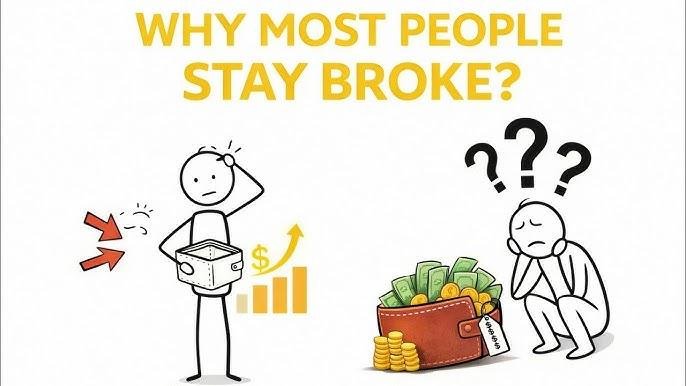
When money is tight, the usual advice shows up fast: “Stop spending so much.”
Cut coffee. Avoid outings. Live minimally.
But here’s the uncomfortable truth—most young people aren’t broke because they spend too much.
They’re broke because of something deeper and more structural.
Spending Is Visible. The Real Problem Is Not.
Spending is easy to blame because it’s obvious. You can see where money goes.
But many young people already:
-
Budget carefully
-
Avoid luxury lifestyles
-
Live modestly or with family
-
Delay personal goals
Yet they’re still broke.
That’s because you can’t save your way out of low income.
The Core Problem: Low Earning Power
The real reason many young people stay broke is limited earning leverage.
Most are stuck in systems where:
-
Income is fixed
-
Raises are slow or uncertain
-
Effort doesn’t scale
-
Time is the only asset sold
Even perfect discipline can’t overcome an income ceiling.
Time-for-Money Is a Trap
When income depends entirely on hours worked:
-
Missing work means missing pay
-
Growth is capped
-
Burnout is common
-
Financial stress never fully disappears
This model worked when costs were low and jobs were stable.
It’s failing in today’s economy.
Education Didn’t Teach Monetization
Many people learned:
-
How to pass exams
-
How to follow instructions
-
How to seek employment
But not:
-
How to create value
-
How to price skills
-
How to earn independently
-
How money systems actually work
This gap keeps people financially stuck—even when they’re intelligent and hardworking.
Another Silent Killer: Waiting Culture
A lot of young people are waiting:
-
For the “right job”
-
For promotion
-
For government support
-
For permission to start
Waiting feels safe—but it quietly drains years of earning potential.
What Actually Changes the Financial Equation
1. Increasing Income, Not Just Cutting Costs
Cost control helps—but income growth changes lives.
Focus on:
-
Skills that pay globally
-
Digital and remote opportunities
-
Side projects that can scale
2. Leverage Over Hustle
Working harder has limits. Leveraged systems don’t.
Examples:
-
Content that earns repeatedly
-
Digital products
-
Referral and affiliate systems
-
Platforms that reward contribution
Leverage turns effort into assets.
3. Learning How Money Moves
Wealth is less about saving and more about:
-
Cash flow
-
Value creation
-
Distribution
-
Systems
Understanding these shifts your decisions permanently.
The Truth No One Likes to Admit
Most young people aren’t irresponsible.
They’re under-earning in a high-cost world.
Blaming spending hides the real issue and delays real solutions.
Final Thoughts
Yes, discipline matters.
Yes, budgeting helps.
But the real escape from being broke comes from:
-
Increasing earning power
-
Building scalable income
-
Owning skills and systems
-
Stopping the wait-and-hope cycle
Stop asking only “How do I spend less?”
Start asking “How do I earn more—smarter?”
Because broke is rarely a spending problem. It’s an income and leverage problem.
Catégories
- Make Money
- Product Review
- Social Media
- Excel
- Graphics design
- Freelancing/Consulting
- E-commerce and Digital Marketing
- Business
- Self Development
- Tips to Success
- Video Editing
- Photo Editing
- Website Promotion
- YouTube
- Computer
- Téléphone
- Music
- Spirituality & Faith
- École
- Tech & Digital
- Gaming
- News
- Digital Economy / Technology
- Relation
- Creative Arts & Design
- Medical
- Causes
- Networking
Lire la suite
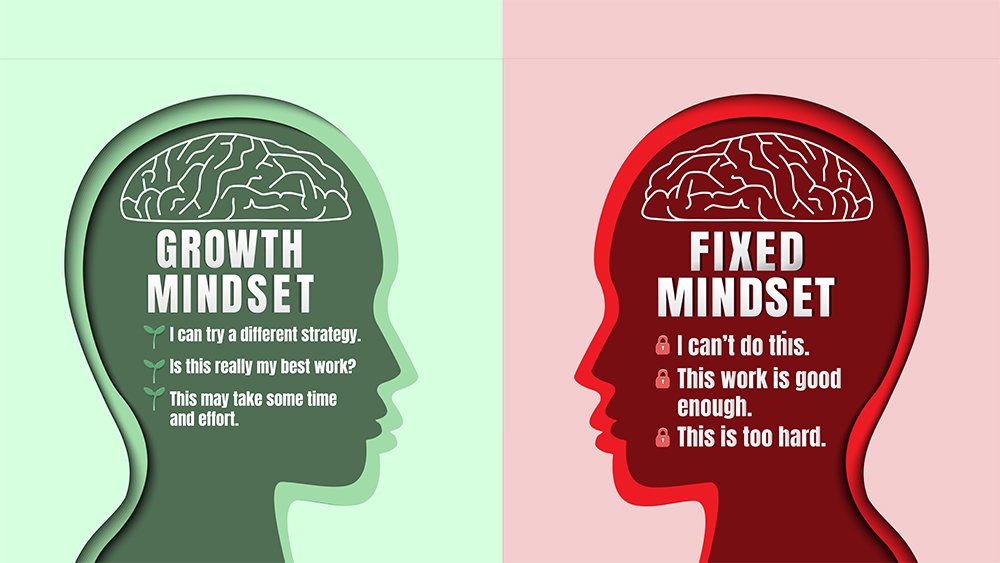
In the journey of personal and academic development, one powerful idea quietly shapes how we learn, face challenges, and ultimately, how far we go. It’s the concept of mindset. Coined and popularized by psychologist Carol Dweck, the terms “growth mindset” and “fixed mindset” describe two distinct ways people view their abilities and potential. This fundamental...
For generations, education was sold as the safest path to success: go to school, get good grades, earn a degree, and secure a good job. But for many young people today, that promise feels broken. Degrees are more common, jobs are scarcer, and the cost of education keeps rising. It’s no surprise that many now feel education is a scam. But the problem isn’t learning...

Holiday seasons are some of the most profitable times of the year. From Christmas lights to New Year decor, people are always willing to spend money to make their homes, offices, and events look special. What many don’t realize is that this demand creates a powerful opportunity: you can turn holiday decorations into a real business. Whether you’re creative, enjoy crafting, or...

Bola Tinubu external borrowing, $2.3 billion new loan, sovereign sukuk, Nigeria debt refinancing, Nigeria budget support, Nigeria sovereign debt, parliamentary approval new borrowing Nigeria In a bold move to bolster Nigeria’s fiscal space, President Bola Tinubu has formally requested that the National Assembly approve $2.3 billion in new external borrowing and the issuance of a $500...

Here are the Top 10 Ethical Hacking Terms You Must Know: Penetration Testing (Pentesting) The process of simulating cyberattacks on a system, network, or application to identify vulnerabilities before malicious hackers can exploit them. Vulnerability A weakness or flaw in a system, application, or network that can be exploited by attackers to gain unauthorized access....