


Refer and earn for every successful referral. Also, the most active user wins ₦5,000 in cash!
, Check Verification Solution Hub Groups Pages Market Events Blogs Funding Offers Jobs Courses Movies Games Merits
 Terms and Conditions
 Legal & Business Law Agreement
 Child Safety & Policy
 App Installation Guide
 User Guide Page
 Investors & Partnership agreement
 About Us
 Flowisetech Earning Guide
 Terms of Use
 Privacy Policy
 Help
Help
 FAQs
FAQs
 Community Guidelines
 Our Purpose
 Withdrawal Terms
 Verification Terms
 Community Policy
From Hustle to Strategy: Why Hard Work Alone Won’t Make You Rich

In many developing economies, especially across Africa, young people are taught one dominant success principle: work hard and you will succeed.
Hard work is honorable. It builds character. It creates discipline.
But here is the uncomfortable truth:
Hard work alone does not create wealth. Strategy does.
If hard work automatically made people rich, then construction workers, farmers, artisans, and street traders would be the wealthiest people in society. Yet many of them work longer hours and endure tougher conditions than corporate executives or tech founders.
So what is missing?
The answer is simple but powerful: leverage, systems, and strategic thinking.
The Hustle Mentality: Where It Helps — and Where It Fails
The hustle mentality is built on survival. It says:
-
Work longer hours
-
Take multiple jobs
-
Say yes to every opportunity
-
Stay busy at all costs
While hustle can help you escape poverty temporarily, it often traps you in a cycle of exhaustion. You earn based on effort. The moment you stop working, income stops.
This model has three major limitations:
1. Time Is Limited
You only have 24 hours a day. If your income depends solely on your time, your earning capacity is capped.
2. Energy Declines
Human energy is finite. Hustle without structure leads to burnout.
3. No Scalability
If your income doesn’t grow without increasing effort, you’re not building wealth — you’re renting survival.
Wealth, on the other hand, is built on scalable systems.
Strategy: The Wealth Multiplier
Strategy shifts the focus from effort to leverage.
Instead of asking:
“How can I work more?”
Strategic thinkers ask:
“How can I earn more from the same effort?”
Here are the core pillars that separate hustlers from builders.
1. Leverage Over Labor
Leverage means using tools, people, technology, or systems to multiply output.
Examples:
-
A digital creator records one course and sells it 1,000 times.
-
A software developer builds an app once and earns from subscriptions.
-
An entrepreneur hires a team to expand operations.
In each case, income is not directly tied to personal hours worked.
Hard work builds income.
Leverage builds wealth.
2. Skill Positioning Matters More Than Effort
Two people can work equally hard but earn vastly different incomes.
Why?
Because income is influenced by:
-
Demand for the skill
-
Scarcity of the skill
-
Value created by the skill
A young person mastering AI tools, digital marketing, or software development can earn more with fewer hours than someone doing manual labor — not because they work harder, but because their skills are strategically positioned.
The question is not:
“Am I working hard?”
The question is:
“Am I working on something valuable and scalable?”
3. Systems Create Freedom
A system is a repeatable process that generates results consistently.
Businesses that scale are system-driven:
-
Clear processes
-
Automated payments
-
Marketing funnels
-
Delegated responsibilities
If everything depends on you personally, you don’t own a business — you own a demanding job.
Wealth grows when:
-
Revenue continues without constant supervision
-
Customers come through structured channels
-
Processes are documented and repeatable
4. Strategic Thinking Requires Long-Term Vision
Hustle focuses on today’s bills.
Strategy focuses on long-term assets.
Assets include:
-
Digital products
-
Intellectual property
-
Investments
-
Brand equity
-
Networks
-
Equity in businesses
Strategic individuals think in years, not days.
Instead of asking:
“How do I make money this week?”
They ask:
“What can I build this year that pays me for the next five years?”
The Psychology Shift: From Survival to Ownership
One of the biggest mindset transformations for young people is moving from survival thinking to ownership thinking.
Survival mindset says:
-
I need money now.
-
I can’t take risks.
-
Let me just manage.
Ownership mindset says:
-
I will build something.
-
I will invest in skills.
-
I will delay comfort for expansion.
Wealth requires patience. Strategy requires clarity. Both demand discipline.
Practical Steps: Moving From Hustle to Strategy
If you are a young person trying to transition, here are practical actions:
1. Audit Your Income
Is your income dependent on your physical presence?
If yes, how can you introduce scalability?
2. Invest in High-Leverage Skills
Focus on:
-
Digital skills
-
Technology
-
Marketing
-
Product development
-
Communication
-
Financial literacy
3. Build Assets, Not Just Income
Instead of only earning and spending:
-
Create a product
-
Start building a personal brand
-
Invest consistently
-
Document your knowledge
4. Learn to Say No
Not every opportunity deserves your time.
Strategic people prioritize focus over busyness.
5. Track Systems, Not Just Money
Ask:
-
What process brought this income?
-
Can it be repeated?
-
Can it be automated or delegated?
Hard Work Is a Foundation — Not the Destination
Let’s be clear:
Hard work is necessary. Laziness does not create wealth.
But hard work without direction becomes exhaustion.
Hard work without leverage becomes limitation.
Hard work without strategy becomes stagnation.
The wealthiest individuals in today’s digital economy do not necessarily work more hours than everyone else. They work smarter systems, scalable models, and high-value ideas.
Final Thought
If you are a young person striving for financial growth, remember this:
Hustle can start your journey.
Strategy determines where you end up.
Do not just work harder.
Work smarter.
Build assets.
Think long term.
Design systems.
Because in today’s world, effort earns income — but strategy builds wealth.
Categories
- Make Money
- Product Review
- Social Media
- Excel
- Graphics design
- Freelancing/Consulting
- E-commerce and Digital Marketing
- Business
- Self Development
- Tips to Success
- Video Editing
- Photo Editing
- Website Promotion
- YouTube
- Computer
- Phone
- Music
- Spirituality & Faith
- School
- Tech & Digital
- Gaming
- News
- Digital Economy / Technology
- Relationship
- Real Estate
- Creative Arts & Design
- Medical
- Causes
- Networking
Read More
Creating SEO for YouTube involves optimizing your videos to rank higher in search results and get more views. Here’s a detailed step-by-step guide to help you with YouTube SEO: 1. Keyword Research Before uploading a video, you need to find the best keywords that people are searching for. How to Find Keywords: Use YouTube’s Search Suggest – Type a keyword in the YouTube...

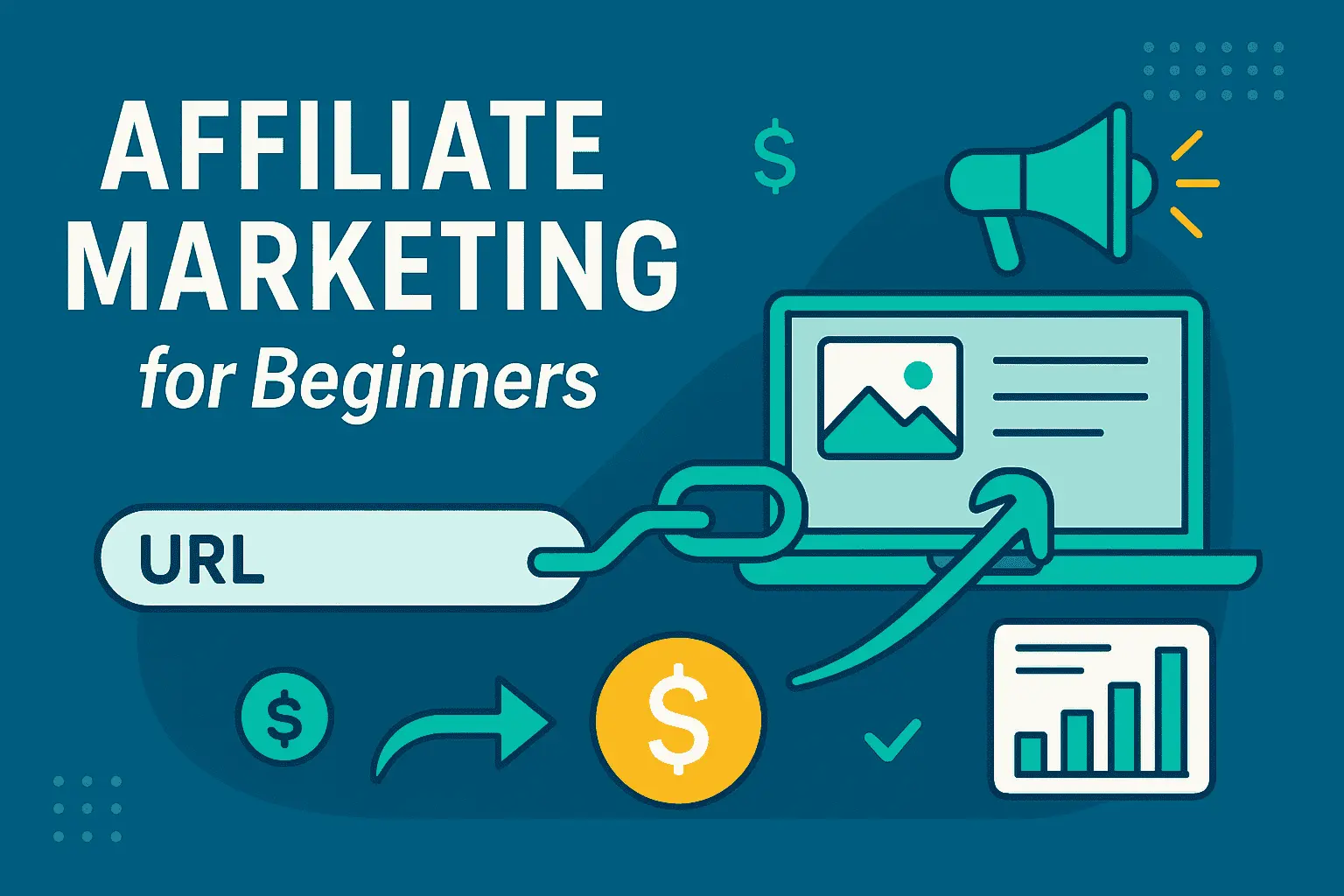
Affiliate marketing is often promoted online as an easy way to make money. You may have seen advertisements claiming that you can earn thousands of dollars in a few days simply by sharing links. While affiliate marketing can indeed become a profitable business model, the reality is more nuanced than many beginners are led to believe. Understanding the truth about affiliate marketing can help...
There was a time when building a “global career” meant one thing: leaving home. You had to relocate to a big city, move abroad, or chase opportunities far away from your roots. For many young people, especially in emerging economies, that dream felt distant, expensive, or impossible. Today, that story has changed. Young people are now building international careers from their...

Creating a winning digital marketing strategy requires a well-thought-out approach to attract, engage, and convert your target audience. Below is a step-by-step guide to help you build an effective digital marketing strategy. Step 1: Define Your Goals Start by setting clear and measurable goals. Your objectives could include: Increasing brand awareness Generating leads Boosting website...

Setting up a Virtual Private Server (VPS) is an essential skill for website hosting, application deployment, or cloud-based services. This guide will walk you through the process step-by-step, with descriptions, explanations, key points, and images to make the setup easier to understand. Step 1: Choosing a VPS Provider Before setting up a VPS, you need to select a hosting provider. Some...