


Refer and earn for every successful referral. Also, the most active user wins ₦5,000 in cash!
, Check Verification Solution Hub Groupes Pages Marketplace Evènements Blogs Financement Offres Emplois Courses Film Jeux Merits
 Terms and Conditions
 Legal & Business Law Agreement
 Child Safety & Policy
 App Installation Guide
 User Guide Page
 Investors & Partnership agreement
 About Us
 Flowisetech Earning Guide
 Terms of Use
 Politique de confidentialité
 Help
Help
 FAQs
FAQs
 Community Guidelines
 Our Purpose
 Withdrawal Terms
 Verification Terms
 Community Policy
The Future Belongs to Creators, Not Job Seekers
For decades, the traditional success formula was clear:
Go to school. Get good grades. Find a stable job. Climb the ladder.
That pathway is no longer guaranteed.
Automation is replacing repetitive roles. Artificial intelligence is reshaping industries. Companies are restructuring faster than ever. Job security is increasingly fragile.
In this new economic landscape, one truth is becoming clear:
The future will favor creators over job seekers.
This does not mean employment will disappear. It means value creation—not job dependency—will determine long-term relevance and wealth.
The Global Shift From Employment to Creation
We are witnessing a structural shift in how value is produced.
In the industrial era, companies owned factories.
In the information era, companies owned data.
In the creator era, individuals own skills, platforms, and audiences.
Today, a single individual can:
-
Build a software product
-
Launch an online course
-
Create media content
-
Design digital assets
-
Start a niche community
-
Sell globally
All without needing permission from an employer.
Technology has reduced barriers to entry. Distribution is now democratized. Opportunity is decentralized.
The gatekeepers are fewer. The possibilities are greater.
Job Seeking Is Competitive. Creation Is Expansive.
When you seek a job, you compete for limited positions.
When you create, you build new value.
Job markets are constrained by:
-
Available roles
-
Corporate budgets
-
Hiring cycles
-
Economic downturns
Creation, on the other hand, expands with imagination and execution.
A creator asks:
What problem can I solve?
What can I build?
What value can I deliver?
This mindset removes dependency and introduces ownership.
The Rise of the Creator Economy
The creator economy is no longer limited to entertainers or influencers.
It includes:
-
Developers building apps
-
Designers selling templates
-
Educators launching courses
-
Writers publishing newsletters
-
Analysts sharing insights
-
Entrepreneurs building digital communities
Creators monetise:
-
Knowledge
-
Creativity
-
Skill
-
Insight
-
Attention
-
Solutions
The key difference is control.
Creators own their platforms, audiences, and intellectual property. Job seekers exchange time for salary.
Technology Is Redefining Advantage
Artificial intelligence and automation are eliminating routine tasks.
Roles based purely on repetitive execution are increasingly vulnerable.
However, technology amplifies creators.
AI can:
-
Speed up content production
-
Improve design workflows
-
Automate marketing
-
Enhance research
-
Optimize systems
Those who create can leverage technology.
Those who rely solely on routine roles may be replaced by it.
The competitive edge lies in creativity, strategic thinking, and innovation.
Ownership Over Dependency
One of the most powerful differences between creators and job seekers is ownership.
A job provides income.
Creation builds assets.
Assets may include:
-
Digital products
-
Personal brand
-
Intellectual property
-
Equity in ventures
-
Loyal communities
-
Systems that generate recurring revenue
Ownership compounds over time.
Employment income often resets every month.
The Psychological Shift Required
Moving from job seeking to creating requires a mindset transformation.
Job-seeking mindset:
-
Wait for approval
-
Follow instructions
-
Avoid risk
-
Prioritize security
Creator mindset:
-
Take initiative
-
Experiment
-
Embrace calculated risk
-
Focus on long-term growth
Creation demands responsibility. It removes excuses. It replaces waiting with building.
This Is Not Anti-Employment
To be clear, employment is not inherently negative. Jobs can:
-
Provide stability
-
Build experience
-
Develop discipline
-
Offer learning opportunities
However, the danger lies in dependency.
Even employed individuals benefit from creator thinking:
-
Building side ventures
-
Developing monetisable skills
-
Creating digital assets
-
Growing personal brands
The future rewards those who build alongside or beyond employment.
How Young People Can Position Themselves as Creators
To thrive in the coming decade, young people should focus on:
1. Developing High-Value Skills
Technology, communication, marketing, product design, problem-solving.
2. Building Digital Presence
Visibility creates opportunity.
3. Creating Assets, Not Just Income
Courses, tools, systems, intellectual property.
4. Solving Specific Problems
Specificity increases value and demand.
5. Leveraging Platforms Strategically
Use platforms to distribute value—not just consume content.
The Risk of Remaining a Passive Consumer
Many young people spend hours consuming content daily—scrolling, watching, reacting.
Consumption builds entertainment.
Creation builds opportunity.
The individuals shaping the future are not the loudest consumers. They are the most consistent creators.
Final Perspective
The world is entering an era where:
-
Creativity outperforms compliance.
-
Ownership outperforms dependency.
-
Initiative outperforms waiting.
The most successful individuals in the next decade will not simply be those with degrees—but those who can build, innovate, and adapt.
The future will not be handed to job seekers.
It will be built by creators.
And the question for every young person is no longer:
“Who will hire me?”
But rather:
“What will I create?”
Catégories
- Make Money
- Product Review
- Social Media
- Excel
- Graphics design
- Freelancing/Consulting
- E-commerce and Digital Marketing
- Business
- Self Development
- Tips to Success
- Video Editing
- Photo Editing
- Website Promotion
- YouTube
- Computer
- Téléphone
- Music
- Spirituality & Faith
- École
- Tech & Digital
- Gaming
- News
- Digital Economy / Technology
- Relation
- Real Estate
- Creative Arts & Design
- Medical
- Causes
- Networking
Lire la suite
In the quiet morning light, Ava sat at the edge of her bed, scrolling through messages from her classmates. She had a group project presentation today, and the team had clashed the night before. Tension simmered beneath the surface—frustrations unspoken, ideas dismissed, and cooperation fractured. Ava took a deep breath, shut her phone, and reminded herself: Emotional intelligence...
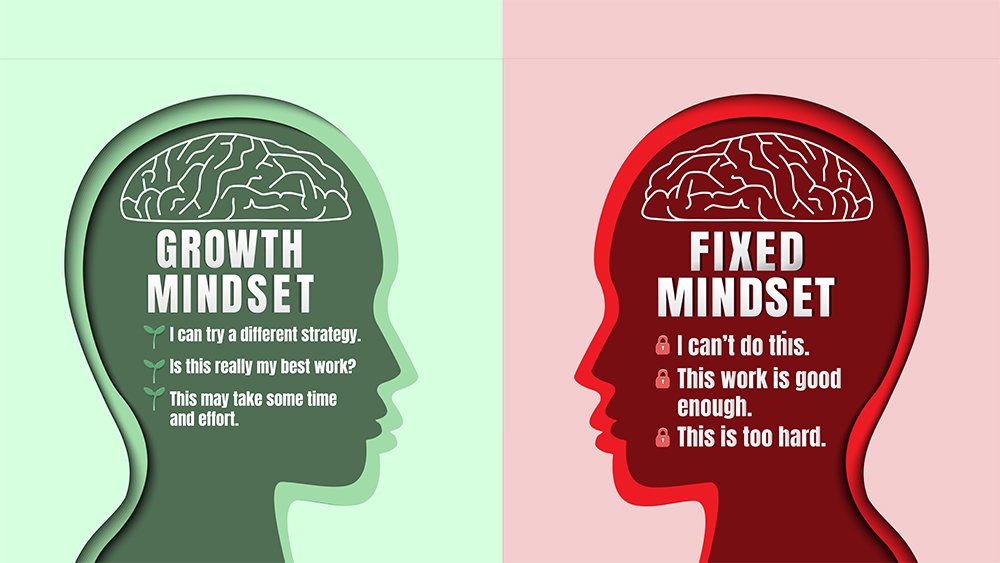
In the journey of personal and academic development, one powerful idea quietly shapes how we learn, face challenges, and ultimately, how far we go. It’s the concept of mindset. Coined and popularized by psychologist Carol Dweck, the terms “growth mindset” and “fixed mindset” describe two distinct ways people view their abilities and potential. This fundamental...
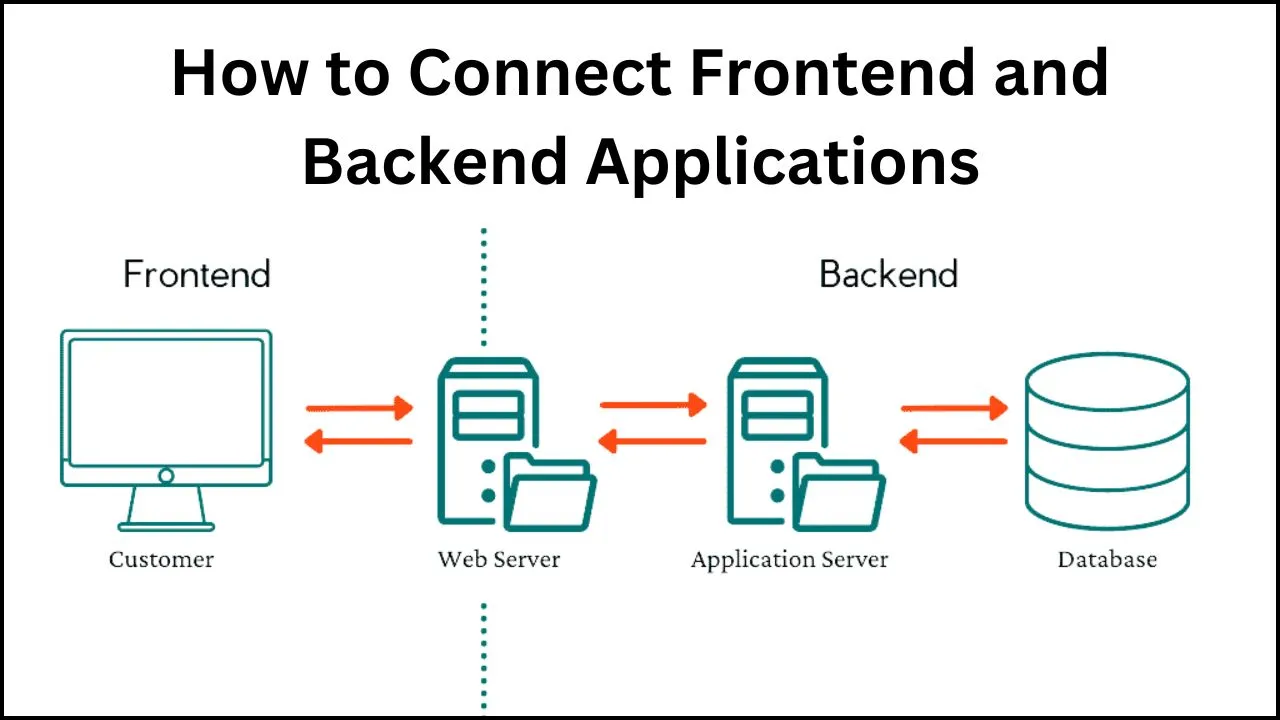
Frontend and backend communicate primarily through APIs (Application Programming Interfaces), enabling data exchange between the client (frontend) and the server (backend). Here's a breakdown of how they interact: 1. Frontend (Client-Side): The frontend refers to the user interface (UI) of a web application, which runs in the browser. It’s typically built using HTML, CSS, and...
With the rising cost of living in Nigeria, having just one source of income is no longer enough for many people. The good news is that there are simple side hustles you can start today without needing huge capital or advanced skills. Whether you're a student, job seeker, or working professional, there are practical ways to earn extra income using what you already have—your time, your...

Becoming a better version of yourself without relying on anyone else is absolutely possible. It demands self-discipline, introspection, and consistent action. Here’s a careful and detailed breakdown with key points and examples to guide you on this solo journey of personal transformation: 1. Clarity: Define Who You Want to Become Key Point: You must clearly identify what "better"...