

Solution Hub Groups Pages Market Events Blogs Funding Offers Jobs Courses Movies Games Merits
 Terms and Conditions
 Legal & Business Law Agreement
 Child Safety & Policy
 App Installation Guide
 User Guide Page
 Investors & Partnership agreement
 Flowisetech ambassador policy
 About Us
 Flowisetech Earning Guide
 Terms of Use
 Privacy Policy
 Help
Help
 FAQs
FAQs
 Community Guidelines
 Our Purpose
 Withdrawal Terms
 Verification Terms
 Community Policy
Thinking Beyond Survival: Building for Impact and Scale
In many emerging economies, survival is the starting point. Young people are often taught to focus on immediate income—pay the bills, support family, manage daily expenses. This mindset is understandable. Economic pressure is real.
However, while survival may be necessary at the beginning, remaining in survival mode limits long-term growth.
The next level of success requires a shift:
From earning to building.
From coping to creating.
From small transactions to scalable impact.
The future belongs to those who think beyond daily income and design systems that grow.
The Survival Trap
Survival mode is reactive.
It focuses on:
-
Immediate cash flow
-
Short-term opportunities
-
Urgent needs
-
Quick wins
While this approach solves short-term problems, it rarely builds long-term wealth or influence.
Survival thinking often leads to:
-
Trading time for money
-
Accepting any opportunity without strategy
-
Avoiding risk entirely
-
Delaying investment in growth
It keeps effort high—but impact small.
The Shift to Builder Thinking
Builder thinking is proactive and long-term.
It asks:
-
What can I create that lasts?
-
How can this grow beyond me?
-
Can this serve 10 people—or 10,000?
Instead of asking, “How do I make money today?”
Builders ask, “What can I design that generates value for years?”
This mindset shift is foundational for scale.
Understanding Impact
Impact is not measured only by revenue. It is measured by:
-
The number of lives improved
-
The problems solved
-
The opportunities created
-
The value delivered consistently
When you focus on solving meaningful problems at scale, income becomes a byproduct of relevance.
Impact-first businesses tend to last longer because they are built around real needs.
Understanding Scale
Scale means growth without proportional increase in effort.
For example:
-
A teacher in a classroom reaches 30 students.
-
A teacher who creates an online course can reach 30,000.
Scale multiplies influence and income.
It requires:
-
Systems
-
Technology
-
Delegation
-
Automation
-
Clear positioning
Scaling is not about working harder. It is about building smarter.
Why Many Youth Remain Small
Many young entrepreneurs stay in micro-operations because they:
-
Fear expansion
-
Lack long-term vision
-
Avoid structure and systems
-
Underestimate their potential
Remaining small feels safe. Scaling feels risky.
However, long-term security often comes from growth, not stagnation.
From Income to Assets
Survival thinking focuses on income.
Builder thinking focuses on assets.
Assets may include:
-
Digital products
-
Intellectual property
-
Brand equity
-
Customer databases
-
Investment portfolios
-
Scalable platforms
Income feeds today.
Assets feed the future.
Young people who prioritize asset creation position themselves for exponential growth.
The Role of Vision
Impact and scale require vision beyond personal needs.
Vision answers:
-
Why does this matter?
-
Who does this help?
-
What could this become in five years?
Without vision, effort becomes scattered.
With vision, effort becomes aligned and powerful.
Practical Steps to Move Beyond Survival
1. Secure Stability First
Stability provides mental clarity. Build a base income stream before taking major risks.
2. Identify Scalable Opportunities
Look for models that can grow digitally or through systems.
3. Invest in Systems Early
Document processes. Automate where possible. Structure operations.
4. Focus on Value Depth
Solve meaningful problems thoroughly. Depth builds loyalty.
5. Think Regionally and Globally
Digital tools remove geographic limits. Design solutions that can travel beyond your immediate environment.
6. Build a Brand Around Purpose
Purpose-driven brands scale more sustainably.
The Psychological Barrier to Scaling
Scaling often requires confronting limiting beliefs:
-
“I’m not ready.”
-
“What if it fails?”
-
“This is good enough.”
Growth demands discomfort. Comfort maintains survival mode.
The question is not whether scaling is risky—it always is.
The real question is whether staying small is riskier in the long term.
A New Definition of Success
Success is no longer just about earning enough to survive.
It is about:
-
Creating systems that outlast you
-
Building influence beyond your immediate circle
-
Generating opportunities for others
-
Designing sustainable growth
Impact ensures relevance.
Scale ensures sustainability.
Final Perspective
Survival may be the starting line, but it should not be the destination.
Young people who learn to think beyond immediate income and begin building for impact and scale position themselves differently in the global economy.
They move from:
-
Hustlers to architects
-
Earners to builders
-
Workers to creators
The future will reward those who do not just work within systems—but those who design them.
And the most powerful question a young person can ask today is:
“Am I surviving… or am I building something that can grow?”
Categories
- Make Money
- Product Review
- Social Media
- Excel
- Graphics design
- Freelancing/Consulting
- E-commerce and Digital Marketing
- Business
- Self Development
- Tips to Success
- Video Editing
- Photo Editing
- Website Promotion
- YouTube
- Computer
- Phone
- Music
- Spirituality & Faith
- School
- Tech & Digital
- Gaming
- News
- Digital Economy / Technology
- Relationship
- Real Estate
- Creative Arts & Design
- Medical
- Causes
- Networking
Read More
I'll provide a comprehensive step-by-step guide on converting a website into an Android app using Android Studio, including all the requested features. Let's get started. Step 1: Set Up a New Android Studio Project Open Android Studio. Click on "Start a new Android Studio project". Select "Empty Activity" and click Next. Name your application (e.g., MyWebApp). Choose Java or Kotlin as...
Chasing money feels productive. It looks like effort—working more hours, jumping on opportunities, pushing for higher income. But for many people, it leads to the same frustrating outcome: more money comes in, yet nothing really changes. Because income without structure does not create progress.It creates temporary relief. If you want lasting financial growth, the goal is not to chase...

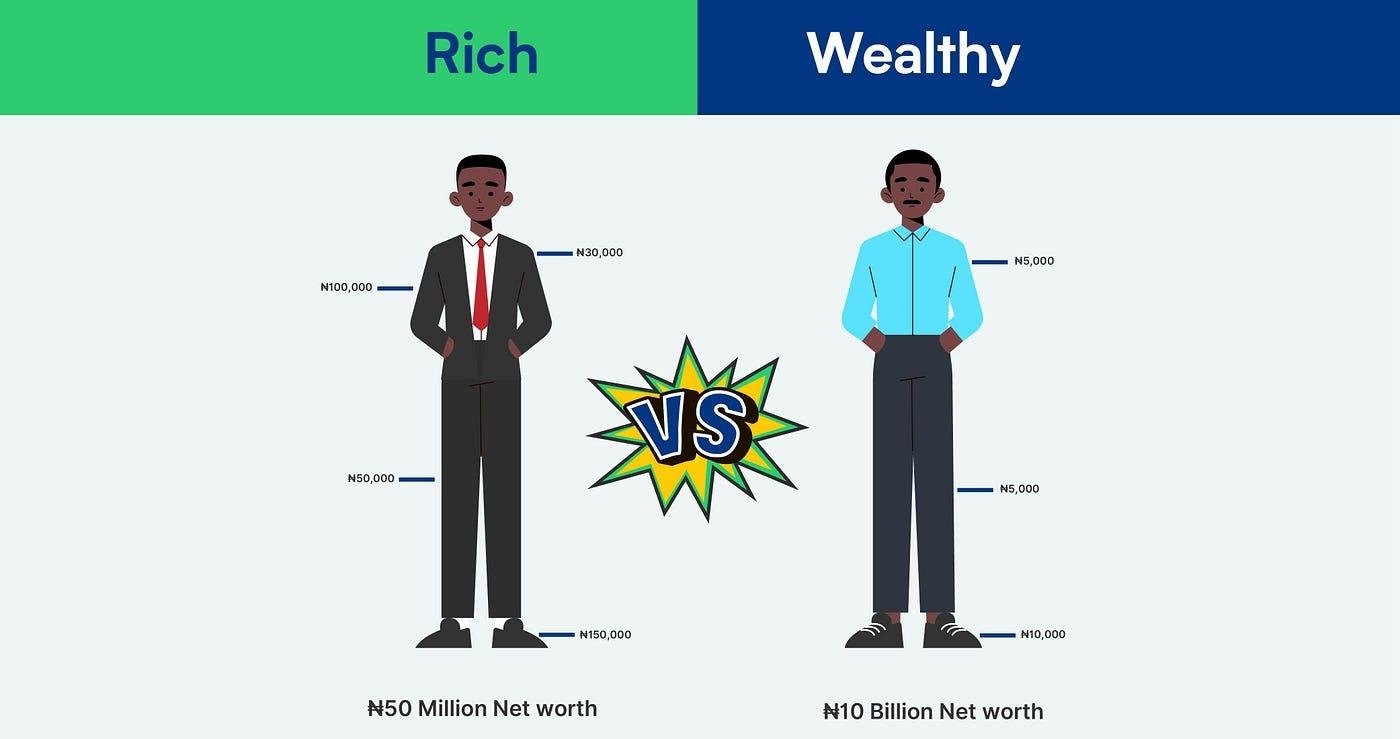
Many people use the words rich and wealthy as if they mean the same thing. On the surface, they may appear similar because both involve money, success, and financial comfort. But in reality, there is a major difference between the two. A person can look rich while secretly struggling financially. At the same time, someone else may appear financially ordinary while quietly building lasting...
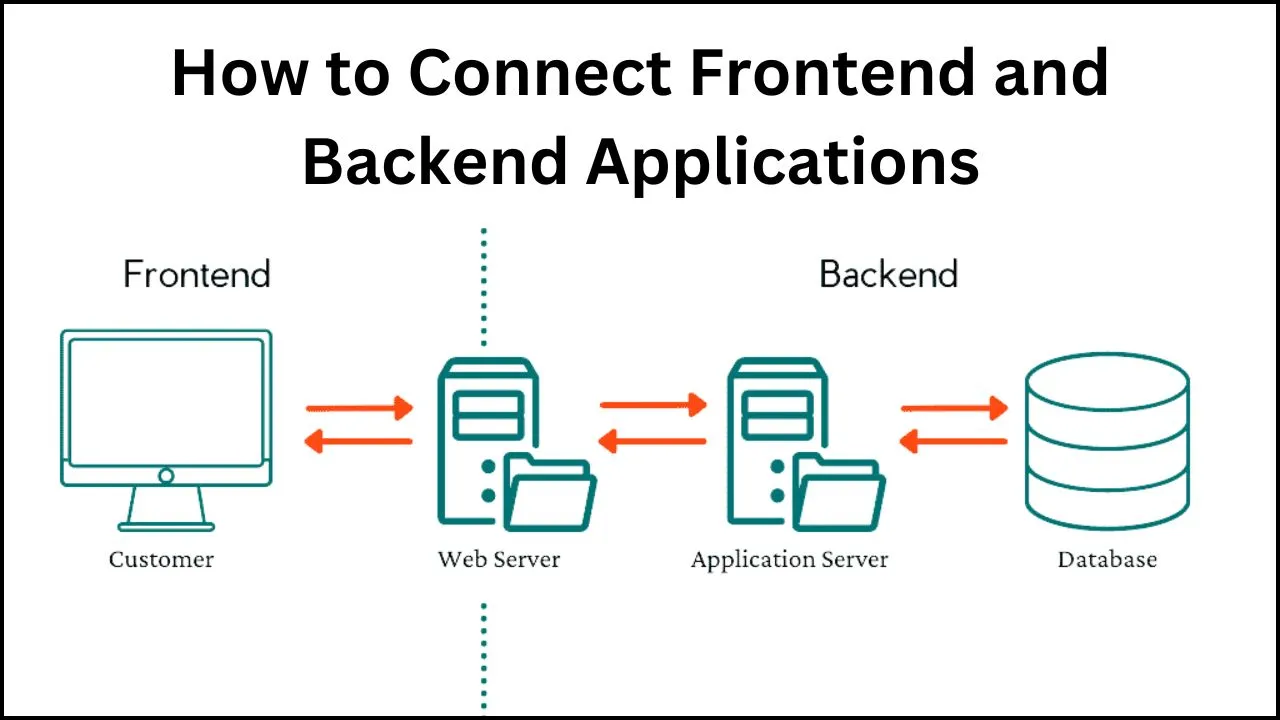
Frontend and backend communicate primarily through APIs (Application Programming Interfaces), enabling data exchange between the client (frontend) and the server (backend). Here's a breakdown of how they interact: 1. Frontend (Client-Side): The frontend refers to the user interface (UI) of a web application, which runs in the browser. It’s typically built using HTML, CSS, and...
For many young people, the goal is clear: earn more money. A better job. A higher salary. More income.It feels like the obvious path to financial success. But there’s a critical truth that often gets missed early:income is not the same as wealth. And misunderstanding this can keep you working hard without ever moving forward. The Illusion of High Income Earning more money can...