


Solution Hub Groups Pages Market Events Blogs Funding Offers Jobs Courses Movies Games Merits
 Terms and Conditions
 Legal & Business Law Agreement
 Child Safety & Policy
 App Installation Guide
 User Guide Page
 Investors & Partnership agreement
 Flowisetech ambassador policy
 About Us
 Flowisetech Earning Guide
 Terms of Use
 Privacy Policy
 Help
Help
 FAQs
FAQs
 Community Guidelines
 Our Purpose
 Withdrawal Terms
 Verification Terms
 Community Policy
The Future Belongs to Those Who Think Long-Term

In a world that rewards speed, celebrates instant results, and thrives on short-term wins, long-term thinking has quietly become a rare advantage. Most people are trained—by systems, by social media, by economic pressure—to focus on what works now. What pays today. What trends this week. But history, success, and true wealth consistently favor a different mindset: those who think beyond the moment.
Long-term thinking is not simply about patience. It is about direction. It is the ability to make decisions today that may not pay off immediately but compound into something meaningful over time. It requires discipline, clarity, and a willingness to ignore the noise of immediate gratification.
The Illusion of Short-Term Success
Short-term thinking is attractive because it offers visible rewards. Quick profits, fast growth, immediate recognition. These are powerful incentives, and they create the illusion of progress. But often, what looks like progress in the short term lacks structure. It is fragile.
Many people build their decisions around urgency:
-
“What can I gain now?”
-
“How quickly can this work?”
-
“What is trending?”
The problem is not that these questions are wrong. The problem is that they are incomplete. When decisions are made only for immediate outcomes, they often ignore sustainability, resilience, and depth. What is built quickly without long-term structure often collapses just as fast.
Long-Term Thinking as a Strategic Advantage
Long-term thinkers operate differently. They reverse the timeline.
Instead of asking, “What works now?” they ask:
-
“Where do I want to be in five or ten years?”
-
“What systems support that future?”
-
“What decisions today will still make sense later?”
This shift changes everything. It transforms actions from reactive to intentional. It builds consistency where others rely on bursts of effort. And most importantly, it creates compounding results.
Consider this: small, consistent improvements over time outperform occasional large efforts. A person who invests steadily, learns continuously, and builds structured habits will always outperform someone chasing short-term wins without direction.
The Power of Compounding Decisions
Long-term thinking leverages one of the most powerful forces in life: compounding. Not just in money, but in knowledge, discipline, reputation, and relationships.
Every decision either compounds or resets progress.
-
Learning a skill daily compounds into expertise.
-
Saving consistently compounds into financial stability.
-
Building trust over time compounds into influence.
These outcomes are not visible immediately. That is why many people abandon them too early. They underestimate the value of slow, steady progress because it lacks immediate excitement. But over time, compounding creates a gap that short-term thinking cannot close.
Discipline Over Distraction
Thinking long-term requires resisting constant distraction. Modern environments are designed to pull attention toward what is urgent, not what is important. Notifications, trends, and fast-changing opportunities create pressure to react instead of reflect.
Long-term thinkers develop a different relationship with time. They prioritize:
-
Consistency over intensity
-
Structure over randomness
-
Direction over speed
They understand that not every opportunity is worth pursuing. In fact, saying no becomes a critical skill. Every distraction avoided is a step preserved toward a larger goal.
Building a Long-Term Framework
Long-term thinking is not abstract. It is practical. It can be built into daily life through simple but structured actions:
1. Define a Clear Direction
Without a long-term vision, it is impossible to think long-term. Clarity does not require perfect detail, but it requires a defined path.
2. Focus on Systems, Not Outcomes
Outcomes are unpredictable. Systems are controllable. A strong system ensures progress regardless of immediate results.
3. Measure Progress Over Time, Not Moments
Daily fluctuations are misleading. Real growth is visible only across months and years.
4. Accept Delayed Gratification
Not every effort will pay off today. The ability to wait without losing discipline is a defining trait of long-term thinkers.
Why the Future Favors Long-Term Thinkers
The future is uncertain, but one pattern remains consistent: those who prepare for it outperform those who react to it. Long-term thinkers are not just building for today—they are positioning themselves for opportunities that do not yet exist.
They are ready when others are not.
They are stable when others are uncertain.
They are growing when others are restarting.
This is the real advantage.
Final Thought
The difference between where most people are and where they want to be is not opportunity—it is perspective. Short-term thinking keeps people busy. Long-term thinking moves them forward.
The future does not belong to those who move the fastest. It belongs to those who move with direction, consistency, and patience over time.
And in a world obsessed with now, that mindset is not just rare—it is powerful.
Categories
- Make Money
- Product Review
- Social Media
- Excel
- Graphics design
- Freelancing/Consulting
- E-commerce and Digital Marketing
- Business
- Self Development
- Tips to Success
- Video Editing
- Photo Editing
- Website Promotion
- YouTube
- Computer
- Phone
- Music
- Spirituality & Faith
- School
- Tech & Digital
- Gaming
- News
- Digital Economy / Technology
- Relationship
- Real Estate
- Creative Arts & Design
- Medical
- Causes
- Networking
Read More
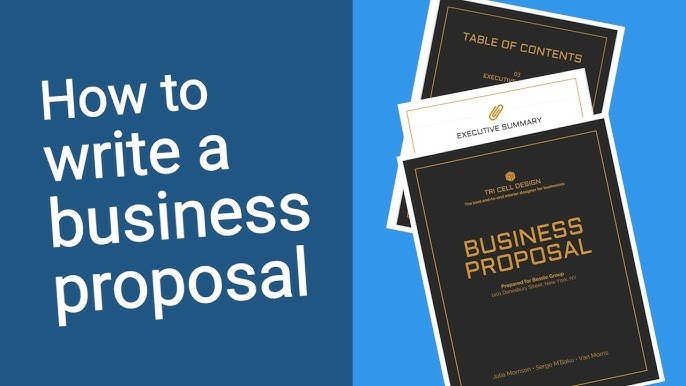
A business proposal is a document used to persuade a potential client, investor, or business partner to engage in a specific business deal or project. It outlines the purpose, benefits, and execution plan of the proposed business idea or service. Here Are The Key Points for Writing a Good Business Proposal 1. Understanding the Purpose and Audience Before writing, identify the target...
Most people carry the most powerful business tool ever created in their pocket—and use it mainly for entertainment. Your phone is not the problem.How you use it is. The same device used to scroll endlessly is also being used by others to learn skills, build income, run businesses, and create opportunities. The difference isn’t access. It’s intent. The Phone Is...

When people hear the words web development, they often imagine highly intelligent programmers sitting in front of complicated screens, writing hundreds of lines of code that seem impossible to understand. This image can make beginners feel intimidated. Some people think, “I’m not good at mathematics.” Others say, “I’m not naturally intelligent enough for...

Every day, people around the world follow important events that influence how they think, communicate, and connect with others. News about public policies, technology, education, business, health, and cultural activities often becomes the starting point for meaningful discussions. These conversations are no longer limited by geography because digital platforms allow people from different...

Here’s a detailed, step-by-step guide on how to format a laptop. Formatting your laptop erases all data and reinstalls the operating system, giving it a fresh start. Whether you’re troubleshooting performance issues, removing malware, or preparing to sell your laptop, follow these steps carefully. Step 1: Back Up Your Important Data Before formatting, save your important files...