

Solution Hub Groups Pages Market Events Blogs Funding Offers Jobs Courses Movies Games Merits
 Terms and Conditions
 Legal & Business Law Agreement
 Child Safety & Policy
 App Installation Guide
 User Guide Page
 Investors & Partnership agreement
 Flowisetech ambassador policy
 About Us
 Flowisetech Earning Guide
 Terms of Use
 Privacy Policy
 Help
Help
 FAQs
FAQs
 Community Guidelines
 Our Purpose
 Withdrawal Terms
 Verification Terms
 Community Policy
How to Decide What to Learn Based on Your Goals, Not Trends

Building a learning strategy that creates real progress—not just activity
Every day, there’s a new “must-learn” skill online. One week it’s graphic design, the next it’s coding, then suddenly everyone is talking about digital marketing, AI, or trading. If you follow all of them, you end up doing a little of everything… and mastering nothing.
If that sounds familiar, you’re not alone.
Many people today are not lacking motivation—they’re just overwhelmed. They’re learning, watching tutorials, saving courses, trying new things… yet still feeling stuck. The real problem isn’t laziness or lack of discipline.
It’s learning without direction.
A Real-Life Scenario Most People Relate To
Take this simple example.
Imagine a student named Daniel. He sees people making money online, so he starts learning graphic design. After a few weeks, he hears that coding pays more, so he switches. Then someone posts about affiliate marketing, and he jumps again.
Months pass. Daniel has watched many videos, started many courses—but hasn’t earned anything.
Now compare that to someone else, Sarah.
Sarah decides her goal is simple: earn her first income online. She doesn’t try everything. She focuses on one path—learning a skill she can offer as a service. She practices, does small jobs, improves, and within months, she starts earning.
The difference is not intelligence. It is clarity.
The Problem with Trend-Driven Learning
Trends are attractive because they promise fast results. But they are built for attention, not for your personal growth.
What works for one person at a specific time may not work for you right now.
When you follow trends blindly:
-
You choose skills because they are popular, not because they are useful to you
-
You ignore timing—learning things you can’t even apply yet
-
You keep switching, never going deep enough to see results
This creates a frustrating cycle: busy but not progressing.
You end up knowing a little about many things—but unable to use any of them effectively.
And the truth is simple:
Being informed is not the same as being prepared.
Why Your Goals Should Guide Your Learning
Goals give your learning direction. They act like a filter, helping you decide what matters and what doesn’t.
When your learning is based on a clear goal:
-
You stop wasting time on irrelevant skills
-
You focus on what can actually move your life forward
-
You make decisions faster and with more confidence
Think of your goal as a destination. Without it, every road looks tempting. With it, you know exactly where to go.
For example:
-
If your goal is to get a job, you should focus on skills employers are looking for and that you can demonstrate.
-
If your goal is to start a business, you should learn how to solve problems, attract customers, and deliver value.
-
If your goal is financial independence, your focus should include income skills, money management, and long-term thinking.
Same internet. Same opportunities. Different results—because of different goals.
A Simple Framework to Choose the Right Skill
If you’re tired of confusion, use this practical approach to guide your decisions.
1. Get Clear on What You Want
Vague goals create confusion.
Instead of saying:
“I want to learn something useful”
Say something like:
-
“I want to start earning online within 3 months”
-
“I want to move into a better-paying job”
-
“I want to build a second source of income”
Clarity reduces distraction.
2. Identify What Actually Matters
Every goal has specific skills connected to it.
Ask yourself:
-
What skills will directly help me achieve this goal?
-
Which one can I start using quickly?
This helps you avoid learning things that “sound good” but don’t move you forward.
3. Focus on High-Impact Skills First
Not all skills are equal.
Start with the ones that:
-
Can bring results quickly
-
Open real opportunities
-
Build your confidence through action
For example, learning how to get clients may be more useful than learning advanced theory at the beginning.
4. Match Your Learning to Your Stage
Your current level matters.
-
If you’re just starting, focus on foundations
-
If you already have basics, focus on application
-
If you’re experienced, focus on scaling and systems
Trying to learn advanced concepts too early often leads to confusion.
Right skill, wrong timing = wasted effort.
5. Practice Before You Move On
One of the biggest mistakes people make is learning without doing.
Before jumping to the next skill, ask:
-
Have I actually used this?
-
Did I get any result from it?
If the answer is no, you’re not done yet.
Learning becomes powerful only when it is applied.
Don’t Ignore Trends—But Don’t Follow Them Blindly
Trends are not useless. They can show you where opportunities are growing.
But instead of chasing them, use them wisely:
-
Stay aware of what’s happening
-
Check if it aligns with your goal
-
Only adopt what strengthens your direction
This way, you stay informed without losing focus.
What Happens When You Get This Right
When you consistently learn based on your goals:
-
You stop jumping from one thing to another
-
You start seeing real progress
-
You build confidence because your efforts lead to results
Over time, your skills begin to connect. Each one builds on the previous. Growth becomes structured, not random.
You’re no longer just learning—you’re building something.
Final Thought
There will always be new trends. New skills. New opportunities.
But not all of them are meant for you—at least not right now.
So instead of asking:
“What is everyone learning?”
Start asking:
“What will actually move me forward at this stage of my life?”
That one question can save you months—even years—of confusion.
Because real growth doesn’t come from doing everything.
It comes from doing the right things, at the right time, for the right reasons.
Categories
- Make Money
- Product Review
- Social Media
- Excel
- Graphics design
- Freelancing/Consulting
- E-commerce and Digital Marketing
- Business
- Self Development
- Tips to Success
- Video Editing
- Photo Editing
- Website Promotion
- YouTube
- Computer
- Phone
- Music
- Spirituality & Faith
- School
- Tech & Digital
- Gaming
- News
- Digital Economy / Technology
- Relationship
- Real Estate
- Creative Arts & Design
- Medical
- Causes
- Networking
Read More
As such they were inspired by sound waves; there were curvilinear shapes in and that stood in contrast with the pleating the designers are known for. we are always trying to mix up the masculine and the feminine were all about the yin and the yang they added. Upon opening the box, was excited by the sleek silhouette. The crisp white soles, creamy woven beige uppers seamless, with no tongue...

In an era where technology saturates every corner of our lives, the idea that your smartphone could be a gateway to spiritual growth may seem contradictory. However, many are beginning to explore the intersection of tech and spirituality, using mobile devices not as distractions—but as tools to connect with their higher self. Can your phone really guide you to deeper self-awareness,...

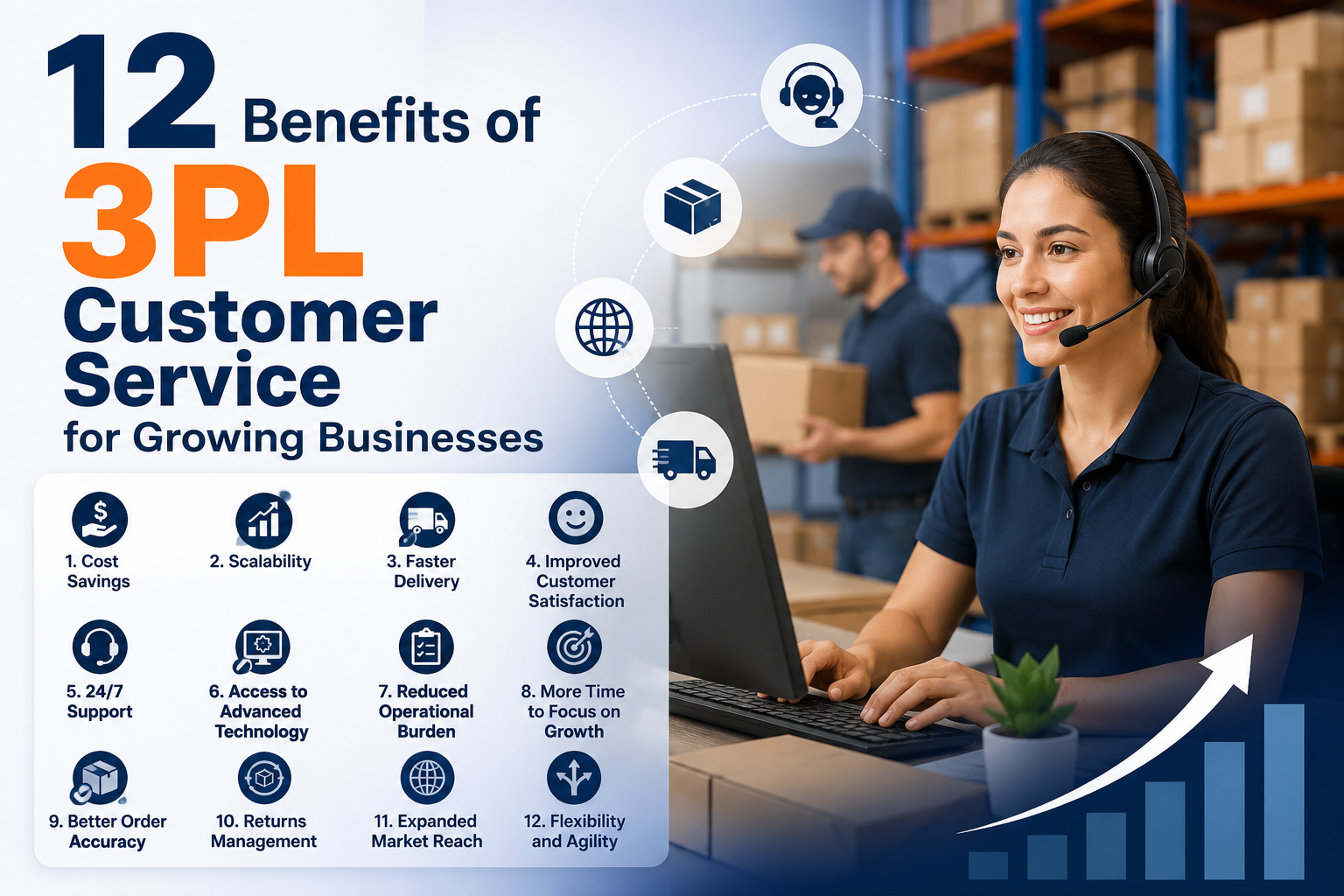
Growing businesses need more than fast shipping to stay competitive. Efficient fulfillment, accurate order handling, and professional customer support all contribute to long-term success. A reliable labeling and packaging solution helps create a seamless shipping process while improving customer satisfaction and reducing costly fulfillment errors. Strong logistics support...
In today's digital economy, businesses rely heavily on technology to manage operations, communicate with customers, process transactions, and store valuable information. While digital transformation creates new opportunities for growth and efficiency, it also exposes organizations to increasingly sophisticated cyber threats. Cybercriminals are constantly developing new tactics to exploit...

Here’s a detailed guide on How to Build a Responsive Navbar with HTML, CSS, & JavaScript, including explanations, keywords, and examples. A Responsive Navigation Bar (Navbar) is a crucial component of modern web design. It allows users to navigate through different sections of a website smoothly on different screen sizes (desktop, tablet, and mobile). Key Features of the Responsive...