


Solution Hub Groups Pages Market Events Blogs Funding Offers Jobs Courses Movies Games Merits
 Terms and Conditions
 Legal & Business Law Agreement
 Child Safety & Policy
 App Installation Guide
 User Guide Page
 Investors & Partnership agreement
 Flowisetech ambassador policy
 About Us
 Flowisetech Earning Guide
 Terms of Use
 Privacy Policy
 Help
Help
 FAQs
FAQs
 Community Guidelines
 Our Purpose
 Withdrawal Terms
 Verification Terms
 Community Policy
Top Cybersecurity Threats Businesses Face Today
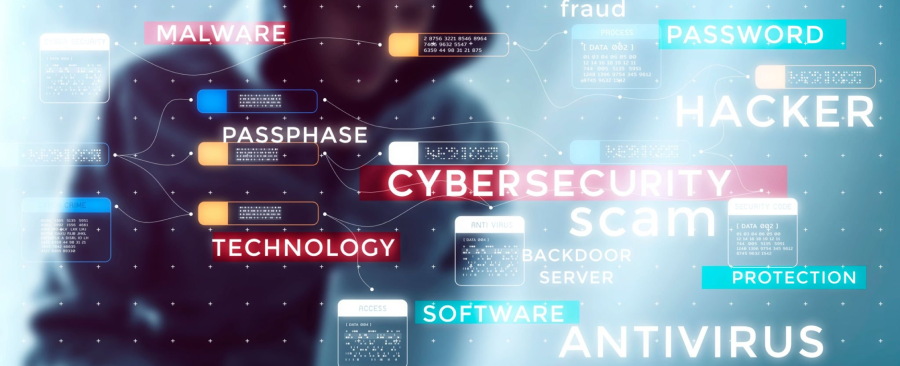
In today's digital economy, businesses rely heavily on technology to manage operations, communicate with customers, process transactions, and store valuable information. While digital transformation creates new opportunities for growth and efficiency, it also exposes organizations to increasingly sophisticated cyber threats.
Cybercriminals are constantly developing new tactics to exploit vulnerabilities, disrupt operations, steal sensitive information, and demand financial payments. From small businesses to large enterprises, no organization is immune to cyberattacks.
Understanding the most significant cybersecurity threats facing businesses today is the first step toward building a stronger security posture and protecting critical assets.
1. Phishing Attacks
Phishing remains one of the most common and effective cyber threats worldwide.
In a phishing attack, cybercriminals impersonate trusted individuals, organizations, or services to trick employees into revealing sensitive information such as passwords, banking details, or confidential company data.
These attacks often arrive through:
-
Email messages
-
Text messages
-
Social media platforms
-
Fake websites
-
Collaboration tools
Modern phishing campaigns are becoming increasingly sophisticated, making them difficult to detect without proper employee awareness and security training.
How to Reduce the Risk
-
Conduct regular cybersecurity awareness training
-
Implement multi-factor authentication (MFA)
-
Verify suspicious requests through secondary communication channels
-
Use advanced email filtering solutions
2. Ransomware Attacks
Ransomware has evolved into one of the most damaging cybersecurity threats facing businesses today.
In a ransomware attack, malicious software encrypts an organization's files and systems, rendering them inaccessible. Attackers then demand payment in exchange for restoring access.
The consequences can be severe:
-
Operational downtime
-
Financial losses
-
Data loss
-
Reputational damage
-
Regulatory penalties
Many modern ransomware groups also steal sensitive information before encryption and threaten to publish it if payment is not made.
How to Reduce the Risk
-
Maintain regular data backups
-
Keep software updated
-
Restrict user privileges
-
Deploy endpoint protection solutions
-
Develop an incident response plan
3. Business Email Compromise (BEC)
Business Email Compromise is a targeted attack in which cybercriminals gain access to or impersonate corporate email accounts.
Attackers often pose as executives, suppliers, or trusted partners and request:
-
Wire transfers
-
Invoice payments
-
Sensitive company information
-
Employee data
Because these messages often appear legitimate, employees may unknowingly comply with fraudulent requests.
How to Reduce the Risk
-
Implement email authentication protocols
-
Require verification for financial transactions
-
Use multi-factor authentication
-
Train employees to recognize suspicious requests
4. Data Breaches
Data breaches occur when unauthorized individuals gain access to confidential information.
Targeted data may include:
-
Customer records
-
Financial information
-
Intellectual property
-
Employee information
-
Business strategies
A single breach can result in significant financial losses, legal consequences, and long-term damage to customer trust.
How to Reduce the Risk
-
Encrypt sensitive data
-
Limit access based on job responsibilities
-
Monitor network activity
-
Conduct regular security audits
5. Insider Threats
Not all cybersecurity threats originate outside the organization.
Insider threats involve employees, contractors, or business partners who intentionally or unintentionally compromise security.
Examples include:
-
Sharing sensitive information
-
Weak password practices
-
Unauthorized system access
-
Accidental data exposure
-
Malicious actions by disgruntled employees
Because insiders often have legitimate access to systems, these threats can be difficult to detect.
How to Reduce the Risk
-
Apply role-based access controls
-
Monitor privileged accounts
-
Conduct employee security training
-
Implement data loss prevention measures
6. Malware Infections
Malware is a broad category of malicious software designed to damage systems, steal information, or disrupt operations.
Common types include:
-
Viruses
-
Trojans
-
Spyware
-
Worms
-
Keyloggers
Malware can spread through infected downloads, malicious email attachments, compromised websites, or removable storage devices.
How to Reduce the Risk
-
Install reputable endpoint protection software
-
Regularly update operating systems
-
Restrict unauthorized software installations
-
Scan downloads and attachments
7. Cloud Security Vulnerabilities
As businesses increasingly adopt cloud-based services, cloud security has become a major concern.
Common cloud-related risks include:
-
Misconfigured storage settings
-
Weak access controls
-
Unsecured APIs
-
Poor identity management
-
Inadequate monitoring
Even a minor configuration error can expose sensitive company data to unauthorized access.
How to Reduce the Risk
-
Enforce strong authentication policies
-
Conduct regular cloud security assessments
-
Monitor cloud environments continuously
-
Follow cloud security best practices
8. Supply Chain Attacks
Businesses often depend on third-party vendors, software providers, and service partners.
Cybercriminals increasingly target these trusted relationships to gain access to larger organizations.
A compromise affecting a single vendor can potentially impact hundreds or thousands of customers.
How to Reduce the Risk
-
Assess vendor security practices
-
Monitor third-party access
-
Establish cybersecurity requirements for suppliers
-
Conduct regular risk assessments
9. Distributed Denial-of-Service (DDoS) Attacks
DDoS attacks overwhelm websites, applications, or networks with excessive traffic, causing services to become unavailable.
The consequences can include:
-
Website outages
-
Lost revenue
-
Customer dissatisfaction
-
Operational disruptions
Organizations that rely heavily on online services are particularly vulnerable.
How to Reduce the Risk
-
Use DDoS protection services
-
Implement traffic filtering solutions
-
Monitor network activity
-
Develop response procedures for service disruptions
10. Weak Password and Credential Attacks
Passwords remain one of the most commonly exploited security weaknesses.
Cybercriminals use techniques such as:
-
Credential stuffing
-
Brute-force attacks
-
Password spraying
-
Stolen credential purchases
Weak or reused passwords significantly increase the risk of unauthorized access.
How to Reduce the Risk
-
Enforce strong password policies
-
Require multi-factor authentication
-
Use password management solutions
-
Regularly review access controls
Building a Strong Cybersecurity Strategy
Cybersecurity is no longer solely an IT concern. It is a business-critical priority that affects operations, finances, customer trust, and long-term growth.
An effective cybersecurity strategy should include:
-
Employee security awareness training
-
Regular software updates and patch management
-
Multi-factor authentication
-
Data backup and recovery plans
-
Continuous security monitoring
-
Incident response planning
-
Vendor risk management
-
Security audits and assessments
Organizations that proactively address cybersecurity risks are better positioned to protect their assets and maintain business continuity.
Conclusion
The cybersecurity landscape continues to evolve, and businesses face a growing range of threats from both external attackers and internal vulnerabilities. Phishing, ransomware, data breaches, insider threats, cloud security risks, and supply chain attacks are among the most significant dangers organizations encounter today.
While no security strategy can eliminate every risk, businesses that invest in cybersecurity awareness, modern security technologies, and proactive risk management can significantly reduce their exposure and strengthen their resilience against cyber threats.
In an increasingly connected world, cybersecurity is not just about protecting systems—it is about protecting the future of the business itself.

Categories
- Make Money
- Product Review
- Social Media
- Excel
- Graphics design
- Freelancing/Consulting
- E-commerce and Digital Marketing
- Business
- Self Development
- Tips to Success
- Video Editing
- Photo Editing
- Website Promotion
- YouTube
- Computer
- Phone
- Music
- Spirituality & Faith
- School
- Tech & Digital
- Gaming
- News
- Digital Economy / Technology
- Relationship
- Real Estate
- Creative Arts & Design
- Medical
- Causes
- Networking
Read More
Being broke is frustrating. Not just because of money—but because of the uncertainty, the stress, and the feeling of being stuck. The internet promises opportunities everywhere, but for a beginner, it often feels confusing and overwhelming. Too many options, too many “gurus,” and no clear starting point. This is a realistic breakdown of how the journey to making money online...

October brings crisp mornings, golden leaves, and deeper colors in the garden. It is a month that feels both lively and calm. The flowers connected with it reflect the same balance. Marigold and cosmos are the two blooms most often linked with October birthdays. Marigolds feel warm, bold, and full of energy. Cosmos flowers look light, graceful, and peaceful. Together, they give the October...

Understanding the Economic Pressures Affecting Millions of Nigerians Over the past few years, one topic has dominated conversations across homes, workplaces, markets, and social media in Nigeria: the rising cost of living. Every trip to the market seems more expensive than the last. Transportation fares continue to climb, electricity bills consume a larger share of household income, and...

Every website you visit—from personal blogs to global platforms like Google, Amazon, and Wikipedia—starts with one fundamental technology: HTML. If you've always wanted to learn web development but didn't know where to begin, HTML is the perfect starting point. It's simple to learn, widely used, and forms the foundation of every webpage on the internet. The best part? You...
In today's digital world, people spend hours on social media platforms every day. They scroll through posts, watch videos, like pictures, and comment on content. While these activities are entertaining, they rarely provide real financial benefits to the average user. Flowisetech was created to change that narrative. Flowisetech is designed as a social learning and earning ecosystem where...