


Solution Hub Groups Pages Market Events Blogs Funding Offers Jobs Courses Movies Games Merits
 Terms and Conditions
 Legal & Business Law Agreement
 Child Safety & Policy
 App Installation Guide
 User Guide Page
 Investors & Partnership agreement
 Flowisetech ambassador policy
 About Us
 Flowisetech Earning Guide
 Terms of Use
 Privacy Policy
 Help
Help
 FAQs
FAQs
 Community Guidelines
 Our Purpose
 Withdrawal Terms
 Verification Terms
 Community Policy
Earn, Learn, Save, Build: A Better Path for Young Professionals
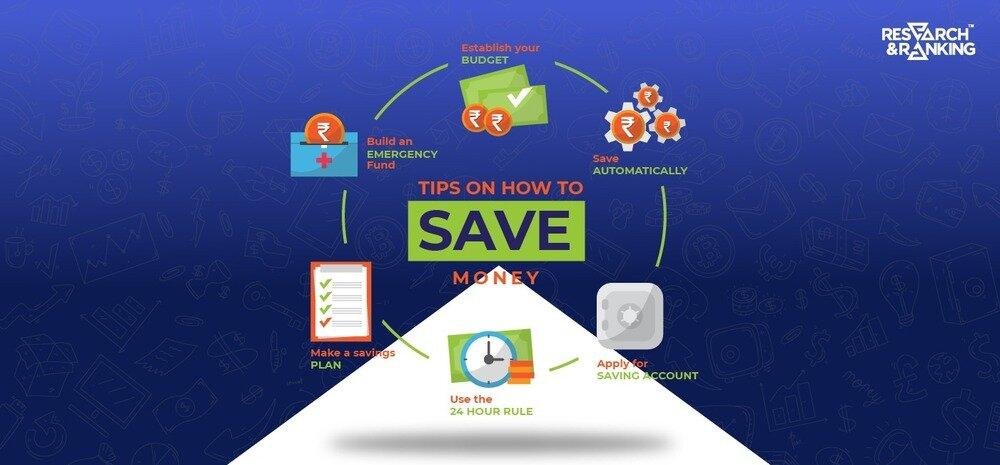
Your twenties and early professional years can shape much of the financial and professional life you experience later.
This is the period when many young people are making important decisions about education, careers, income, relationships, businesses, and money. It is also a period when it is easy to become distracted by appearances and immediate gratification.
A new salary can quickly become a new lifestyle.
A new job can quickly become a reason to stop learning.
A little extra income can quickly become unnecessary spending.
And years can pass without significant progress toward financial independence.
A better approach is to build your early professional life around four simple principles:
Earn. Learn. Save. Build.
These four actions work together. Earning gives you resources. Learning increases your capabilities. Saving creates financial stability. Building creates assets, opportunities, and long-term value.
You do not need to master everything at once.
You need to develop the habit of moving forward in all four areas.
Earn: Create Income Through Value
The first step is to develop your ability to earn.
This does not mean chasing money at any cost. It means developing skills that allow you to create value for other people and organizations.
Your income is often connected to the problems you can solve.
If you can design, develop, sell, manage, analyze, write, teach, repair, organize, or create something that people need, you have something valuable to offer.
Early in your career, focus on becoming useful.
Learn skills that are relevant to the market. Develop your communication abilities. Understand how businesses operate. Learn how to work with people. Become dependable.
Your first income may not be impressive.
That is okay.
The goal is not to remain at your starting point.
The goal is to increase your earning capacity over time.
Learn: Never Stop Increasing Your Value
One of the biggest mistakes young professionals can make is assuming that education ends when school ends.
It does not.
The professional world continues to change. Technology changes. Industries change. Customer expectations change. New opportunities emerge. Some existing skills become less valuable while new skills become increasingly important.
You must continue learning.
Read.
Take courses.
Study your industry.
Learn from experienced people.
Practice your skills.
Build projects.
Ask questions.
Study your mistakes.
Most importantly, turn what you learn into something you can actually use.
Learning should not simply increase the amount of information in your head.
It should increase your ability to produce results.
The more capable you become, the more opportunities you can pursue.
Save: Give Your Income a Purpose
Earning more money does not automatically create financial security.
If your expenses increase every time your income increases, you can remain financially stressed regardless of how much you earn.
Saving creates a gap between what you earn and what you spend.
That gap gives you options.
It can help you handle emergencies without immediately turning to debt. It can give you capital for future opportunities. It can help you transition between jobs. It can give you time to make better decisions instead of making desperate ones.
You do not have to wait until you earn a large salary before developing the habit.
Start with what you can.
Track your income.
Understand your expenses.
Separate needs from wants.
Create an emergency reserve appropriate to your circumstances.
Avoid unnecessary financial pressure.
The amount may be small at first, but the habit matters.
Financial discipline is easier to develop before your lifestyle becomes expensive.
Build: Turn Skills and Savings Into Something Bigger
Earning and saving are important, but there is another step: building.
Build a business.
Build a product.
Build a portfolio.
Build useful software.
Build intellectual property.
Build professional relationships.
Build investments that fit your circumstances and risk tolerance.
Build systems that can create value beyond your immediate working hours.
Building changes your relationship with work.
Instead of only asking, "How much can I earn this month?", you begin asking:
"What can I create that will continue producing value?"
That question can lead you toward entrepreneurship, investments, products, professional expertise, or other forms of long-term value creation.
Not everything you build will succeed.
Some ideas will fail.
Some projects will never become businesses.
Some investments will not perform as expected.
But the process of building develops experience, judgment, and capability.
Do Not Spend Your Early Years Trying to Look Successful
One of the most expensive mistakes a young professional can make is trying to appear financially successful before actually becoming financially stable.
A bigger phone.
More expensive clothes.
Constant entertainment.
Unnecessary upgrades.
Lifestyle spending designed to impress people.
These things can consume resources that could otherwise be used to develop skills, create savings, or fund productive projects.
There is nothing wrong with enjoying your income.
The problem is when appearance becomes more important than progress.
You do not need to look wealthy while you are building wealth.
You need to build a foundation.
Use Your Early Career as a Training Ground
Your first jobs may not be your dream jobs.
That does not mean they are useless.
A job can provide income, experience, professional relationships, industry knowledge, and exposure to how organizations actually operate.
Pay attention.
Learn how decisions are made.
Understand how customers are acquired.
Observe how teams work.
Study how products are developed.
Learn how businesses make and lose money.
Develop skills that remain valuable even when you eventually move to another organization.
Your job can be more than a paycheck if you treat it as an opportunity to develop your professional capital.
Increase Your Income Before Increasing Your Lifestyle
When your income increases, it can be tempting to immediately upgrade everything.
Consider doing something different.
Use part of the increase to improve your financial position.
Use part of it to learn.
Use part of it to build.
And then allow yourself to enjoy some of it.
The objective is not to live miserably.
The objective is to avoid allowing lifestyle inflation to consume every improvement in your income.
If your income rises by 30% but your expenses rise by 30% as well, your financial position may not improve much.
But if your income rises and you intentionally direct part of the increase toward savings, investments, education, or productive projects, you begin creating leverage.
Build Skills That Can Travel With You
A valuable skill can follow you from one job to another.
It can travel across industries.
It can sometimes become the foundation for freelancing, consulting, entrepreneurship, or other opportunities.
Communication is one example.
Technology is another.
Sales.
Writing.
Project management.
Data analysis.
Design.
Leadership.
Financial literacy.
Problem-solving.
The specific combination will depend on your career, but the principle is simple:
Invest in capabilities that increase your options.
The more useful skills you develop, the less dependent you become on a single opportunity.
Do Not Confuse Activity With Progress
Being busy does not necessarily mean you are moving forward.
You can work long hours without developing valuable skills.
You can earn money without saving any.
You can take dozens of courses without applying what you learn.
You can have a business without building a profitable system.
You can spend years planning without actually creating anything.
Ask yourself regularly:
What did I build?
What did I learn?
What did I save?
What did I earn?
These questions help you measure progress more clearly.
Think in Years, Not Days
Young professionals often want immediate results.
That is understandable.
But meaningful career and financial growth usually take time.
The skill you begin learning today may become valuable years from now.
The money you save consistently may eventually provide capital for an important opportunity.
The business you start small may eventually become significant.
The professional relationships you build today may create opportunities much later.
Do not underestimate the power of compounding.
Small improvements repeated over a long period can produce results that are difficult to achieve through occasional bursts of effort.
Create Your Own Progress Cycle
A powerful way to think about your development is:
Earn → Learn → Save → Build → Earn More → Learn More → Save More → Build More.
The cycle continues.
As your skills improve, your earning capacity can increase.
As your income increases, your ability to save and invest can increase.
As your savings and skills increase, you may have more resources to build.
As you build, you gain experience and create additional opportunities.
The goal is not to become successful overnight.
The goal is to create a system in which your capabilities and resources continue to grow.
Your Early Years Are an Opportunity
You do not need to have your entire life figured out right now.
You need direction.
You need discipline.
You need a willingness to learn.
You need the courage to start.
You need patience when progress is slow.
Most importantly, you need to understand that your professional life is not only about getting a job and receiving a salary.
It is about developing yourself into someone who can create increasing amounts of value.
Earn from your abilities.
Learn continuously.
Save intentionally.
Build patiently.
Do not measure your progress only by what you can afford to buy.
Measure it by what you are becoming capable of creating.
Because the goal is not simply to make more money.
The goal is to become more valuable, more capable, more financially prepared, and more capable of building a future that does not depend entirely on your next paycheck.
Categories
- Make Money
- Product Review
- Social Media
- Excel
- Graphics design
- Freelancing/Consulting
- E-commerce and Digital Marketing
- Business
- Self Development
- Tips to Success
- Video Editing
- Photo Editing
- Website Promotion
- YouTube
- Computer
- Phone
- Music
- Spirituality & Faith
- School
- Tech & Digital
- Gaming
- News
- Digital Economy / Technology
- Relationship
- Real Estate
- Creative Arts & Design
- Medical
- Causes
- Networking
Read More
Computer technology is dramatically reshaping modern education in several key ways: 1. Access to Information Computers and the internet give students instant access to a vast range of resources — academic articles, videos, simulations, and more. This reduces dependency on traditional textbooks and democratizes education globally. 2. E-Learning and Online Education Platforms like Khan...

Your phone is one of the most powerful tools ever placed in human hands. It is a library, a classroom, a business office, a networking platform, a marketplace, and a creative studio—all small enough to fit into your pocket. Yet for many people, it has become something entirely different. Instead of creating opportunities, it consumes them. Instead of building knowledge, it feeds endless...

Providers of behavioral health services often have long-term relationships with their patients. This involves ongoing charges for regular therapy visits and ongoing care activities, which might involve records and ongoing visits to patients. The Mental Health Billing solution helps your practice maximize reimbursement in a timely fashion and keeps your practice's administrative burdens low....

There is a difficult stage in every meaningful journey when you begin to wonder whether you are the only person who can see what you are trying to build. You have a goal. You have a vision. You may even have a clear picture of where you want to be. But when you share it with people around you, they do not seem impressed. Some question your ability. Others remind you of your past failures. Some...

It was in college that Sarah first realized she was more than just a student. She had ideas, talents, values, and a story. But like most people, she didn’t think about her personal brand — until she started applying for internships and nobody really knew who she was or what she could do. That’s when it clicked: you don’t wait to become somebody before building your...