

Solution Hub Groups Pages Market Events Blogs Funding Offers Jobs Courses Movies Games Merits
 Terms and Conditions
 Legal & Business Law Agreement
 Child Safety & Policy
 App Installation Guide
 User Guide Page
 Investors & Partnership agreement
 Flowisetech ambassador policy
 About Us
 Flowisetech Earning Guide
 Terms of Use
 Privacy Policy
 Help
Help
 FAQs
FAQs
 Community Guidelines
 Our Purpose
 Withdrawal Terms
 Verification Terms
 Community Policy
The Most Valuable Employee Is the One Who Keeps Learning
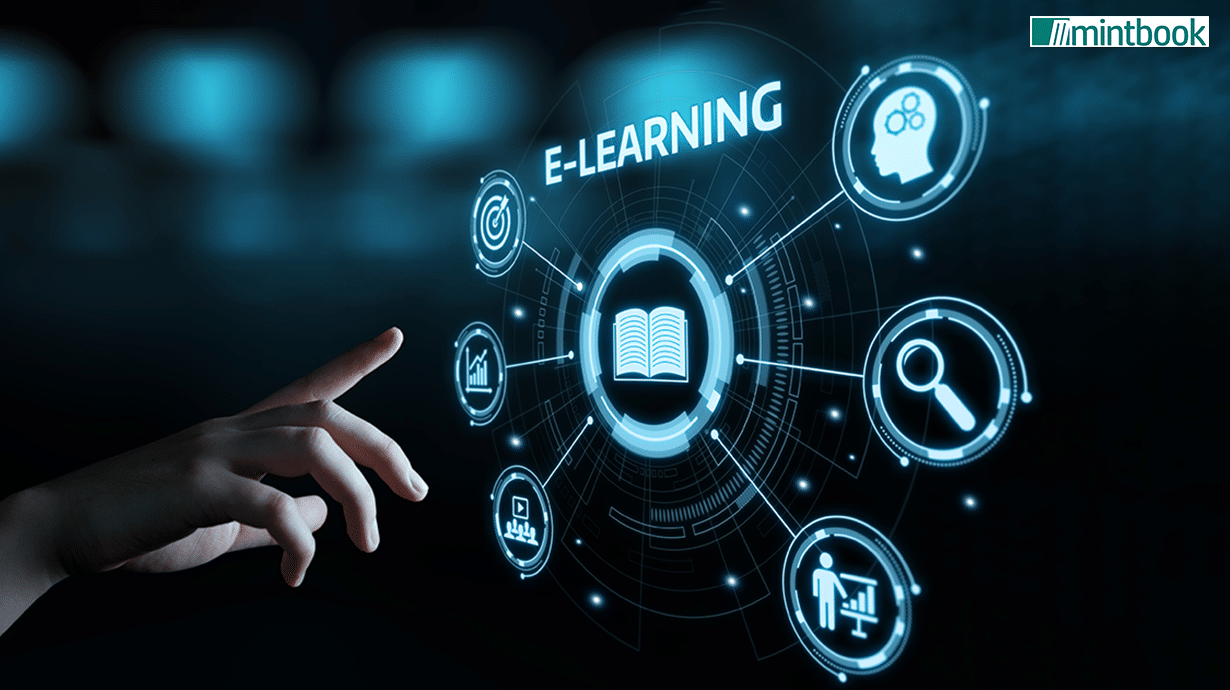
The workplace is changing faster than ever. Technology evolves, industries transform, customer expectations change, and new tools continue to reshape how businesses operate. In this environment, the employee who stops learning can quickly become less relevant, while the employee who keeps learning continues to create new opportunities for growth.
Being valuable at work is not simply about having years of experience. Experience matters, but experience without learning can eventually become outdated. The most valuable employees understand that their education does not end when they leave school or receive their first job. They continue learning because they understand that their ability to adapt is one of their greatest professional assets.
Your current skills may be enough for your current responsibilities, but will they be enough for the responsibilities you want five years from now? That is the question every ambitious professional should be asking.
The workplace does not remain the same. A skill that was highly demanded several years ago may be less important today. New software can replace old processes. Artificial intelligence can change how certain tasks are performed. Businesses can introduce new systems, new strategies, and new expectations. Employees who refuse to adapt may find themselves struggling to keep up.
Continuous learning gives you a different advantage. Instead of waiting for change to force you to adapt, you prepare yourself before the change arrives.
This does not mean you need to learn everything. You do not need to become an expert in every new technology or follow every trend. Instead, identify the skills that are relevant to your industry, your career goals, and the problems you want to solve. Learn deeply enough to become useful.
If you work in technology, keep improving your technical abilities. If you work in business, learn more about customers, finance, marketing, operations, and strategy. If you work in sales, improve your communication, negotiation, and relationship-building skills. If you work in administration, learn how technology and automation can improve productivity. Whatever your profession, there is always something that can make you more effective.
One of the biggest mistakes employees make is believing that learning is only necessary when their employer sends them for training. Your employer may provide opportunities, but your professional growth should not depend entirely on your company. Take responsibility for your own development. Read books, take courses, study industry leaders, experiment with new tools, attend useful events, build personal projects, and learn from people who are ahead of you.
Learning also becomes more powerful when you apply it. There is a major difference between collecting information and developing capability. You can watch hundreds of tutorials without becoming good at something. You can read dozens of books without changing how you work. You can complete multiple courses without being able to solve real problems.
The real value of learning appears when knowledge becomes action.
If you learn a new software tool, use it. If you study a new business strategy, test it. If you learn programming, build something. If you study communication, practice it. If you learn about leadership, apply those principles when working with others. Turn information into experience.
The employees who stand out are often those who make themselves useful beyond the minimum requirements of their job. They do not simply ask, “What am I supposed to do?” They also ask, “What can I improve?”
They notice problems. They suggest solutions. They learn new tools. They improve processes. They help colleagues. They find better ways to complete tasks. They understand that their job is not only about completing assignments but also about contributing to the larger goals of the organization.
This mindset can dramatically change your career.
Imagine two employees with similar qualifications. One does exactly what is required and stops there. The other continuously improves, learns new skills, understands the business, solves problems, and looks for ways to create better results. Over time, their capabilities may become very different even though they started from the same position.
That is why continuous learning is not just about personal development. It is a professional strategy.
Learning also increases your confidence. When you develop new capabilities, you become less afraid of unfamiliar situations. Instead of seeing a new responsibility as a threat, you can see it as an opportunity to learn. Instead of becoming discouraged when technology changes, you can approach it with curiosity.
You do not have to know everything before you start. You only need to be willing to learn what you do not know.
Another important benefit of continuous learning is that it protects your career from becoming too dependent on one skill or one position. The more capabilities you develop, the more adaptable you become. Your value is no longer tied entirely to a single task that someone else could eventually automate, outsource, or replace.
Build a combination of skills.
Learn your profession deeply, but also develop communication, problem-solving, critical thinking, teamwork, digital literacy, and business awareness. The combination can make you significantly more useful than having one technical skill alone.
Do not learn simply to collect certificates. Learn to become better.
A certificate can show that you completed a course, but your ability to solve problems demonstrates what you actually learned. Your portfolio, results, ideas, improvements, and contributions provide stronger evidence of your capabilities.
Your goal should be to become the kind of employee who can say, “I may not know how to do this yet, but I can learn.”
That mindset is powerful because the world will continue to present problems you have never encountered before. No career can be built entirely on what you already know. Eventually, you will face new technologies, new responsibilities, new customers, new competitors, and new challenges.
The ability to learn becomes the ability to adapt.
And the ability to adapt becomes a long-term professional advantage.
Do not wait until you are forced to learn something new. Start learning before you need it. Use your free time intentionally. Spend some time each week developing a skill that can improve your future. Even small, consistent investments in learning can compound over years.
Your career is not built only by the jobs you hold. It is built by the capabilities you accumulate while doing those jobs.
So keep learning.
Learn from your mistakes. Learn from your colleagues. Learn from books. Learn from technology. Learn from customers. Learn from successful people. Learn from failure. Learn from experience. Learn from the problems you encounter every day.
The employee who keeps learning does not remain at the same level forever. They become more capable, more adaptable, and better prepared for new opportunities.
Your current job may be where you work today, but your learning determines what you may be capable of doing tomorrow.
Do not focus only on becoming an employee with more experience. Become an employee with more capability. Keep learning, keep adapting, and keep becoming more valuable.
Categories
- Make Money
- Product Review
- Social Media
- Excel
- Graphics design
- Freelancing/Consulting
- E-commerce and Digital Marketing
- Business
- Self Development
- Tips to Success
- Video Editing
- Photo Editing
- Website Promotion
- YouTube
- Computer
- Phone
- Music
- Spirituality & Faith
- School
- Tech & Digital
- Gaming
- News
- Digital Economy / Technology
- Relationship
- Real Estate
- Creative Arts & Design
- Medical
- Causes
- Networking
Read More
Every day, you make hundreds of decisions. Some are small, like what to eat for breakfast or which route to take to work. Others have the power to shape your future—choosing a career, starting a business, investing your money, or deciding how to spend your time. While many people believe their decisions are based solely on logic or circumstances, there is a deeper force influencing...

Success in academics isn’t just about raw intelligence—it’s about consistency, discipline, and the power of daily habits. While high achievers might seem like they’re born different, many were once ordinary students who reshaped their lives through simple yet powerful routines. Here’s a narrative look into the habits that transform average students into top...

How Gen Z and Young Africans Are Taking Control of Their Future For a long time, success followed a familiar pattern:ask for approval → wait → get selected → move forward. Today, that pattern is failing a generation. Jobs are scarce. Opportunities are delayed. Systems move slowly.Meanwhile, the internet rewards people who build first and ask later. This is why building online...

Here’s a detailed guide on Entrepreneurship & Business, covering key concepts, explanations, and critical points to help you understand and succeed in the field. 1. Introduction to Entrepreneurship & Business Entrepreneurship is the process of starting, developing, and managing a business venture to make a profit. Business refers to any economic activity that provides goods or...

Aujourd’hui, les habitudes de visionnage évoluent rapidement. Les utilisateurs recherchent une solution moderne, pratique et performante pour accéder à leurs contenus préférés. Atlas Pro ONTV répond parfaitement à ces attentes en proposant un service IPTV officiel en France, conçu pour offrir une expérience de...