



















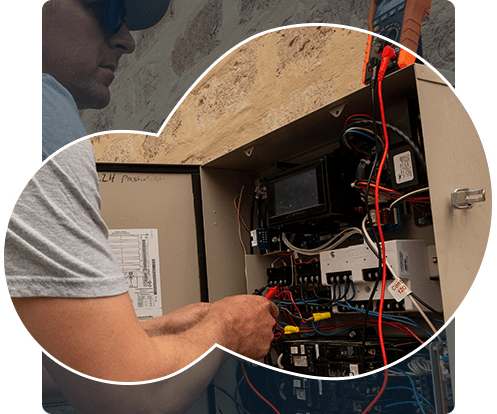

A swimming pool is a valuable investment that provides relaxation, entertainment, and a great way to stay active. However, owning a swimming pool also requires regular maintenance and proper inspections to keep everything working efficiently. Over time, different pool components can develop problems because of regular usage, environmental conditions, chemical imbalances, and natural wear and tear. If these issues are ignored, small problems can quickly turn into expensive repairs.
For homeowners in San Antonio, Texas, regular pool inspections are particularly important because hot summers, strong sunlight, and changing weather conditions can affect pool surfaces, plumbing systems, and equipment. Scheduling routine inspections helps identify potential problems early and keeps swimming pools in better condition. Professional San Antonio pool repair services can also help homeowners address developing issues before they require major restoration or equipment replacement.
Understanding the importance of regular pool inspections can help homeowners save money, improve safety, and extend the lifespan of their swimming pools.
1. Helps Identify Swimming Pool Leaks Early
Swimming pool leaks are among the most common problems that homeowners may experience. Although some water loss through evaporation is normal, excessive water loss can indicate a problem with the pool structure, plumbing lines, fittings, or equipment connections.
Regular inspections help identify early warning signs of leaks, including:
-
Unusual drops in pool water levels.
-
Wet or soft areas around the swimming pool.
-
Cracks near pool walls or floors.
-
Water collecting around pool equipment.
-
Air bubbles appearing in return lines.
If a leak remains undetected, it can lead to water waste, damage to surrounding areas, and additional structural problems.
Professional technicians can perform suitable leak detection tests to identify the source of the problem. Early repairs can prevent more serious damage and reduce long-term maintenance expenses.
2. Protects Pool Pumps and Filtration Systems
The pool pump and filtration system are essential for maintaining clean and properly circulated water. The pump moves water through the filter, where dirt, debris, and other unwanted particles are removed.
When these components are not working correctly, water circulation may decrease, affecting water quality and placing additional pressure on the equipment.
During an inspection, technicians may check:
-
Pump performance and operating condition.
-
Filter cleanliness and pressure readings.
-
Water circulation and return jets.
-
Visible leaks around equipment connections.
-
Unusual noises or vibrations.
Identifying mechanical issues early can help prevent complete equipment failure. Regular inspections also allow technicians to recommend cleaning, adjustments, or repairs when necessary.
3. Prevents Expensive Structural Damage
Swimming pool structures experience continuous exposure to water, chemicals, sunlight, and environmental changes. Over time, these conditions may contribute to cracks, loose tiles, damaged grout, and surface deterioration.
Small cracks may initially appear harmless, but some can indicate more serious structural concerns. If left untreated, they may allow water to escape and cause further damage.
Regular inspections should include checking:
-
Pool walls and floors.
-
Tile surfaces and grout.
-
Steps and entry areas.
-
Pool coping and surrounding edges.
-
Visible cracks and surface discoloration.
A professional inspection can help determine whether a problem is cosmetic or requires more extensive repair work.
Timely attention helps preserve the pool structure and may prevent expensive resurfacing or restoration projects.
4. Maintains Proper Water Chemistry
Balanced water chemistry is essential for maintaining a comfortable swimming environment and protecting pool equipment.
Incorrect chemical levels can contribute to corrosion, scaling, cloudy water, algae growth, and damage to certain pool surfaces.
During regular inspections, pool professionals may test several important water chemistry factors:
pH Levels: Proper pH balance supports effective sanitizer performance and swimmer comfort.
Chlorine Levels: Chlorine helps disinfect pool water and control harmful microorganisms.
Total Alkalinity: Helps stabilize pH and prevent sudden chemical changes.
Calcium Hardness: Helps reduce the risk of scaling and corrosion.
Cyanuric Acid: Helps protect chlorine from sunlight in outdoor swimming pools.
Regular water testing allows technicians to identify imbalances and recommend appropriate adjustments. Maintaining balanced water chemistry helps prevent avoidable damage and supports better pool performance.
5. Detects Plumbing Problems Before They Become Serious
Swimming pool plumbing systems transport water between the pool, pump, filter, heater, and return lines. Problems within these systems can affect water circulation and lead to unexpected water loss.
Common plumbing issues include damaged pipes, blocked lines, loose fittings, and leaking connections.
Some warning signs include:
-
Reduced water flow.
-
Air entering the circulation system.
-
Unexplained water loss.
-
Wet areas around underground plumbing.
-
Poor filtration performance.
Regular inspections help identify visible plumbing problems and determine whether further testing is necessary.
Professional technicians can use specialized equipment and suitable diagnostic methods to locate hidden leaks and recommend appropriate repairs.
6. Improves Swimming Pool Safety
Pool safety should always be a priority for homeowners. Damaged surfaces, faulty equipment, poor water quality, and electrical problems can create unnecessary risks.
Regular inspections help identify potential hazards before they affect swimmers.
Some important inspection areas include:
-
Cracked or slippery pool surfaces.
-
Loose tiles and damaged steps.
-
Faulty circulation equipment.
-
Exposed or damaged electrical components.
-
Problems with visible plumbing connections.
-
Damaged pool ladders and handrails.
Electrical and mechanical problems should always be evaluated by qualified professionals. Homeowners should also maintain appropriate pool barriers, secure gates, safety covers, and supervision practices.
Routine inspections, combined with proper safety measures, help create a more secure swimming environment.
7. Helps Extend the Lifespan of Pool Equipment
Swimming pool equipment represents a significant investment. Pumps, filters, heaters, automatic cleaners, and other components require regular attention to operate efficiently.
Without proper maintenance, dirt buildup, mechanical wear, and chemical imbalances can reduce equipment performance.
During an inspection, professionals can identify signs of deterioration, check operating conditions, and recommend preventive maintenance.
For example, replacing a worn component or correcting a circulation problem early may prevent damage to other parts of the system.
Regular inspections help homeowners make informed decisions about equipment repairs and replacements while protecting their investment.
8. Reduces the Impact of Texas Weather Conditions
San Antonio experiences hot summers, strong sunlight, occasional heavy rainfall, and seasonal temperature changes. These conditions can influence swimming pool maintenance requirements.
High temperatures may increase evaporation and affect chlorine levels. Strong sunlight can contribute to chemical changes, while heavy rain can introduce contaminants and affect water balance.
Wind may also carry dust, leaves, and other debris into outdoor swimming pools.
Regular inspections help homeowners understand how weather conditions affect their pools. Technicians can recommend suitable cleaning schedules, chemical adjustments, and equipment maintenance based on seasonal requirements.
Professional San Antonio pool repair services can also help identify damage caused by environmental exposure and recommend suitable solutions.
9. Helps Homeowners Plan Maintenance Expenses
Unexpected pool repairs can create financial stress, particularly when multiple components develop problems at the same time.
Regular inspections provide an opportunity to identify developing issues and plan necessary maintenance expenses.
For example, if a technician notices that a pump is showing signs of wear, the homeowner can evaluate repair options before the equipment completely fails.
Similarly, identifying minor surface damage early may help prevent the need for more extensive restoration.
Preventive maintenance does not eliminate every repair expense, but it can reduce the likelihood of unexpected breakdowns and help homeowners make better financial decisions.
10. When Should You Schedule a Pool Inspection?
The ideal inspection schedule depends on pool usage, equipment condition, age, and environmental exposure.
However, homeowners should consider scheduling inspections:
-
Before the beginning of the summer swimming season.
-
After severe weather events.
-
When noticing unusual water loss.
-
When pool equipment makes unusual noises.
-
If water clarity or circulation changes unexpectedly.
-
Before opening a pool after an extended period of inactivity.
In addition to these situations, periodic professional inspections can help identify maintenance requirements before problems become serious.
A qualified pool technician can recommend an inspection schedule based on the specific needs of your swimming pool.
11. Why Choose Professional San Antonio Pool Repair Services?
Although homeowners can perform basic cleaning and routine maintenance, some pool problems require professional knowledge and specialized equipment.
Experienced pool technicians understand different pool systems and can identify issues that may not be immediately visible.
When choosing a pool repair company, homeowners should consider the following factors:
Experience and Knowledge: Look for technicians familiar with swimming pool equipment, plumbing systems, structural components, and water chemistry.
Range of Services: Choose a provider that offers relevant inspection, maintenance, leak detection, and repair services.
Customer Reviews: Check feedback from previous customers to understand service quality and reliability.
Transparent Estimates: Request clear pricing and an explanation of recommended repairs.
Professional Recommendations: Select a company that explains the cause of the problem and provides suitable repair options.
Choosing reliable professionals helps ensure that pool problems are evaluated properly and addressed efficiently.
Conclusion
Regular swimming pool inspections are an important part of responsible pool ownership. They help identify leaks, protect pumps and filtration systems, detect structural damage, maintain balanced water chemistry, and improve overall swimming pool safety.
For homeowners in San Antonio, routine inspections are especially valuable because local weather conditions and frequent summer usage can increase maintenance requirements. Identifying problems early can help reduce unexpected expenses and extend the lifespan of important pool components.
By scheduling regular inspections and choosing dependable San Antonio pool repair professionals, homeowners can protect their swimming pool investment and enjoy a cleaner, safer, and more reliable swimming environment throughout the year.