

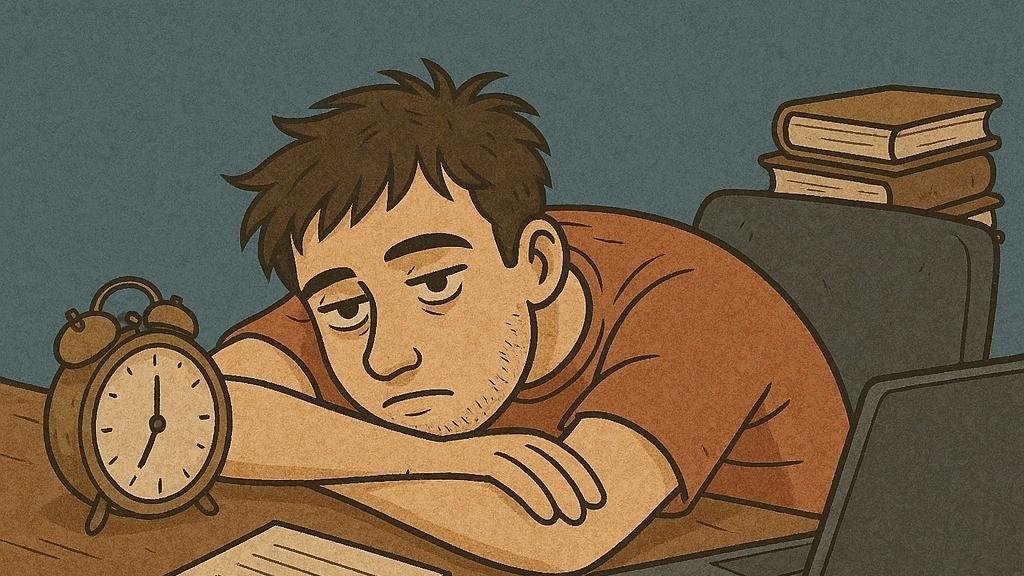
The Psychology Behind Procrastination (and How to Beat It)

A Deep Dive Into the Mind’s Battle With Delay, Avoidance, and Motivation
Procrastination is one of the most universal human experiences. Nearly everyone has postponed an important task at least once — sometimes for hours, days, or even months. Despite knowing a task is important, many people still find themselves scrolling endlessly through social media, reorganizing their desk, watching videos, or doing anything except the one thing they should be doing.
Procrastination is puzzling because it is irrational. It makes no sense to delay something that benefits us or rush through tasks under extreme pressure when we could have done them earlier. Yet people of all ages experience it. Students do it before exams, entrepreneurs before launching a business idea, adults before important decisions, and creators before submitting their work.
To understand how to beat procrastination, we must understand why it happens in the first place. This requires diving into psychology — the hidden emotions, mental triggers, fears, and habits that control human behavior.
This article explores the science behind procrastination, the mental and emotional forces that cause it, and powerful strategies to overcome it. If you want to understand your mind better, break free from avoidance, and become more productive, this guide will give you everything you need.
1. Understanding Procrastination: More Than “Being Lazy”
Many people assume procrastination happens because a person is lazy or disorganized, but psychology tells a different story.
Procrastination is not a time-management problem.
It is an emotional-regulation problem.
This means that people procrastinate not because they don’t know what to do, but because of how they feel about what they need to do.
Procrastination Is Avoidance Behavior
At its core, procrastination is a way of avoiding:
-
stress
-
discomfort
-
fear
-
self-doubt
-
pressure
-
uncertainty
-
boredom
-
perfectionism
When a task triggers unpleasant emotions, your brain chooses a “quick escape” — something easier and more enjoyable in the moment.
Why Your Brain Prefers Short-Term Pleasure
Procrastination happens when immediate comfort beats future benefit. The brain is wired to prefer instant rewards because they release dopamine quickly. This makes the “distracting activity” feel more pleasurable than the important task.
2. The Science: What Happens in the Brain When You Procrastinate
Neuroscience reveals that procrastination is a result of a conflict inside your brain between:
1. The Limbic System
-
This is the emotional center of the brain.
-
It seeks pleasure and avoids discomfort.
-
It triggers procrastination when a task feels stressful, boring, or overwhelming.
2. The Prefrontal Cortex
-
This is the rational, decision-making part of the brain.
-
It handles planning, focus, and discipline.
-
It is responsible for long-term goals.
When procrastination happens, the limbic system hijacks control, overpowering the logical part of your brain.
The Amygdala’s Role
The amygdala detects “threats.” Sometimes, a task feels threatening because of:
-
fear of failure
-
fear of judgment
-
fear of not being good enough
-
perfectionism
-
uncertainty
So your brain avoids the task as if it is protecting you from danger.
Dopamine and Distraction
Scrolling, watching videos, gaming, chatting — these activities release dopamine quickly.
Your brain becomes addicted to this immediate reward, making distractions more appealing than tasks that require effort.
3. The Emotional Roots of Procrastination
Procrastination is deeply emotional. Behind every “delay,” there is a psychological reason.
Here are the most common emotional triggers:
1. Fear of Failure
One of the biggest reasons people procrastinate is because they secretly fear failing the task.
If you don’t start, you don’t have to face failure.
But the irony is:
Not trying becomes the real failure.
2. Perfectionism
Perfectionists procrastinate because the task never feels “good enough” to begin.
Perfectionism creates:
-
unrealistic expectations
-
fear of mistakes
-
paralysis
“So much to do” becomes “I don’t even know where to start.”
3. Low Self-Efficacy (Not Believing in Yourself)
If you believe you are not capable of completing the task, you avoid it.
Thoughts like:
-
“It’s too hard.”
-
“I’m not smart enough.”
-
“I always fail.”
-
“Others do this better than me.”
Self-doubt kills motivation before the task even starts.
4. Overwhelm
When a task feels too big, your brain freezes.
You think:
-
“Where do I begin?”
-
“This is too much.”
-
“I can’t finish this.”
So you avoid it completely.
5. Emotional Exhaustion
When you are mentally tired, your brain chooses the easiest path — usually a distraction.
6. Boredom
If the task does not excite you, the limbic system looks for something more stimulating.
7. Instant Gratification Habit
If your brain is used to quick entertainment, long tasks feel painful.
4. Types of Procrastination: Which One Are You?
Psychology identifies different “procrastinator types.”
1. The Perfectionist
Delays tasks because they want everything to be flawless.
2. The Dreamer
Loves ideas but struggles to take practical steps.
3. The Worrier
Avoids tasks that feel risky or uncertain.
4. The Crisis Creator
Waits until the last minute for adrenaline to kick in.
5. The Over-Doer
Takes on too many tasks and gets overwhelmed.
6. The Overthinker
Spends more time thinking than doing.
Identifying your type helps you understand your behavior patterns and change them.
5. The Procrastination Feedback Loop (and Why It’s Hard to Break)
Procrastination creates a self-feeding cycle:
1. A task triggers discomfort →
stress, fear, boredom, or overwhelm.
2. You avoid the task →
your stress reduces temporarily.
3. You feel relief →
your brain rewards this avoidance with dopamine.
4. Relief reinforces avoidance →
you’re more likely to procrastinate again.
5. Later, guilt and pressure increase →
making the task feel even worse.
6. The loop restarts
Understanding this loop is key to breaking it.
6. Environmental and Lifestyle Contributors
Your environment influences procrastination more than you think.
1. Digital Distractions
Smartphones, apps, notifications, social media — these are designed to steal your attention.
2. Lack of Structure
Without routines or schedules, tasks feel random, chaotic, and overwhelming.
3. Poor Sleep
A tired brain avoids effort.
4. Poor Physical Health
Low energy makes mental work harder.
5. Cluttered Workspace
Clutter increases stress and confusion.
6. Lack of Accountability
If nobody is expecting your work, it’s easier to delay.
7. The Link Between Procrastination, Stress, and Mental Health
While procrastination is normal, chronic procrastination can be a sign of deeper issues:
-
anxiety
-
perfectionism
-
fear-based thinking
-
low confidence
-
poor emotional regulation
It can also lead to:
-
stress
-
guilt
-
lower self-esteem
-
academic or work problems
-
lost opportunities
When procrastination becomes long-term, it affects mental well-being and life progress.
8. How to Beat Procrastination: Evidence-Based Strategies
Here are the most powerful methods used by psychologists, productivity experts, and behavioral scientists.
A. Reprogram Your Mindset
1. Break the Task Into Micro-Steps
The brain hates big, vague tasks.
But it loves small, clear tasks.
Instead of:
“Write a report.”
Try:
-
open a new document
-
write the title
-
write the first sentence
-
outline the first paragraph
Each micro-task feels achievable.
2. The 2-Minute Rule
If a task takes less than 2 minutes, do it immediately.
This builds momentum.
3. Focus on Starting, Not Finishing
Tell your brain:
“I will work for just 5 minutes.”
Most times, you continue far longer.
4. Replace “I have to” with “I choose to.”
This shifts your mindset from pressure to control.
B. Overcome Emotional Blocks
1. Label the Emotion
Ask yourself:
“What emotion is making me avoid this?”
Fear?
Self-doubt?
Boredom?
Once you name it, it becomes easier to manage.
2. Practice Self-Compassion
Instead of beating yourself up, say:
“It’s okay to struggle. I can start small.”
This reduces stress and resistance.
3. Challenge Negative Thoughts
Replace
“I can’t do this”
with
“I can do this step by step.”
C. Behavioral Strategies
1. Use Time Blocks
Dedicate a specific time limit to each task.
Your brain works better under structure.
2. Use the Pomodoro Technique
-
25 minutes of work
-
5 minutes break
Repeat 4 cycles, then take a longer break.
This prevents burnout and increases focus.
3. Create a Distraction-Free Environment
-
turn off notifications
-
block distracting apps
-
keep only needed tools on your desk
4. Use a “Work Theme” for Each Day
Example:
-
Monday — planning
-
Tuesday — research
-
Wednesday — execution
-
Thursday — review
-
Friday — admin tasks
This gives clarity and reduces overwhelm.
D. Build Accountability
1. Public Commitment
Tell someone your goal.
You are more likely to do it.
2. Partner Accountability
Work with a friend or colleague and check on each other.
3. Reward Yourself
Use positive reinforcement:
-
treat
-
break
-
music
-
rest
Rewards train your brain to enjoy productivity.
E. Improve Lifestyle Factors
1. Get Enough Sleep
A rested brain is less likely to procrastinate.
2. Eat for Energy
Your brain needs fuel for focus.
3. Exercise Regularly
Exercise increases dopamine and reduces stress — both crucial for beating procrastination.
4. Declutter Your Workspace
A clean space increases mental clarity.
F. Build Long-Term Habits
1. Set SMART Goals
-
specific
-
measurable
-
achievable
-
realistic
-
time-bound
Clear goals reduce uncertainty.
2. Track Your Progress
Use:
-
journals
-
apps
-
to-do lists
Tracking reinforces consistency.
3. Celebrate Small Wins
Your brain responds strongly to progress.
9. Building Long-Term Discipline and Focus
Discipline is not something you are born with — it is something you build through repetition and environment design.
1. Train Your Brain Daily
Small daily tasks strengthen your willpower.
2. Create Identity-Based Habits
Instead of saying:
“I want to be productive.”
Say:
“I am someone who finishes what I start.”
This identity shift changes behavior.
3. Reduce Friction
Make good habits easy:
-
keep your materials ready
-
minimize setup time
4. Increase Friction for Distractions
Make distractions hard:
-
log out of social media
-
leave your phone away
-
use website blockers
10. Tracking Your Progress and Staying Accountable
To stay consistent:
-
use weekly reviews
-
adjust strategies
-
track triggers
-
note what caused procrastination
-
build systems, not motivation
Over time, you will learn patterns and overcome them.
11. Closing Thoughts
Procrastination is not a personal flaw — it is a psychological response rooted in emotion, fear, and habit. By understanding the emotional and neurological forces behind it, you can learn to take control of your behavior.
Beating procrastination requires:
-
self-awareness
-
small steps
-
emotional regulation
-
better environment
-
structured strategies
-
kindness toward yourself
Remember:
Progress is more powerful than perfection.
With the right systems, anyone can overcome procrastination and unlock productivity, confidence, and better mental well-being.