
 Terms and Conditions
 Legal & Business Law Agreement
 Child Safety & Policy
 App Installation Guide
 User Guide Page
 Investors & Partnership agreement
 About Us
 Flowisetech Earning Guide
 Terms of Use
 Privacy Policy
 Help
Help
 FAQs
FAQs
 Community Guidelines
 Our Purpose
 Withdrawal Terms
 Verification Terms
 Community Policy
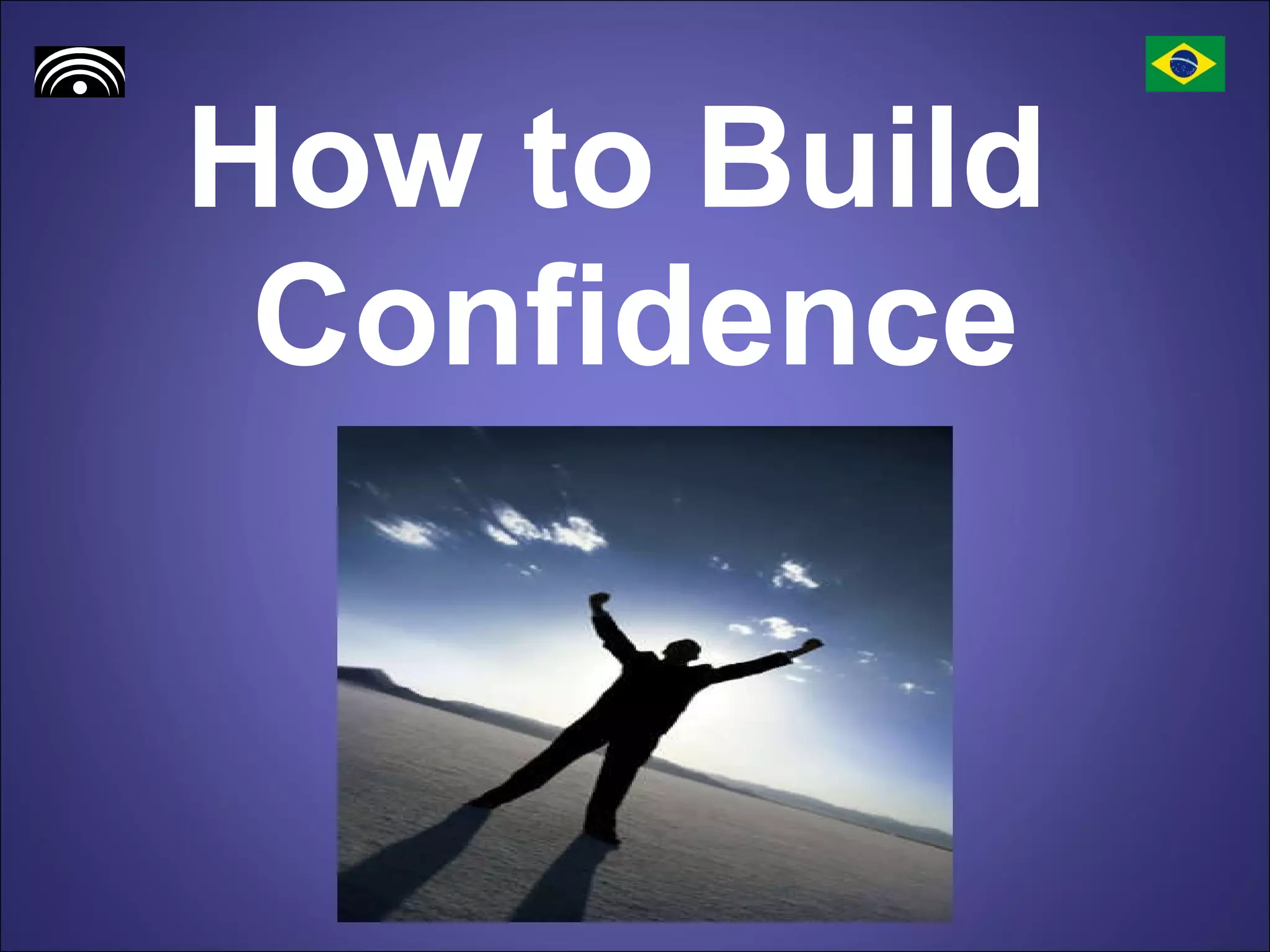
Building confidence while still figuring things out is all about mindset, small wins, and intentional practice. Here’s a structured approach:
1. Reframe What Confidence Means
• Confidence doesn’t mean having all the answers.
• It means trusting yourself to handle uncertainty and being okay with learning as you go.
• Shift your internal narrative from “I need to know everything” → “I can figure things out.”
2. Break Tasks Into Micro-Actions
• Large challenges can feel overwhelming and erode confidence.
• Break them into small, achievable steps.
• Example: Instead of “I need to master public speaking,” try:
1. Speak up in a small team meeting.
2. Record a 2-minute video explaining something.
3. Present a short idea to a friend.
Each micro-win builds your sense of competence.
3. Celebrate Progress, Not Perfection
• Keep a “win journal”: jot down anything you accomplished—even small things.
• Reflection helps you internalize that growth is happening, even if you’re still learning.
4. Practice Being Curious, Not Judged
• When you feel unsure, ask questions instead of pretending to know.
• Curiosity is inherently confident because it shows engagement and initiative, not arrogance.
5. Fake the Body Language (Yes, It Works)
• Stand tall, make eye contact, speak clearly—these physical cues signal confidence to your brain and others.
• Even if your mind is “figuring it out,” your body can help you act confident, which over time becomes internalized.
6. Surround Yourself With Support
• Seek mentors, peers, or communities who encourage growth.
• Confidence grows faster when you have people who acknowledge effort and improvement, not just outcomes.
7. Redefine Failure
• Every misstep is data, not a judgment on your worth.
• Treat failure as a learning loop: try → reflect → adjust → repeat.
• The more comfortable you are with small failures, the more confident you become in taking risks.
8. Actively Learn in Public
• Share your learning process instead of hiding it.
• Example: blogging, posting insights, asking questions in meetings.
• People respect honesty, and it builds confidence as you own your journey openly.
Key mindset shift: Confidence isn’t a destination—it’s a muscle you develop by showing up, taking imperfect action, and reflecting on growth.
1. Reframe What Confidence Means
• Confidence doesn’t mean having all the answers.
• It means trusting yourself to handle uncertainty and being okay with learning as you go.
• Shift your internal narrative from “I need to know everything” → “I can figure things out.”
2. Break Tasks Into Micro-Actions
• Large challenges can feel overwhelming and erode confidence.
• Break them into small, achievable steps.
• Example: Instead of “I need to master public speaking,” try:
1. Speak up in a small team meeting.
2. Record a 2-minute video explaining something.
3. Present a short idea to a friend.
Each micro-win builds your sense of competence.
3. Celebrate Progress, Not Perfection
• Keep a “win journal”: jot down anything you accomplished—even small things.
• Reflection helps you internalize that growth is happening, even if you’re still learning.
4. Practice Being Curious, Not Judged
• When you feel unsure, ask questions instead of pretending to know.
• Curiosity is inherently confident because it shows engagement and initiative, not arrogance.
5. Fake the Body Language (Yes, It Works)
• Stand tall, make eye contact, speak clearly—these physical cues signal confidence to your brain and others.
• Even if your mind is “figuring it out,” your body can help you act confident, which over time becomes internalized.
6. Surround Yourself With Support
• Seek mentors, peers, or communities who encourage growth.
• Confidence grows faster when you have people who acknowledge effort and improvement, not just outcomes.
7. Redefine Failure
• Every misstep is data, not a judgment on your worth.
• Treat failure as a learning loop: try → reflect → adjust → repeat.
• The more comfortable you are with small failures, the more confident you become in taking risks.
8. Actively Learn in Public
• Share your learning process instead of hiding it.
• Example: blogging, posting insights, asking questions in meetings.
• People respect honesty, and it builds confidence as you own your journey openly.
Key mindset shift: Confidence isn’t a destination—it’s a muscle you develop by showing up, taking imperfect action, and reflecting on growth.
Building confidence while still figuring things out is all about mindset, small wins, and intentional practice. Here’s a structured approach:
1. Reframe What Confidence Means
• Confidence doesn’t mean having all the answers.
• It means trusting yourself to handle uncertainty and being okay with learning as you go.
• Shift your internal narrative from “I need to know everything” → “I can figure things out.”
2. Break Tasks Into Micro-Actions
• Large challenges can feel overwhelming and erode confidence.
• Break them into small, achievable steps.
• Example: Instead of “I need to master public speaking,” try:
1. Speak up in a small team meeting.
2. Record a 2-minute video explaining something.
3. Present a short idea to a friend.
Each micro-win builds your sense of competence.
3. Celebrate Progress, Not Perfection
• Keep a “win journal”: jot down anything you accomplished—even small things.
• Reflection helps you internalize that growth is happening, even if you’re still learning.
4. Practice Being Curious, Not Judged
• When you feel unsure, ask questions instead of pretending to know.
• Curiosity is inherently confident because it shows engagement and initiative, not arrogance.
5. Fake the Body Language (Yes, It Works)
• Stand tall, make eye contact, speak clearly—these physical cues signal confidence to your brain and others.
• Even if your mind is “figuring it out,” your body can help you act confident, which over time becomes internalized.
6. Surround Yourself With Support
• Seek mentors, peers, or communities who encourage growth.
• Confidence grows faster when you have people who acknowledge effort and improvement, not just outcomes.
7. Redefine Failure
• Every misstep is data, not a judgment on your worth.
• Treat failure as a learning loop: try → reflect → adjust → repeat.
• The more comfortable you are with small failures, the more confident you become in taking risks.
8. Actively Learn in Public
• Share your learning process instead of hiding it.
• Example: blogging, posting insights, asking questions in meetings.
• People respect honesty, and it builds confidence as you own your journey openly.
💡 Key mindset shift: Confidence isn’t a destination—it’s a muscle you develop by showing up, taking imperfect action, and reflecting on growth.
0 Comments
•0 Shares
•148 Views
•0 Reviews