Tech skills refer to the abilities and knowledge needed to perform tasks that require the use of technology, especially in areas related to computer systems, software, hardware, and various technological tools. Here are some common tech skills:
1. Programming Languages:
Python, Java, C++, JavaScript, HTML/CSS for web development, software, and app development.
SQL for database management.
R, MATLAB for data science and analytics.
2. Web Development:
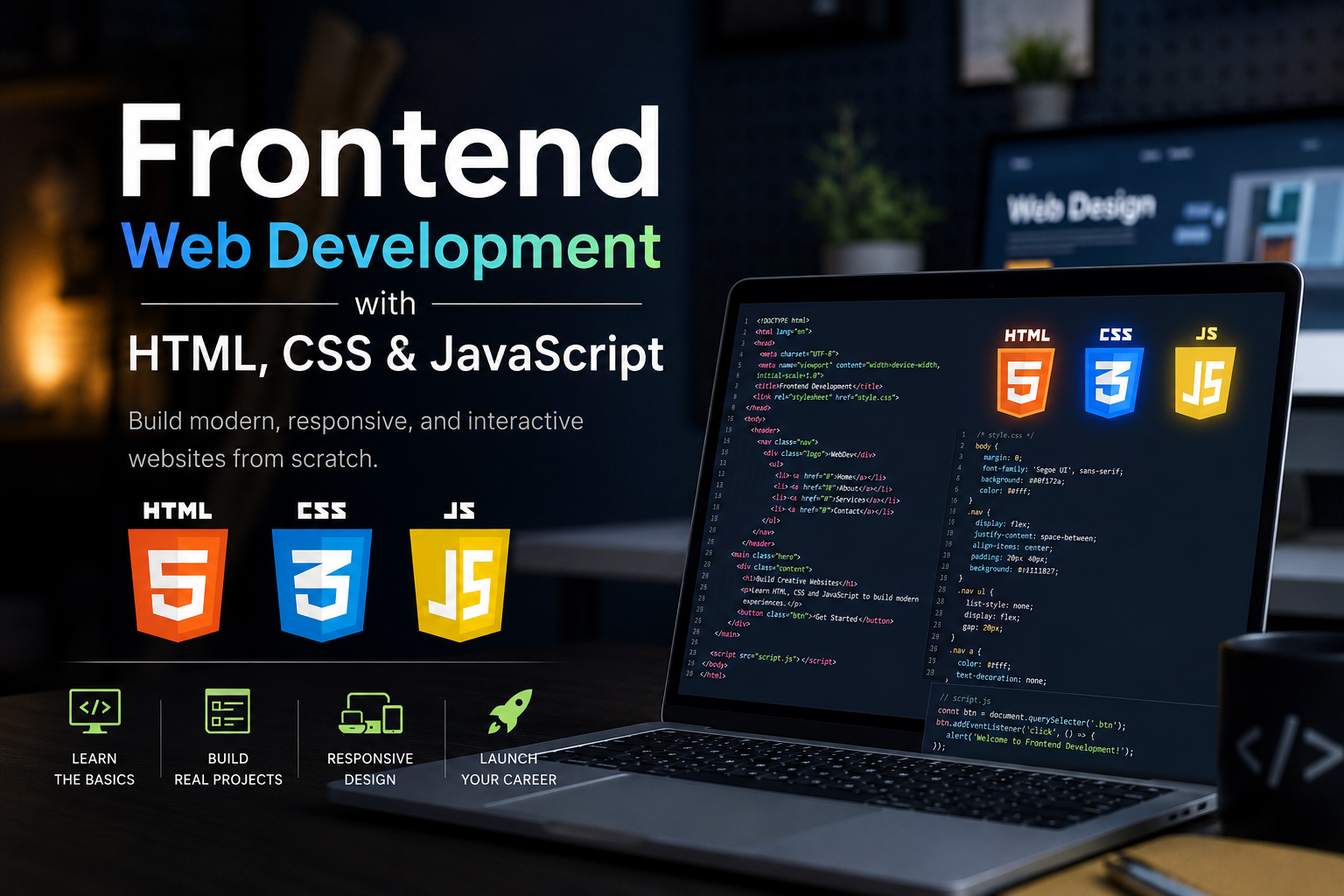
Front-end: HTML, CSS, JavaScript, React, Angular, Vue.js.
Back-end: Node.js, Ruby on Rails, Django, Flask, PHP, Java.
Web frameworks like Bootstrap for building responsive web pages.
3. Cloud Computing:
AWS, Microsoft Azure, Google Cloud for hosting, storage, and cloud services.
Familiarity with cloud architecture, virtual machines, and serverless computing.
4. Data Science & Analytics:
Data analysis with tools like Excel, Tableau, Power BI.
Programming in Python (Pandas, NumPy), R, and data visualization techniques.
Machine Learning using libraries such as TensorFlow, PyTorch, Scikit-learn.
5. Cybersecurity:
Knowledge of firewalls, encryption, network security, and protocols.
Familiarity with ethical hacking tools (e.g., Metasploit, Wireshark).
Understanding of penetration testing, intrusion detection systems (IDS), and threat analysis.
6. DevOps & Automation:
Tools like Docker, Kubernetes, Jenkins, and CI/CD pipelines for continuous integration and deployment.
Automation using Ansible, Terraform, or Puppet.
7. Mobile App Development:
Knowledge of iOS (Swift, Objective-C) or Android (Java, Kotlin) development.
Experience with cross-platform tools like Flutter, React Native.
8. Artificial Intelligence & Machine Learning:
Deep learning frameworks (e.g., Keras, TensorFlow).
Algorithm development and model training for tasks like natural language processing (NLP), image recognition, and more.
9. Networking & IT Support:
Familiarity with TCP/IP, DNS, HTTP, and networking protocols.
System administration (Linux, Windows Server).
Troubleshooting and managing network configurations.
10. Software Development Tools:
Version control: Git, GitHub, GitLab.
IDEs: Visual Studio Code, IntelliJ IDEA, Eclipse.