

Solution Hub Groups Pages Market Events Blogs Funding Offers Jobs Courses Movies Games Merits
 Terms and Conditions
 Legal & Business Law Agreement
 Child Safety & Policy
 App Installation Guide
 User Guide Page
 Investors & Partnership agreement
 Flowisetech ambassador policy
 About Us
 Flowisetech Earning Guide
 Terms of Use
 Privacy Policy
 Help
Help
 FAQs
FAQs
 Community Guidelines
 Our Purpose
 Withdrawal Terms
 Verification Terms
 Community Policy
Remote Work vs Office in Tech: The Real Trade-Offs
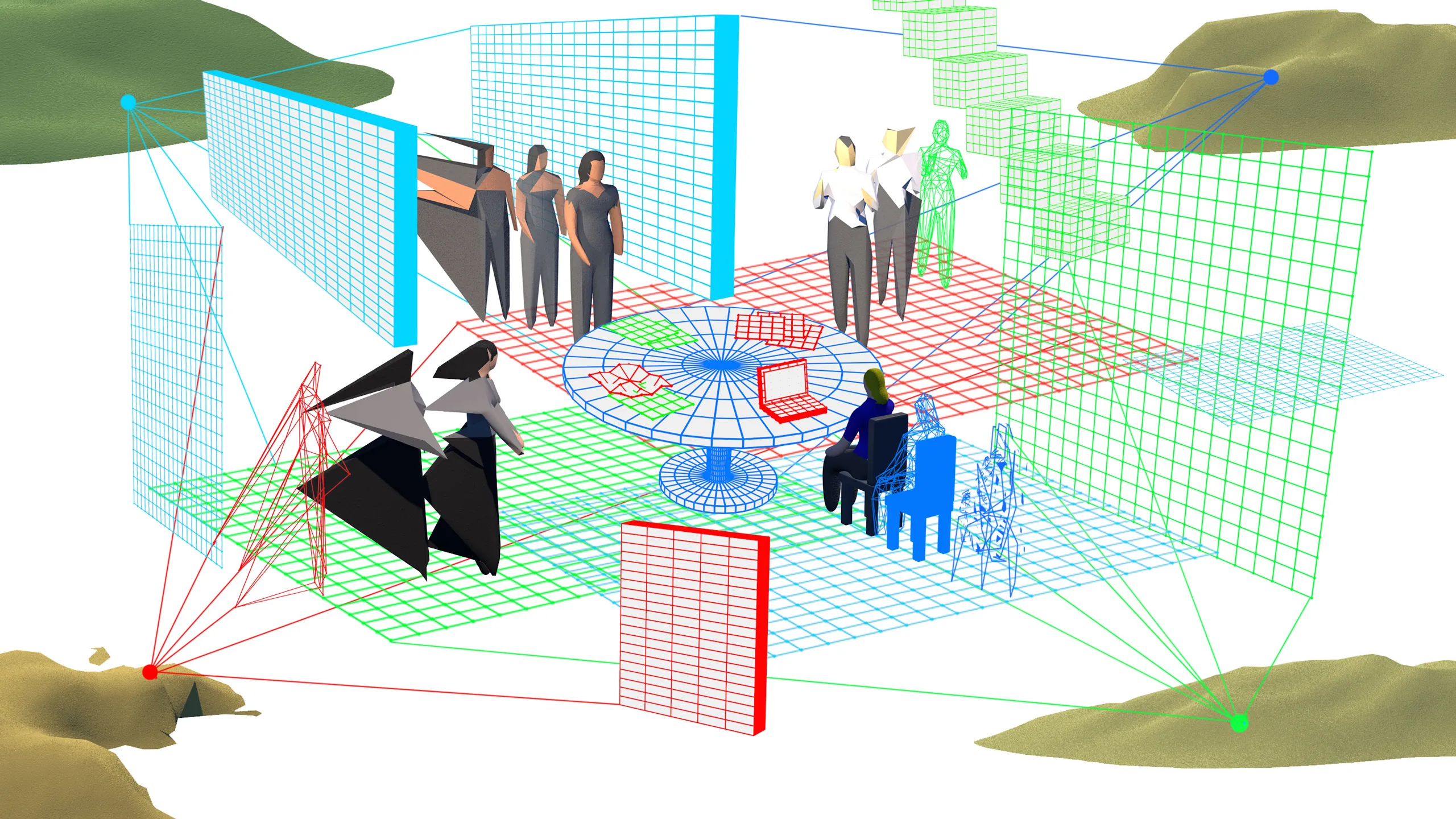
Remote work isn’t just a trend anymore.
Office work isn’t dead either.
In tech, both models are thriving — from fully distributed companies like GitLab to hybrid setups at Google and structured in-office cultures at Apple.
The real question isn’t:
Which one is better?
It’s:
Which trade-offs are you willing to accept?
Let’s break it down honestly.
1. Freedom vs Structure
Remote Work: Maximum Autonomy
Advantages:
-
Work from anywhere
-
Flexible schedules (in many roles)
-
No commute
-
Greater control over your daily routine
Remote work gives you ownership over your time. You can design your day around peak productivity hours. For many engineers and designers, this leads to deeper focus and higher-quality output.
The Trade-Off:
You must create your own structure.
No one is physically present to:
-
Notice if you’re stuck
-
Keep you accountable
-
Encourage momentum
Without discipline, productivity can drop quickly. Remote work rewards self-management.
Office Work: Built-In Routine
Advantages:
-
Clear start and end to the workday
-
Immediate collaboration
-
Faster feedback loops
-
Stronger social interaction
An office provides environmental structure. You go in, you work, you leave. That physical separation can help protect work-life balance.
The Trade-Off:
Less flexibility.
You sacrifice autonomy for routine. Commutes consume time and energy. Location flexibility disappears.
2. Deep Focus vs Instant Collaboration
Remote: Optimized for Deep Work
Remote environments often reduce spontaneous interruptions. Meetings can be more intentional. You can block off focused work sessions.
For technical roles that require long periods of concentration, this is powerful.
However:
-
Communication delays happen
-
Slack threads replace quick conversations
-
Misunderstandings can last longer
Deep work improves — but alignment may slow down.
Office: Faster Alignment and Brainstorming
In-person collaboration accelerates:
-
Whiteboard sessions
-
Brainstorming
-
Rapid decision-making
-
Problem-solving
Quick desk-side conversations can replace long message chains. In fast-moving product teams, that speed matters.
But constant availability can also reduce uninterrupted focus time.
3. Career Growth: Visibility vs Independence
This is where many professionals underestimate the difference.
Remote Risk: Reduced Visibility
In remote setups:
-
You must communicate your impact clearly
-
Your work doesn’t “speak for itself”
-
Promotions require intentional visibility
If you don’t document achievements and speak up in meetings, you may be overlooked.
Remote work demands strong written communication and proactive reporting.
Office Advantage: Proximity Bias
Being physically present often leads to:
-
Informal conversations with leadership
-
Stronger personal relationships
-
Higher perceived engagement
This can influence promotions — sometimes subconsciously.
Proximity bias is real. The more leadership sees you, the more they think of you.
That’s an important trade-off to understand.
4. Lifestyle Design vs Clear Boundaries
Remote Lifestyle
Pros:
-
Live in lower-cost cities
-
Travel flexibility
-
More family time
-
Greater work-life integration
Cons:
-
Harder to “switch off”
-
Home becomes workplace
-
Increased isolation risk
Remote work blends life and work. For some, that’s liberating. For others, it’s exhausting.
Boundaries must be intentional.
Office Lifestyle
Pros:
-
Clear separation between work and home
-
Built-in social interaction
-
Easier mental transitions
Cons:
-
Commute time
-
Higher cost of living in tech hubs
-
Less flexibility
The office creates structure that can protect mental health — especially for those who struggle with isolation.
5. Compensation and Geography
Remote work has changed salary conversations.
Some companies:
-
Adjust pay based on location
-
Offer uniform compensation regardless of geography
Working remotely may allow you to earn a tech salary while living in a lower-cost area.
Office roles may anchor compensation to expensive cities.
Understanding this can significantly impact long-term financial growth.
6. Early Career vs Senior Level
This distinction is often overlooked.
Early Career Professionals
Being in the office can accelerate:
-
Mentorship
-
Learning through observation
-
Cultural immersion
-
Informal coaching
Seeing how senior engineers think and operate daily can compound growth.
Senior Professionals
Remote becomes easier because:
-
You already understand systems
-
You require less supervision
-
You communicate clearly
-
You manage your time effectively
Remote work favors independence.
Office work favors immersive learning.
7. Personality Matters More Than Policy
Ask yourself:
-
Do I thrive in quiet environments?
-
Do I need structure to stay focused?
-
Do I gain energy from being around others?
-
Do I struggle with isolation?
There is no universal answer.
Some people perform best in silence.
Others do their best thinking in conversation.
Your temperament matters more than trends.
The Real Trade-Off
Remote = Freedom + Responsibility
Office = Structure + Visibility
Neither is perfect. Both have advantages and costs.
The smartest professionals don’t ask:
“Which one is better?”
They ask:
“Which environment helps me perform at my highest level right now?”
Because in tech, performance compounds your career — not your location.
Categories
- Make Money
- Product Review
- Social Media
- Excel
- Graphics design
- Freelancing/Consulting
- E-commerce and Digital Marketing
- Business
- Self Development
- Tips to Success
- Video Editing
- Photo Editing
- Website Promotion
- YouTube
- Computer
- Phone
- Music
- Spirituality & Faith
- School
- Tech & Digital
- Gaming
- News
- Digital Economy / Technology
- Relationship
- Real Estate
- Creative Arts & Design
- Medical
- Causes
- Networking
Read More
With activewear prices climbing across almost every brand, it's fair to pause before adding another hoodie or pair of joggers to the cart. Vuori sits in that premium price bracket where a single item can cost more than an entire outfit from a fast-fashion store. That naturally raises one honest question: is Vuori worth buying, or is it just another trendy label riding a wave of social...

Does AT&T own BellSouth today? Learn how BellSouth became part of AT&T and what that means for BellSouth.net email users. Call +1-888-449-5016 or 1-800-288-2020 (Toll-Free) for assistance. For many longtime internet users, BellSouth remains a familiar name, especially for those who still use a @bellsouth.net email address. One of the most common questions people ask today is: Is...

Why Skills, Content, and Online Presence Matter More Than Job Titles For decades, careers followed a predictable path:education → job → promotion → retirement. That model is breaking. Today, the fastest-growing careers are not defined by offices or employers—they are built around digital assets. And for Gen Z and young Africans, this shift is opening doors that never...
Flickity is a JavaScript library for creating responsive, touch-friendly carousels and sliders. Below is a guide on how to create a Flickity slider in JavaScript, including key points and an example. 1. Include Flickity Library To use Flickity, you need to include its CSS and JavaScript files in your project. Via CDN Add the following in your HTML file: <!-- Flickity CSS -->...
There is a familiar story playing out in many Nigerian homes today. A young graduate wakes up each morning and reaches for their phone, scrolling through job portals, WhatsApp groups, and social media pages in search of one piece of good news. Maybe a recruitment list has been released. Maybe an agency has announced fresh vacancies. Maybe an email has arrived with an invitation to an aptitude...