


Solution Hub Groups Pages Market Events Blogs Funding Offers Jobs Courses Movies Games Merits
 Terms and Conditions
 Legal & Business Law Agreement
 Child Safety & Policy
 App Installation Guide
 User Guide Page
 Investors & Partnership agreement
 Flowisetech ambassador policy
 About Us
 Flowisetech Earning Guide
 Terms of Use
 Privacy Policy
 Help
Help
 FAQs
FAQs
 Community Guidelines
 Our Purpose
 Withdrawal Terms
 Verification Terms
 Community Policy
Income Is Not Wealth: What Young People Must Understand Early
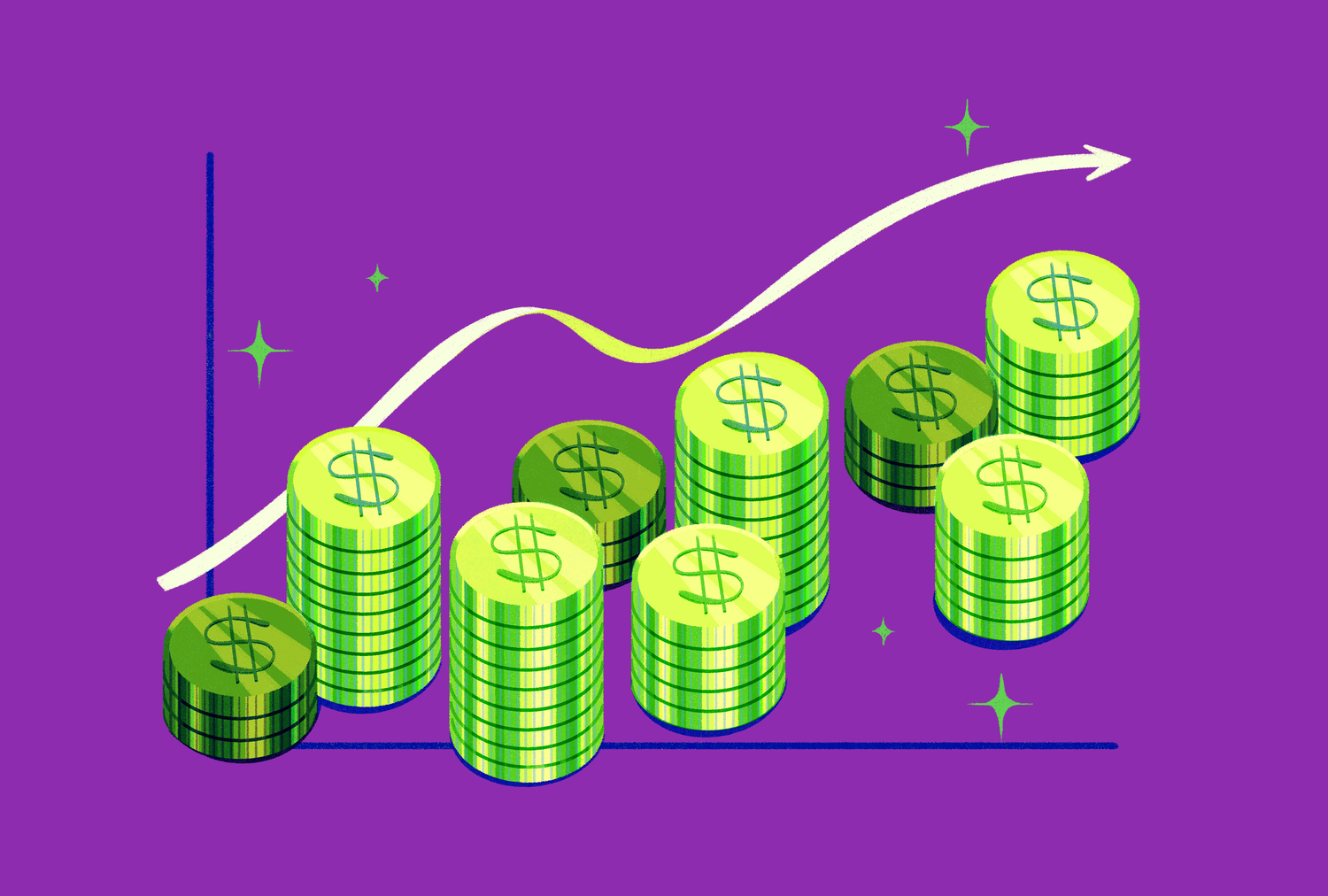
For many young people, the goal is clear: earn more money.
A better job. A higher salary. More income.
It feels like the obvious path to financial success.
But there’s a critical truth that often gets missed early:
income is not the same as wealth.
And misunderstanding this can keep you working hard without ever moving forward.
The Illusion of High Income
Earning more money can improve your lifestyle—but it doesn’t automatically improve your financial position.
You can have:
-
A high-paying job
-
A steady income
-
A comfortable lifestyle
…and still be financially unstable.
Why? Because income only tells you how much money comes in.
It says nothing about what you keep, what you build, or what grows.
What Wealth Really Means
Wealth is not about how much you earn.
It’s about what you accumulate and sustain over time.
In simple terms:
-
Income is what you make
-
Wealth is what you keep and grow
Wealth includes:
-
Savings
-
Investments
-
Assets that generate income or increase in value
It is what gives you stability, options, and long-term freedom.
Why Many Young People Get It Wrong
Early in life, it’s easy to focus only on earning.
There’s pressure to:
-
Keep up with peers
-
Upgrade lifestyle quickly
-
Spend as income increases
This creates a pattern where:
-
Higher income leads to higher spending
-
Saving becomes inconsistent
-
Long-term planning is ignored
Without realizing it, income grows—but wealth does not.
The Lifestyle Trap
One of the biggest obstacles to building wealth is lifestyle inflation.
As income increases, spending increases with it:
-
Better phones
-
Better clothes
-
More outings
-
More comfort
Individually, these choices may seem small. Together, they prevent progress.
If every increase in income is matched by an increase in spending, nothing is left to build.
The Shift: From Earning to Building
The key is not to ignore income—but to change how you use it.
Instead of asking:
“How much can I spend?”
Start asking:
“How much can I build?”
This shift changes your financial direction:
-
You begin to save consistently
-
You invest intentionally
-
You think long-term instead of short-term
Income becomes a tool—not the end goal.
Building Wealth Early: The Advantage
Starting early gives you one major advantage: time.
Even small, consistent actions can grow significantly over time:
-
Saving regularly
-
Investing consistently
-
Avoiding unnecessary debt
The earlier you start, the less pressure you face later.
Simple Principles to Follow
If you understand this early, you can avoid years of financial struggle.
Focus on:
-
Living below your means
-
Saving a fixed percentage of your income
-
Investing regularly, even if it’s small
-
Avoiding unnecessary expenses and debt
-
Building assets, not just income
These habits create a strong financial foundation.
Final Thought
Income can make life easier.
But wealth is what makes life stable.
If you focus only on earning, you may always need to work harder.
If you focus on building wealth, your money begins to work for you.
The earlier you understand this, the further ahead you’ll be.
Categories
- Make Money
- Product Review
- Social Media
- Excel
- Graphics design
- Freelancing/Consulting
- E-commerce and Digital Marketing
- Business
- Self Development
- Tips to Success
- Video Editing
- Photo Editing
- Website Promotion
- YouTube
- Computer
- Phone
- Music
- Spirituality & Faith
- School
- Tech & Digital
- Gaming
- News
- Digital Economy / Technology
- Relationship
- Real Estate
- Creative Arts & Design
- Medical
- Causes
- Networking
Read More
Blockchain technology has revolutionized the financial world, enabling decentralized applications (dApps) and smart contracts. This guide will walk you through developing smart contracts and creating a cryptocurrency wallet with full source code, explanations, key points, and best practices. 1. Developing Smart Contracts A smart contract is a self-executing program stored on a blockchain...
Every fan wants merchandise that represents more than just an artist's name. The best apparel captures a legacy, tells a story, and becomes part of your everyday style. That's exactly what makes MF Doom Merch a standout choice for streetwear enthusiasts. Inspired by one of hip-hop's most creative and influential artists, this collection is designed for fans who appreciate originality, quality,...

In today’s world, who you know often matters as much as what you know. As a young person, you may already hear people saying, “Your network is your net worth.” And they are right. Whether you want to land your first job, launch a startup, or get access to opportunities, networking can open doors that talent alone cannot. But networking doesn’t just mean collecting...

Online gaming has become one of the most popular forms of entertainment for people around the world. Players look for platforms that are easy to use, offer a wide selection of games, provide secure payment methods, and deliver reliable customer support. Z188 is one such online gaming platform that brings together many exciting features in one convenient place. Designed with user comfort in...

Here’s a structured explanation of Python Data Structures covering the subtopics you mentioned: 1. Lists Lists are mutable sequences used to store collections of items. List Methods append(item): Adds an item to the end of the list. extend(iterable): Adds all elements from an iterable to the list. insert(index, item): Inserts an item at the specified position. remove(item):...