

Solution Hub Groups Pages Market Events Blogs Funding Offers Jobs Courses Movies Games Merits
 Terms and Conditions
 Legal & Business Law Agreement
 Child Safety & Policy
 App Installation Guide
 User Guide Page
 Investors & Partnership agreement
 Flowisetech ambassador policy
 About Us
 Flowisetech Earning Guide
 Terms of Use
 Privacy Policy
 Help
Help
 FAQs
FAQs
 Community Guidelines
 Our Purpose
 Withdrawal Terms
 Verification Terms
 Community Policy
I Don't Know What to Learn Online—Start Here
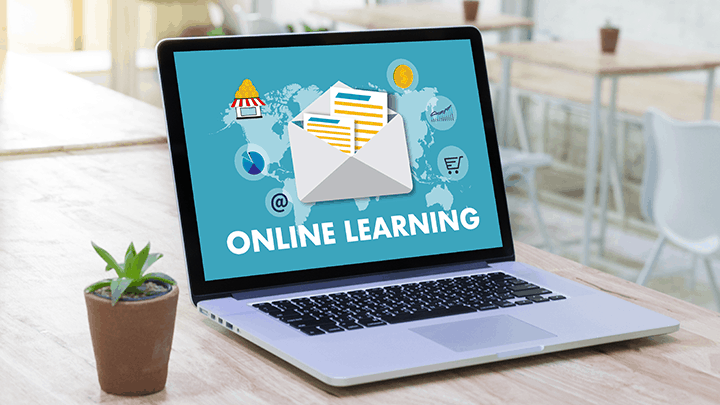
The internet has made learning easier than ever before. With thousands of free and paid courses available, almost anyone can learn a valuable skill from the comfort of their home. Ironically, this abundance of opportunities has created a new problem: too many choices. If you've ever found yourself scrolling through YouTube, Udemy, Coursera, or countless blog posts wondering what to learn, you're not alone. Many people spend weeks researching instead of actually learning because they're afraid of making the wrong choice.
The truth is that you don't need to learn everything. You only need to learn something that aligns with your goals. Before enrolling in any course, ask yourself one important question: Why do I want to learn online? Your answer will help narrow your options. If your goal is to earn money as quickly as possible, focus on skills that businesses already pay for, such as graphic design, video editing, social media management, copywriting, virtual assistance, or website design. These skills can often be turned into freelance income even before you become an expert.
If technology excites you, there are many long-term career opportunities worth exploring. Web development, mobile app development, cloud computing, cybersecurity, artificial intelligence, data analysis, and project management continue to be in high demand across industries. While these fields require commitment and continuous learning, they also offer excellent career growth and earning potential.
For people who enjoy creativity and communication, content creation can be an excellent path. Skills such as blogging, content writing, YouTube creation, podcasting, photography, video production, and personal branding can eventually become profitable when combined with consistency and quality. Likewise, if you're interested in business, learning digital marketing, sales, e-commerce, affiliate marketing, customer service, or business strategy can help you build or grow a successful business.
One of the biggest mistakes beginners make is trying to learn multiple skills at the same time. They start learning programming on Monday, switch to graphic design on Wednesday, watch videos about AI on Friday, and end up mastering none of them. Progress comes from focus, not variety. Choose one skill and commit to learning it for at least three months. During that time, spend more time practicing than consuming content.
Learning alone is never enough. Knowledge becomes valuable only when you apply it. If you're learning web development, build websites. If you're studying graphic design, create posters and logos. If you're learning writing, publish articles. If you're studying digital marketing, run campaigns or create marketing plans. Every project you complete becomes part of your portfolio, and your portfolio is often more valuable than a certificate because it demonstrates what you can actually do.
It's also important not to get distracted by every new trend. Every year there seems to be a "next big thing," and many people jump from one trending skill to another without developing expertise in any of them. While staying informed is important, lasting success usually belongs to people who choose one valuable skill, become highly competent, and continue improving over time. Trends may come and go, but strong foundational skills remain valuable.
A simple roadmap can make your learning journey much easier: choose one skill, learn the fundamentals, practice consistently, build real projects, seek feedback, create a portfolio, and begin looking for opportunities to earn from what you've learned. As your confidence and experience grow, you can expand into related skills without losing focus.
Finally, don't wait until you're completely certain you've chosen the perfect skill. There is rarely a perfect starting point. Many successful professionals began with one skill and later discovered new interests that shaped their careers. The discipline, problem-solving ability, and confidence you gain from learning one skill will make future learning much easier. Your first choice doesn't have to define your entire future—it simply needs to get you moving.
The biggest mistake isn't choosing the wrong skill; it's choosing nothing at all. Start with one meaningful skill, stay consistent, and trust the learning process. Months from now, you'll be grateful that you stopped wondering what to learn and finally started building a future with the knowledge you gained.
Categories
- Make Money
- Product Review
- Social Media
- Excel
- Graphics design
- Freelancing/Consulting
- E-commerce and Digital Marketing
- Business
- Self Development
- Tips to Success
- Video Editing
- Photo Editing
- Website Promotion
- YouTube
- Computer
- Phone
- Music
- Spirituality & Faith
- School
- Tech & Digital
- Gaming
- News
- Digital Economy / Technology
- Relationship
- Real Estate
- Creative Arts & Design
- Medical
- Causes
- Networking
Read More
Online entertainment continues to grow as more people look for fun and interactive ways to enjoy their free time. Many digital platforms now offer a wide range of gaming experiences designed for different interests and skill levels. Among these platforms, O8 has become a recognizable name because of its broad selection of games, modern technology, and easy-to-use design. Whether someone enjoys...

Every developer starts somewhere. For many, the journey begins with a simple question: “How does this work?” Then comes the first line of code, the first successful program, the first website, the first application, and eventually the realization that coding is not just about writing instructions for a computer. It is about creating things that people can use. This is where the...

Market Overview Fabry disease treatments focus on organ protection preventing progressive kidney, cardiac, and neurologic complications. Organ protection prevents disease complications through early intervention reducing disease burden and improving long-term outcomes. Current Market Landscape Enzyme replacement therapy preventing progressive organ damage. ACE inhibitors protecting kidneys....

To set up an Angular development environment, you'll need to install a few tools and follow some steps. Here's a detailed guide to get you started: 1. Install Node.js and npm Angular requires Node.js and npm (Node Package Manager) to work. Install Node.js: Visit Node.js website and download the latest stable version (LTS). Verify installation: node -v npm -v 2. Install Angular...

Flickity is a JavaScript library for creating responsive, touch-friendly carousels and sliders. Below is a guide on how to create a Flickity slider in JavaScript, including key points and an example. 1. Include Flickity Library To use Flickity, you need to include its CSS and JavaScript files in your project. Via CDN Add the following in your HTML file: <!-- Flickity CSS -->...