 Français
 English

 About Us
iPhone Charging, Battery & eSIM Explained: What Every iPhone User Should Know
Product Review |
2025-12-16 10:11:16
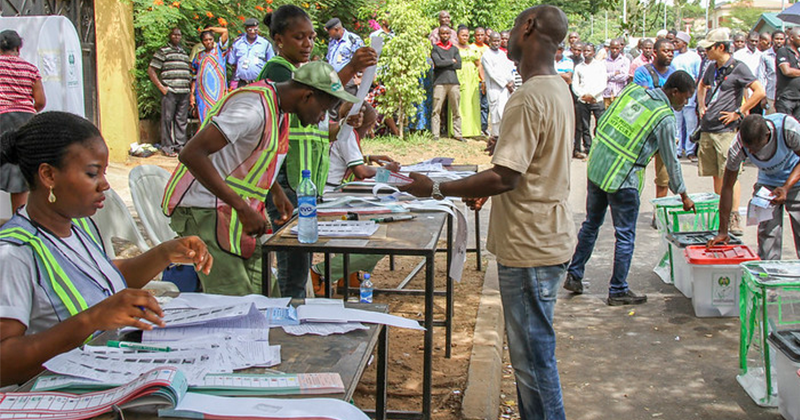
Youth engagement in governance goes beyond politics or election seasons. It involves active involvement in shaping, monitoring, and improving government decisions. Whether through advocacy, innovation, or direct leadership, the youth can influence how Nigeria is governed.
Here are some major forms of participation:
This includes registering to vote, joining political parties, contesting elections, and participating in policy discussions.
Young Nigerians must see politics not as a dirty game but as a platform for transformation. When good people avoid politics, corrupt people dominate it.
Many young Nigerians have already taken the bold step of running for office at local and state levels. Some have won council seats or served as advisers, proving that change is possible when youth engage seriously.
Civic participation is about demanding accountability without necessarily being part of a political party. Youth-led movements like #EndSARS, BudgIT, FollowTheMoney, and Enough is Enough Nigeria (EiE) have shown how collective civic pressure can force governments to act.
Through petitions, peaceful protests, and policy campaigns, young people have drawn attention to corruption in public projects, misuse of funds, and human rights abuses. These actions reflect the moral conscience of the nation.
In today’s digital age, youth can use technology as a weapon against corruption. Apps, open data platforms, and digital dashboards can track government budgets, contracts, and project completion.
For example:
BudgIT uses data visualization to help citizens understand and monitor how public funds are spent.
Tracka enables communities to report incomplete or abandoned government projects.
Ushahidi, originally from Kenya, shows how tech tools can expose corruption and improve transparency.
Nigerian youths skilled in tech and social media can drive similar innovations, turning digital literacy into civic power.
Participation in governance doesn’t always have to be political or online. Youth can join or create community-based organizations that promote education, environmental protection, and rural development. These local actions strengthen civic culture and reduce corruption by promoting transparency at the grassroots.
Many young Nigerians underestimate their ability to influence public policy. Joining youth-focused policy think tanks or NGOs helps shape national debates on corruption, employment, and education.
When young voices are included in policy discussions, the government begins to reflect the values and needs of the majority population.
Despite the enthusiasm and population advantage, young Nigerians face numerous obstacles that limit their participation in governance. Understanding these barriers is the first step toward overcoming them.
Poverty and unemployment remain the biggest barriers. Many young Nigerians struggle to meet daily needs, making political participation seem like a luxury. Corrupt politicians exploit this vulnerability, using financial incentives to buy votes or suppress dissent.
Even though the Not Too Young to Run Act lowered age limits for candidates, the political environment remains hostile. High nomination fees, lack of internal democracy in parties, and the dominance of political godfathers make it difficult for young aspirants to thrive.
A major reason for apathy among youths is ignorance about how governance works. Many don’t understand the power of local councils, state assemblies, or how to hold leaders accountable. Without civic knowledge, participation becomes shallow or ineffective.
Ironically, the very corruption youths are fighting also excludes them. Political patronage rewards loyalty over competence. Many young professionals who want to contribute are sidelined because they refuse to play corrupt games.
In a society where speaking truth to power can attract threats, many youths choose silence. Activists have faced harassment or imprisonment for exposing corruption. This culture of fear discourages engagement.
Years of broken promises have led many young Nigerians to believe that change is impossible. This mindset — “nothing will ever change” — is perhaps the most dangerous barrier. Corruption thrives not just because of bad people, but because good people give up.
Corruption directly undermines youth empowerment in several ways. It steals opportunities, kills creativity, and diminishes trust in institutions.
When education budgets are mismanaged, schools lack facilities and qualified teachers. Examination malpractices and bribery in admissions destroy meritocracy. The result is a generation of graduates without the skills or confidence to compete globally.
Nepotism in recruitment means jobs often go to the “connected,” not the qualified. This discourages hard work and fuels migration, cybercrime, and frustration among youths.
Young entrepreneurs struggle with poor power supply, bad roads, and lack of funding. Corrupt practices in public procurement mean that resources meant for youth support programs are diverted.
Corruption doesn’t just affect systems — it affects minds. When youths see corrupt individuals celebrated as “successful,” they begin to internalize the wrong values. This moral corruption is harder to fight than financial theft.
Despite these challenges, youth-led movements around the world show that corruption can be challenged when young people take action.
The 2020 #EndSARS protests were a defining moment in Nigeria’s civic history. Though it began as a campaign against police brutality, it evolved into a broader cry against corruption, bad governance, and impunity.
Young Nigerians organized, funded, and communicated through digital platforms — without political party influence. The movement proved that the youth can mobilize effectively, demand accountability, and command global attention.
These youth-led organizations have changed how Nigerians engage with public budgets. Through technology, they’ve forced lawmakers and ministries to publish information that was once hidden. Transparency is the first step toward fighting corruption.
In Kenya, youth-driven platforms like Mzalendo monitor parliament activities. In Indonesia, digital activism led to the creation of strong anti-corruption commissions. Ghana’s youth-led civil movements have pushed for reforms in the public procurement system.
These examples show that when youth unite across class, religion, or region, corruption becomes weaker.
Technology is one of the greatest tools for youth engagement today. Unlike past generations, young Nigerians have the power of instant communication, data sharing, and online mobilization.
Twitter (X), Facebook, Instagram, and TikTok are not just entertainment platforms — they are instruments of social change. With hashtags, storytelling, and investigative content, youth can expose corrupt practices and demand justice.
For example, viral posts have led to government reversals of corrupt decisions or investigations of misconduct. The public eye, when focused through technology, creates pressure that traditional media once lacked.
Apps and websites that allow public tracking of government projects increase accountability. Citizens can now see which contracts are awarded, to whom, and for what amount. This kind of openness discourages embezzlement.
Young journalists and content creators can play a vital role by using investigative reporting to uncover corruption. With fact-checking tools and mobile-friendly content, they can educate and inspire civic participation.
Emerging technologies like blockchain could revolutionize how government funds are tracked. By making transactions transparent and traceable, they can help prevent financial corruption in public offices.
Fighting corruption doesn’t always mean joining a protest or running for office. Every young Nigerian can take realistic steps to stay engaged:
Understanding how government works is the foundation of engagement. Learn about the constitution, budget process, and your civic rights. Follow credible news sources and fact-check information before sharing.
Elections are the most direct tool of accountability. Registering to vote is not enough — vote based on character, not tribe or money. Encourage others to do the same.
Groups like YIAGA Africa, BudgIT, or EiE Nigeria need volunteers, researchers, and digital experts. Working with them amplifies your voice.
Integrity begins with small acts — rejecting bribes, being punctual, and refusing to cheat. If youths model honesty, they create cultural resistance to corruption.
Ask questions, attend town hall meetings, and use social media to hold representatives accountable. Constructive engagement is more effective than destructive criticism.
Participate in citizen monitoring platforms or create local transparency clubs in schools and communities.
Join forces with other young people from different backgrounds. United voices are harder to silence than isolated ones.
The fight against corruption cannot rely solely on the youth. Other sectors must also play their roles:
Government should strengthen anti-corruption agencies, enforce transparency laws, and support whistleblowers.
Civil society organizations must continue educating citizens and promoting accountability.
The private sector should adopt ethical practices and stop fueling corruption through kickbacks or political funding.
Partnership among all these groups creates a comprehensive system where integrity becomes a national culture.
Corruption in Nigeria may seem overwhelming, but history shows that no system of deceit can last forever when the people stand united. The youth are the heartbeat of the nation — innovative, passionate, and resilient.
By staying engaged in governance, Nigerian youths can transform frustration into progress, digital energy into policy influence, and anger into constructive activism.
This fight will not end overnight, but each act of courage — every honest vote, every whistleblower, every reform-minded young leader — pushes Nigeria closer to a just and transparent future.