


Home
Market
Groups
Pages
See More
Solution Hub Groups Pages Market Events Blogs Funding Offers Jobs Courses Movies Games Merits
Our Information Center
 Terms and Conditions
 Legal & Business Law Agreement
 Child Safety & Policy
 App Installation Guide
 User Guide Page
 Investors & Partnership agreement
 Flowisetech ambassador policy
 About Us
 Flowisetech Earning Guide
 Terms of Use
 Privacy Policy
 Help
Help
 FAQs
FAQs
 Community Guidelines
 Our Purpose
 Withdrawal Terms
 Verification Terms
 Community Policy
-
-
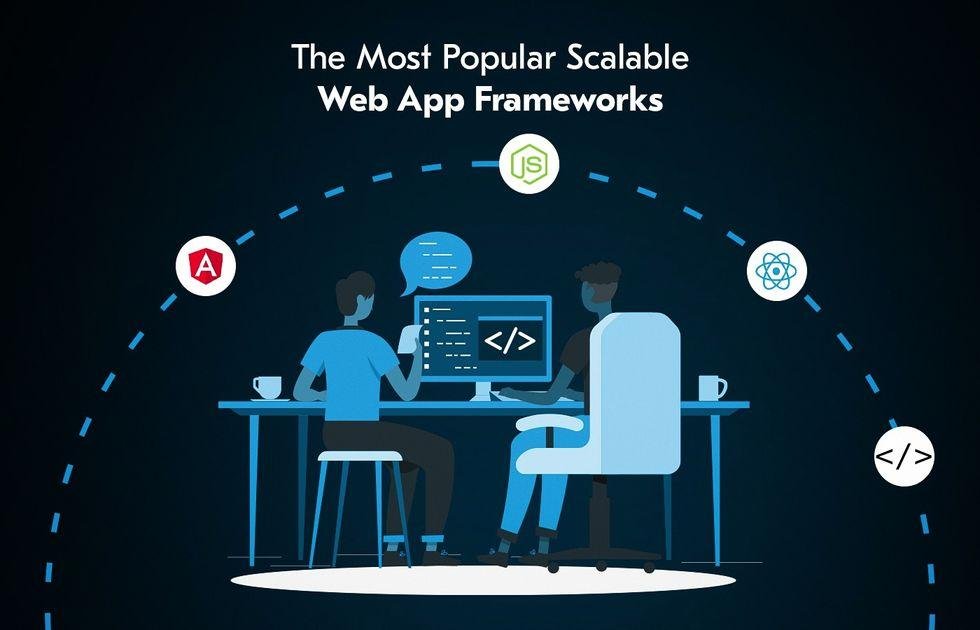
🚀 How We Designed a Scalable Web Platform from Scratch
Building a web platform from the ground up isn’t just about writing code — it’s about creating a foundation that can grow, adapt, and serve thousands (or millions) of users without breaking.
Here’s a quick look at how we approached it:
✅ Started with a clear vision & user needs
✅ Chose a flexible, modern tech stack
✅ Designed a modular and microservice-friendly architecture
✅ Built with performance, security, and scalability in mind
✅ Tested, optimized, and improved continuously
The result? A fast, reliable, and scalable platform ready for growth and innovation.
If you’re passionate about building powerful digital solutions or curious about the process behind scalable systems, this journey is for you.
💡 Follow us for more behind-the-scenes insights into building tech the right way.
#WebDevelopment #ScalableSystems #TechJourney #SoftwareEngineering #StartupTech #Flowisetech🚀 How We Designed a Scalable Web Platform from Scratch Building a web platform from the ground up isn’t just about writing code — it’s about creating a foundation that can grow, adapt, and serve thousands (or millions) of users without breaking. Here’s a quick look at how we approached it: ✅ Started with a clear vision & user needs ✅ Chose a flexible, modern tech stack ✅ Designed a modular and microservice-friendly architecture ✅ Built with performance, security, and scalability in mind ✅ Tested, optimized, and improved continuously The result? A fast, reliable, and scalable platform ready for growth and innovation. If you’re passionate about building powerful digital solutions or curious about the process behind scalable systems, this journey is for you. 💡 Follow us for more behind-the-scenes insights into building tech the right way. #WebDevelopment #ScalableSystems #TechJourney #SoftwareEngineering #StartupTech #Flowisetech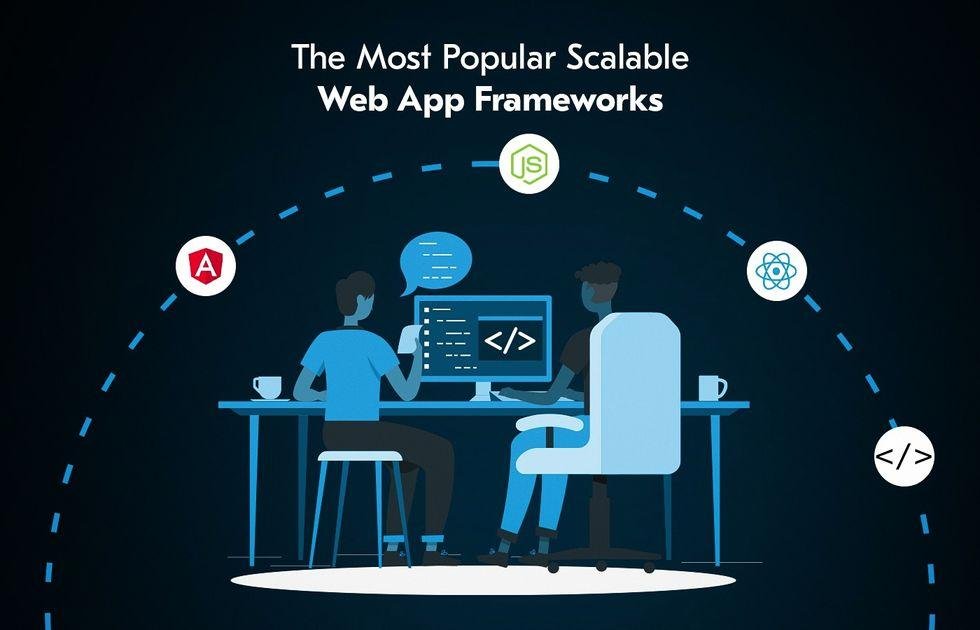 0 Comments ·0 Shares ·1K Views ·0 Reviews
 -
How Technology Is Breaking Traditional Barriers for Youth in Africa
Technology is redefining what’s possible for young people across Africa—especially in Nigeria.
💡 Youth no longer need:
❌ Expensive degrees to learn valuable skills
❌ Physical offices to start businesses
❌ Local jobs to earn global income
With access to the internet, young Africans are:
✅ Learning in-demand digital skills online
✅ Working remotely for global companies
✅ Launching businesses with minimal capital
✅ Gaining financial inclusion through fintech
✅ Building influence through social media
Technology isn’t just a tool—it’s a bridge to opportunity.
The real challenge now is digital access, skill development, and mindset.
Africa’s youth are not the future—they are the present.
Read more...
https://flowisetech.com/blogs/1194/How-Technology-Is-Breaking-Traditional-Barriers-for-Youth-in-Africa
#YouthEmpowerment #TechnologyInAfrica #NigerianYouth #DigitalSkills #FutureOfWork #EntrepreneurshipHow Technology Is Breaking Traditional Barriers for Youth in Africa Technology is redefining what’s possible for young people across Africa—especially in Nigeria. 💡 Youth no longer need: ❌ Expensive degrees to learn valuable skills ❌ Physical offices to start businesses ❌ Local jobs to earn global income With access to the internet, young Africans are: ✅ Learning in-demand digital skills online ✅ Working remotely for global companies ✅ Launching businesses with minimal capital ✅ Gaining financial inclusion through fintech ✅ Building influence through social media Technology isn’t just a tool—it’s a bridge to opportunity. The real challenge now is digital access, skill development, and mindset. Africa’s youth are not the future—they are the present. Read more... https://flowisetech.com/blogs/1194/How-Technology-Is-Breaking-Traditional-Barriers-for-Youth-in-Africa #YouthEmpowerment #TechnologyInAfrica #NigerianYouth #DigitalSkills #FutureOfWork #Entrepreneurship flowisetech.comHow Technology Is Breaking Traditional Barriers for Youth in Africa...Technology is transforming the future of young people across Africa, especially in Nigeria. For decades, youth were limited by challenges such as...0 Comments ·0 Shares ·2K Views ·0 Reviews
 -
Why Gen Z Is the Most Digitally Powerful Generation Ever 🚀
Gen Z didn’t just grow up with technology — they mastered it.
This is the first generation to be mobile-first, internet-native, and algorithm-aware. From TikTok trends to tech startups, Gen Z knows how to turn screens into skills and ideas into income.
Here’s what makes Gen Z digitally unstoppable 👇
🔹 They learn faster using YouTube, AI tools, and online communities
🔹 They create content, not just consume it
🔹 They build personal brands before college degrees
🔹 They monetize skills globally — from Africa to the world
🔹 They use tech to challenge systems, not wait for permission
For Gen Z, the phone isn’t a distraction — it’s a tool, a classroom, and a career.
The future of work, creativity, and innovation is already in their hands.
And they’re just getting started. 💡🌍
#GenZ #DigitalGeneration #FutureOfWork #TechSavvy #YouthInTech #ContentCreators #DigitalSkills #AfricaRisingWhy Gen Z Is the Most Digitally Powerful Generation Ever 🚀 Gen Z didn’t just grow up with technology — they mastered it. This is the first generation to be mobile-first, internet-native, and algorithm-aware. From TikTok trends to tech startups, Gen Z knows how to turn screens into skills and ideas into income. Here’s what makes Gen Z digitally unstoppable 👇 🔹 They learn faster using YouTube, AI tools, and online communities 🔹 They create content, not just consume it 🔹 They build personal brands before college degrees 🔹 They monetize skills globally — from Africa to the world 🔹 They use tech to challenge systems, not wait for permission For Gen Z, the phone isn’t a distraction — it’s a tool, a classroom, and a career. The future of work, creativity, and innovation is already in their hands. And they’re just getting started. 💡🌍 #GenZ #DigitalGeneration #FutureOfWork #TechSavvy #YouthInTech #ContentCreators #DigitalSkills #AfricaRising0 Comments ·0 Shares ·2K Views ·0 Reviews -
From Local Problems to Global Solutions 🌍🚀
Big ideas don’t always start big — they start local.
Every community challenge is an opportunity waiting for innovation. With technology, creativity, and bold thinking, local problems can become solutions the world needs.
Today’s youth are proving that:
🔹 A small idea can scale globally
🔹 Local pain points inspire powerful innovations
🔹 Digital tools remove borders and limits
🔹 Impact starts at home but travels worldwide
Whether it’s solving education gaps, creating fintech tools, or building platforms for communities, the next global solution might be born on your street.
Think local. Build smart. Scale global.
#Innovation #GlobalImpact #LocalToGlobal #TechForGood #YouthInnovation #AfricanSolutions #StartupMindsetFrom Local Problems to Global Solutions 🌍🚀 Big ideas don’t always start big — they start local. Every community challenge is an opportunity waiting for innovation. With technology, creativity, and bold thinking, local problems can become solutions the world needs. Today’s youth are proving that: 🔹 A small idea can scale globally 🔹 Local pain points inspire powerful innovations 🔹 Digital tools remove borders and limits 🔹 Impact starts at home but travels worldwide Whether it’s solving education gaps, creating fintech tools, or building platforms for communities, the next global solution might be born on your street. Think local. Build smart. Scale global. #Innovation #GlobalImpact #LocalToGlobal #TechForGood #YouthInnovation #AfricanSolutions #StartupMindset0 Comments ·0 Shares ·1K Views ·0 Reviews -
🎓 Is School Still Enough in 2026?
Short answer: No. But it still matters.
School gives you grades.
The world rewards skills.
📱 In 2026:
People earn online before graduation
Skills beat certificates in many jobs
Your phone can be an income tool
Side hustles are no longer “distractions”
If all you have is a degree and no skill, the struggle is real.
If you combine school + skills, you’re ahead of 90% of people.
💡 Learn something practical.
💻 Build while you’re still in school.
🌍 The internet doesn’t care about your GPA—only your value.
School is the base.
Skills are the upgrade.
Choose both.🎓 Is School Still Enough in 2026? Short answer: No. But it still matters. School gives you grades. The world rewards skills. 📱 In 2026: People earn online before graduation Skills beat certificates in many jobs Your phone can be an income tool Side hustles are no longer “distractions” If all you have is a degree and no skill, the struggle is real. If you combine school + skills, you’re ahead of 90% of people. 💡 Learn something practical. 💻 Build while you’re still in school. 🌍 The internet doesn’t care about your GPA—only your value. School is the base. Skills are the upgrade. Choose both.0 Comments ·0 Shares ·180 Views ·0 Reviews -